
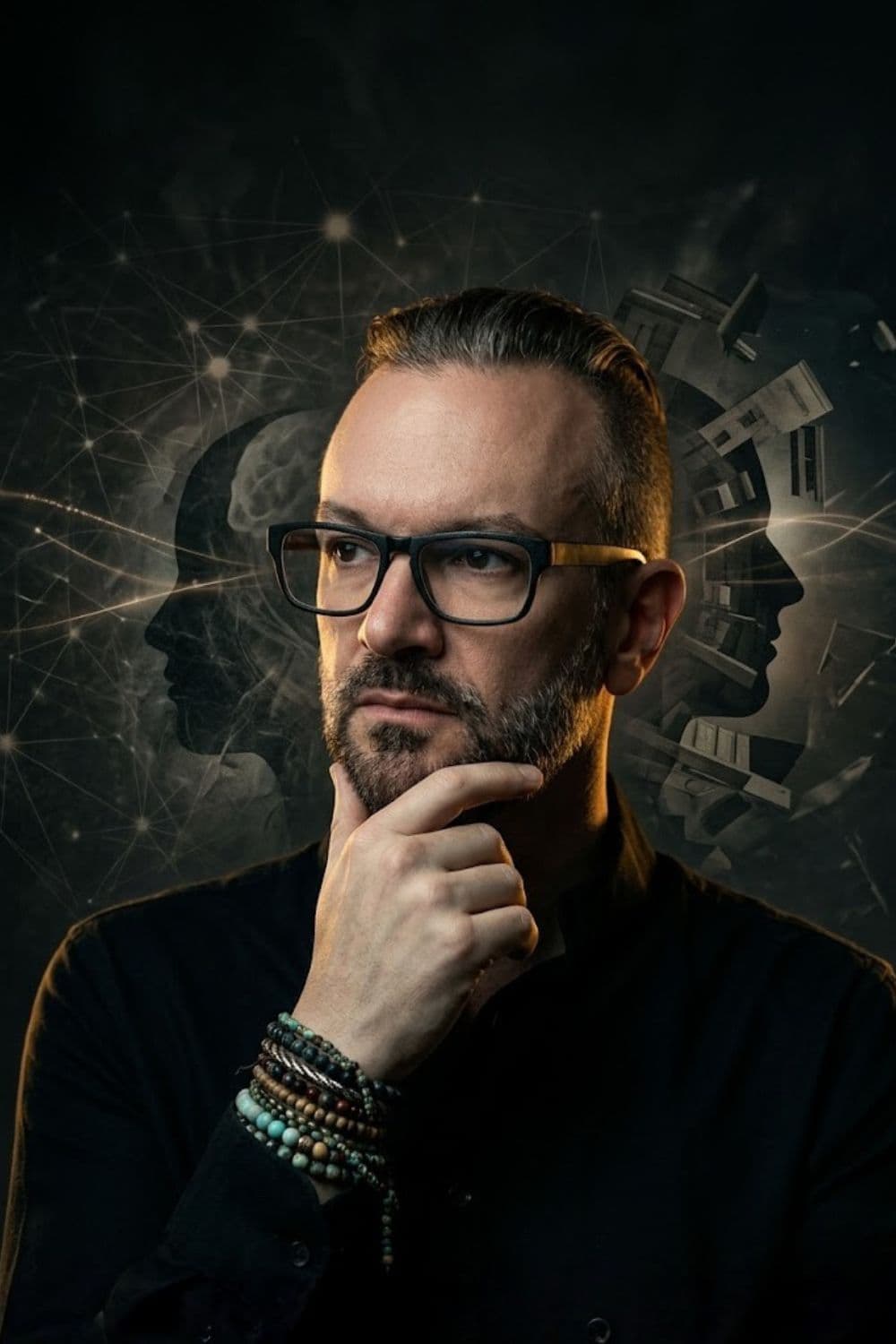
David McRaney
Bombarding people with facts and logic rarely changes deeply held beliefs. Lasting persuasion usually starts by helping people examine how they formed their certainty.
Humans prioritize group belonging over factual accuracy, so people may cling to false beliefs if changing them threatens their social identity or standing.
Certainty is an emotional state as much as a logical conclusion, and our brains often mistake subjective interpretations for objective facts.
Instead of fairly evaluating new evidence, the brain tends to reinterpret contradictory information to fit existing beliefs unless doubt becomes strong enough to force a deeper update.