
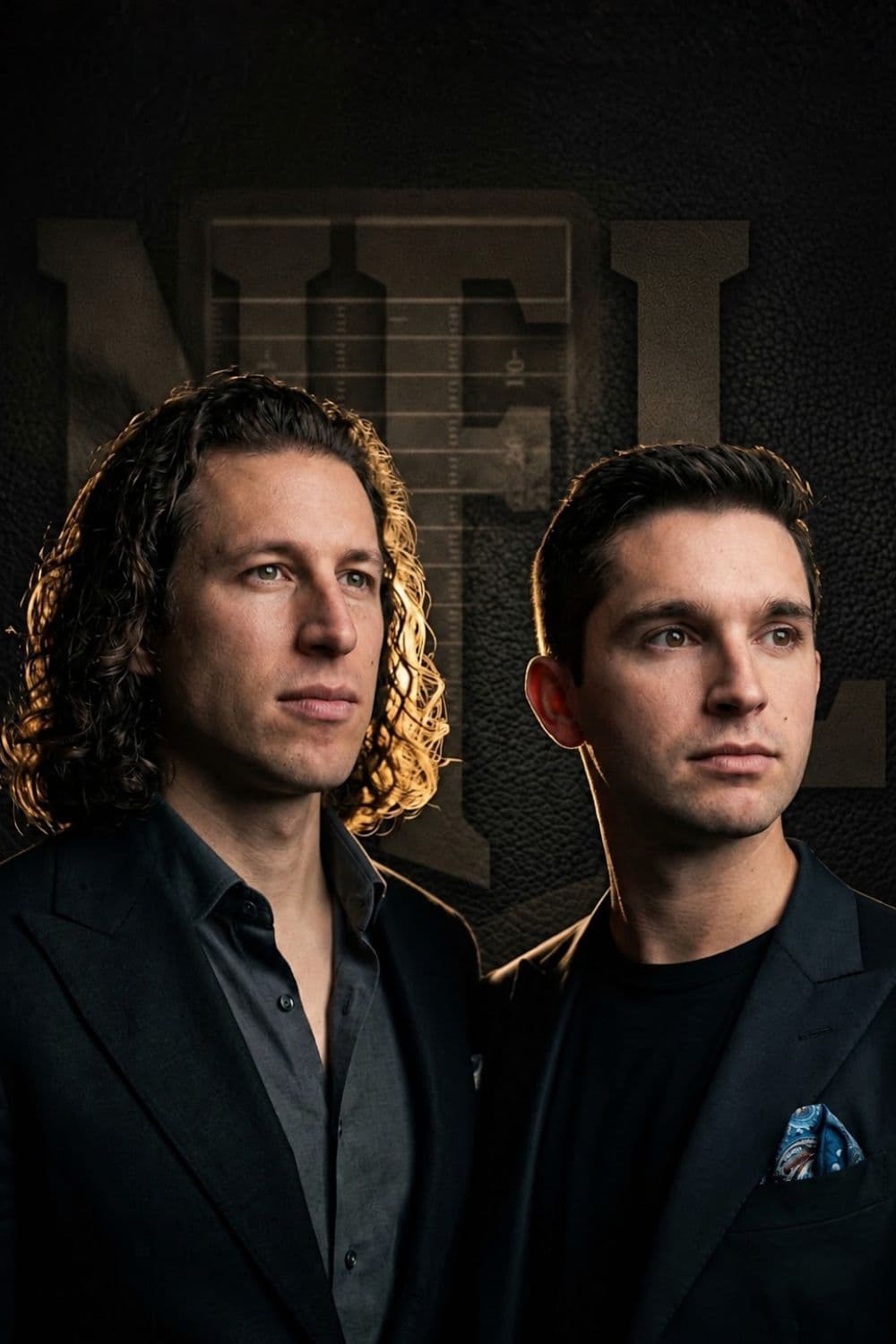
Ben Gilbert and David Rosenthal
A small-market team needs a real chance to beat a rich rival, or the league's drama weakens. Sharing revenue made that uncertainty a commercial asset.
The league-first philosophy enforces competitive parity through mechanisms like the reverse-order amateur draft and revenue sharing to ensure any team can win on any given Sunday.
Securing a congressional antitrust exemption through the Sports Broadcasting Act of 1961 allowed the NFL to negotiate centralized, national television contracts on behalf of all franchises rather than selling individual local rights.
Rather than treating television as an enemy to stadium attendance, the NFL leveraged broadcasts to create a powerful loop where mass media exposure drives fan interest, merchandise, and exponential revenue growth.