
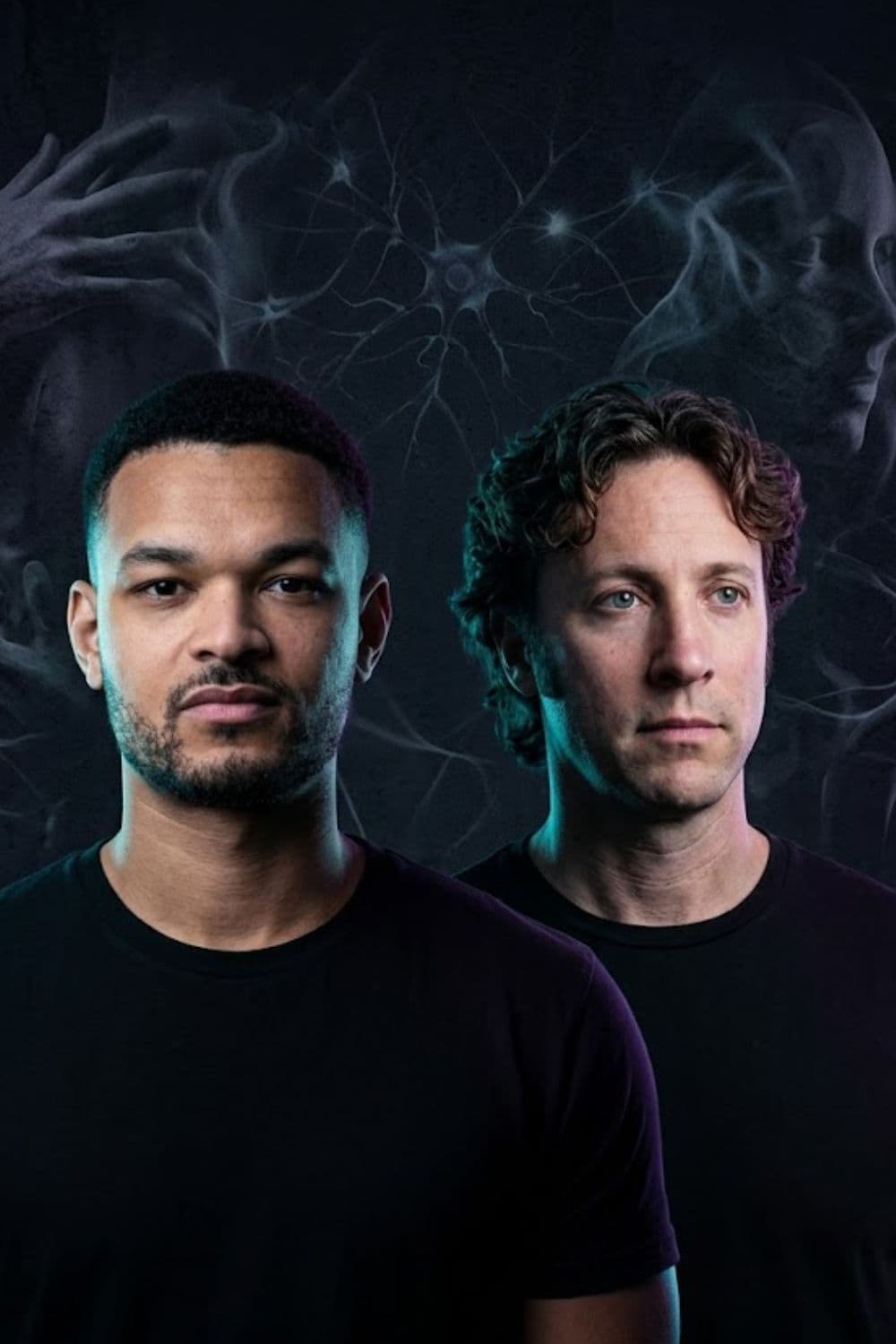
Steven Bartlett with Dr. David Eagleman
Your brain is not a static organ but an adaptable terrain that you can consciously rewire to change your habits, learn new skills, and protect your cognitive health as you age.
Eagleman proposes that dreaming keeps the visual cortex active during sleep, helping defend its territory from other senses.
Your brain functions as a parliament of competing neural networks, making constraint strategies like the Ulysses contract useful for locking your future self into positive behaviors.
Actively engaging in novel and socially demanding tasks can build cognitive reserve through new neural pathways, which may help protect against mental decline associated with aging.