
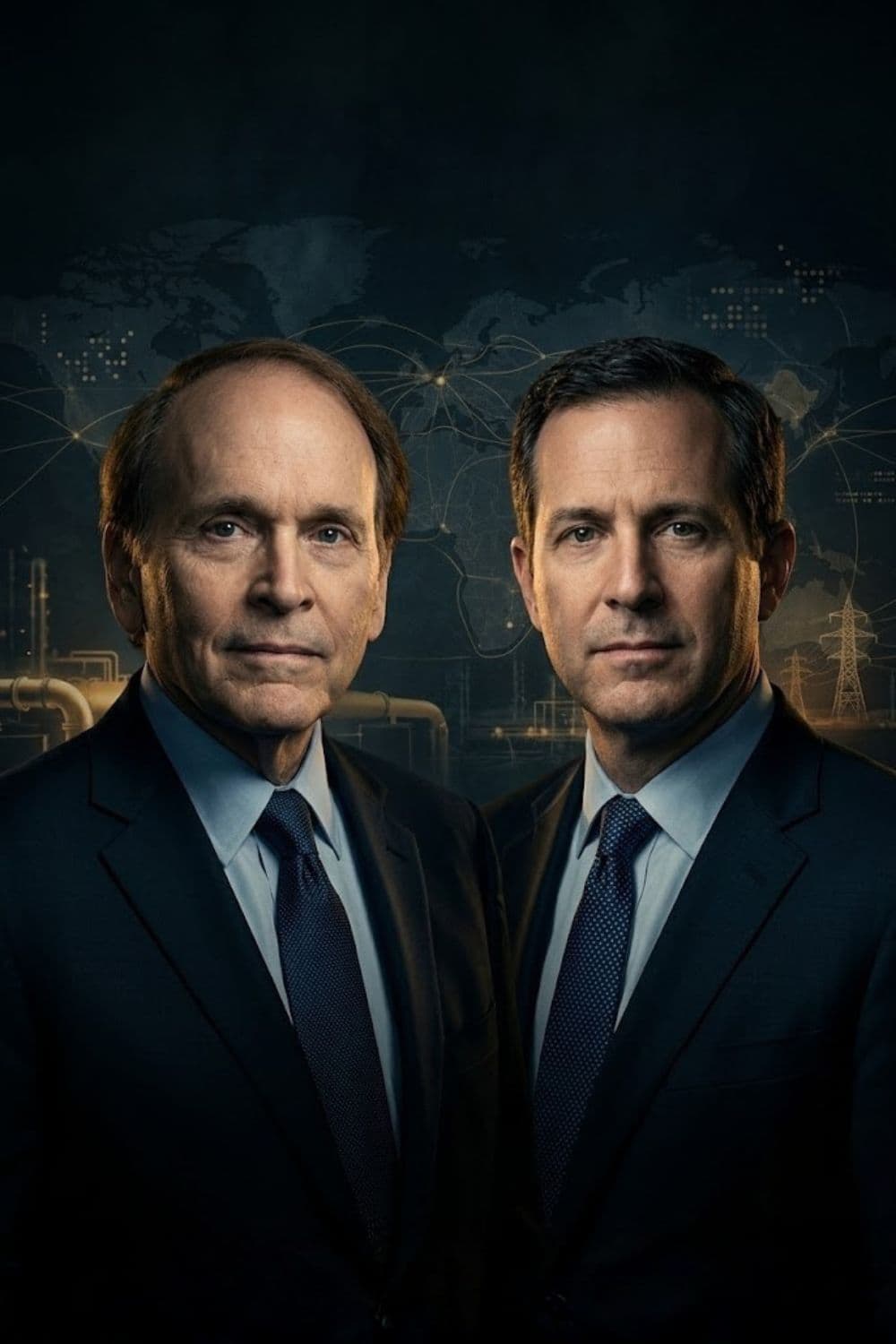
Daniel Yergin and Joseph Stanislaw
The late twentieth century witnessed a broad global shift as free markets displaced much of the government's direct control over national economies, reshaping international trade, politics, and society.
Following the Great Depression and World War II, the prevailing Keynesian consensus advocated for heavy state intervention and ownership of critical industries to ensure economic stability.
Bureaucratic inefficiencies, chronic stagflation, and political pressures eventually exposed the limitations of state-run economies, from the Soviet command system to India's heavily regulated Permit Raj.
Intellectuals like Friedrich Hayek and Milton Friedman provided the theoretical framework for a market resurgence, arguing that free markets process information better than central planners and protect individual liberties.