
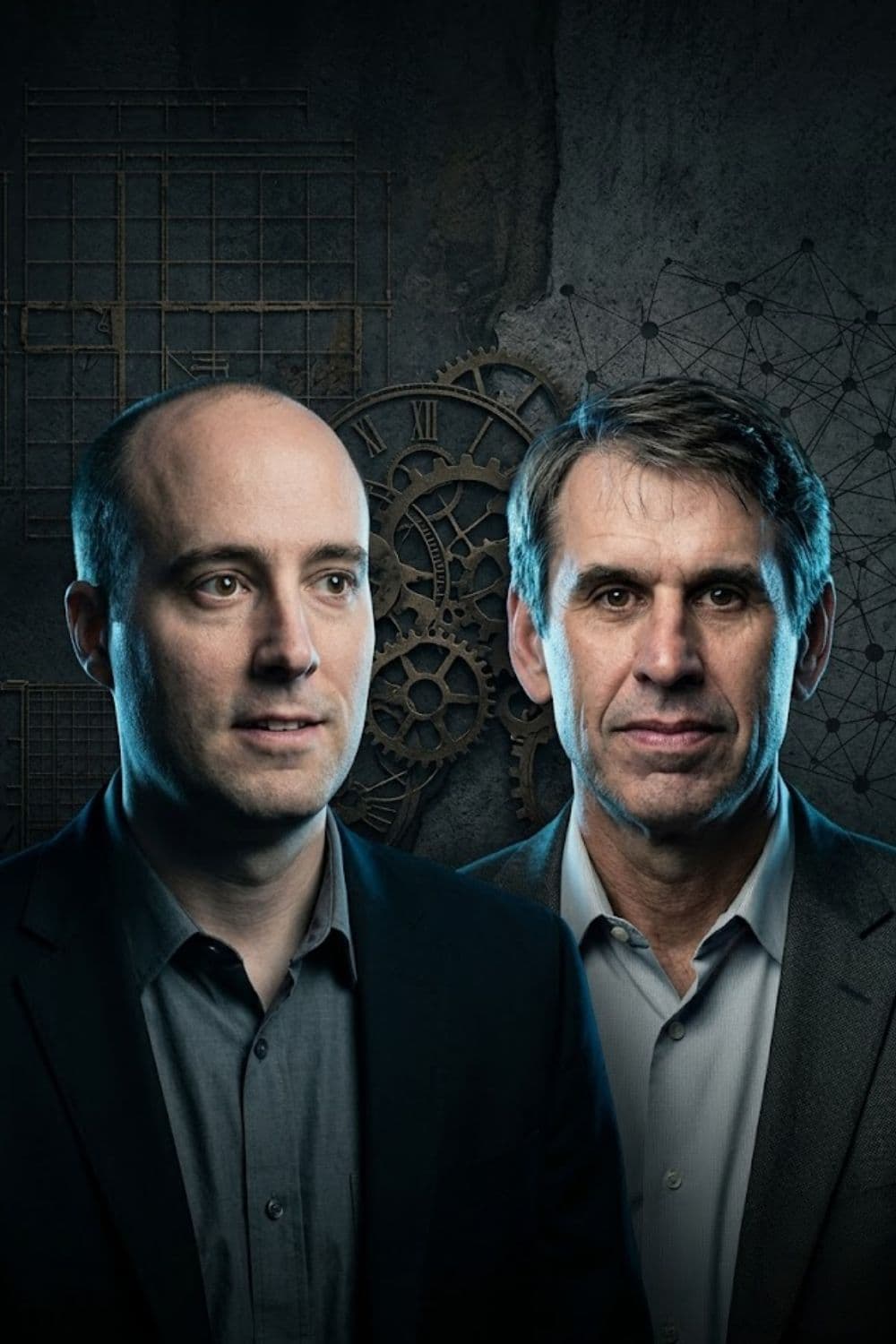
Shane Parrish with Bill Gurley
An industry's history and its newest experiments tell different parts of the same story. Combining them with systems thinking helps reveal opportunities and consequences that a single performance metric can miss.
Multivariable and non-linear complex systems often exhibit delayed knock-on effects, meaning that optimizing a single short-term metric can lead to unseen long-term failures.
Deeply studying the history and pioneers of your specific field creates a remarkable contrast in professional settings, demonstrating authentic passion and providing a robust conceptual foundation that others lack.
Navigating technological disruptions like artificial intelligence or mobile waves requires obsessive learning on the bleeding edge to remain in the top percentile of understanding as the market or technology evolves.