
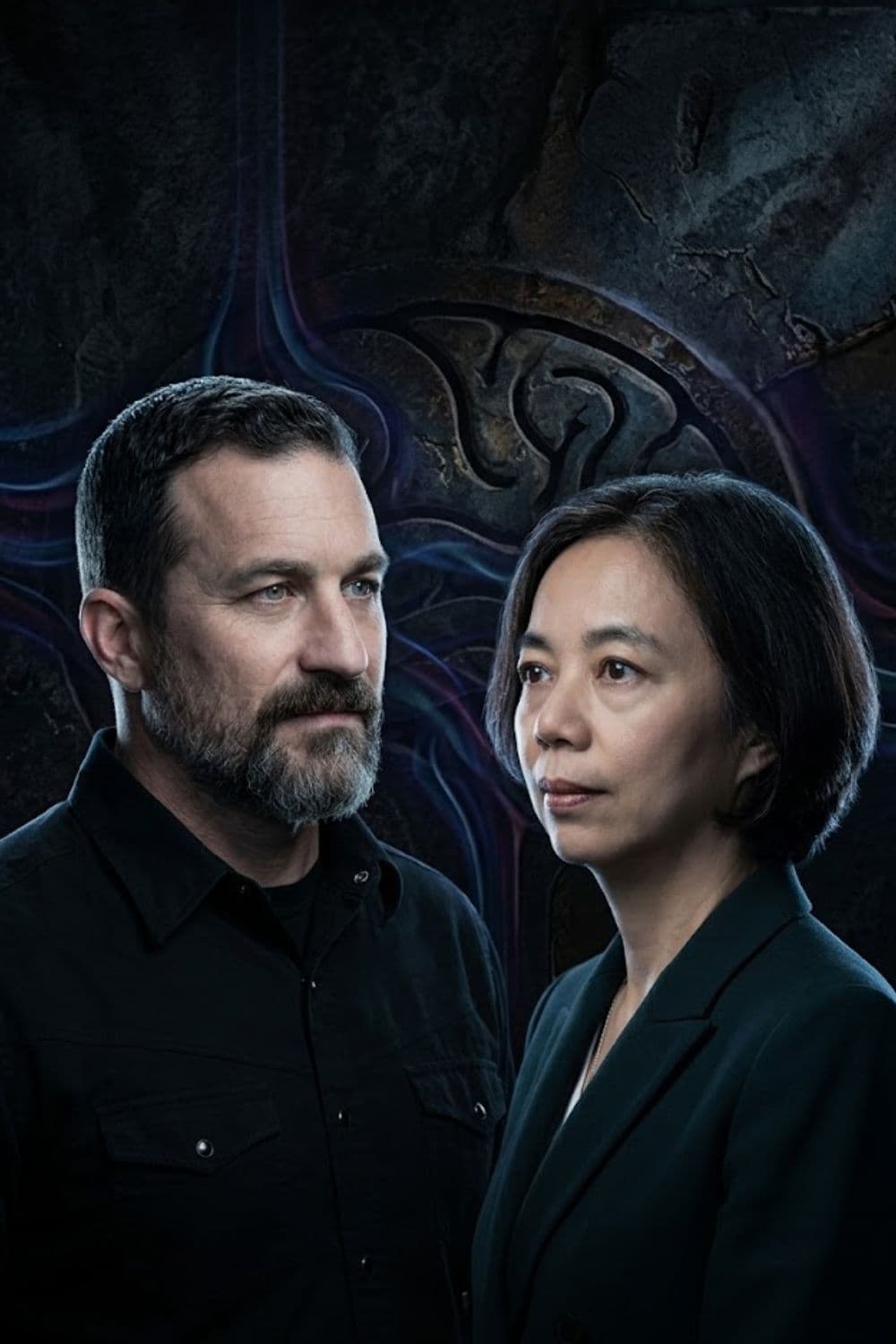
Andrew Huberman with Dr. Fei-Fei Li
A child may recognize a cat’s tail after seeing only a few cats. Image-recognition systems learn differently, raising questions about how AI can support human learning and judgment.
Vision serves as an evolutionary cornerstone of both animal and artificial intelligence, driving the Cambrian explosion in biology and inspiring the hierarchical structure of modern neural networks.
The historical breakthrough of modern artificial intelligence occurred through the convergence of three key pillars, neural network algorithms, graphics processing unit computing, and internet-scale datasets like ImageNet.
While artificial intelligence depends on massive statistical training data to recognize complex visual and textual patterns, the human brain remains unique in its ability to learn abstract concepts from extremely limited examples.