
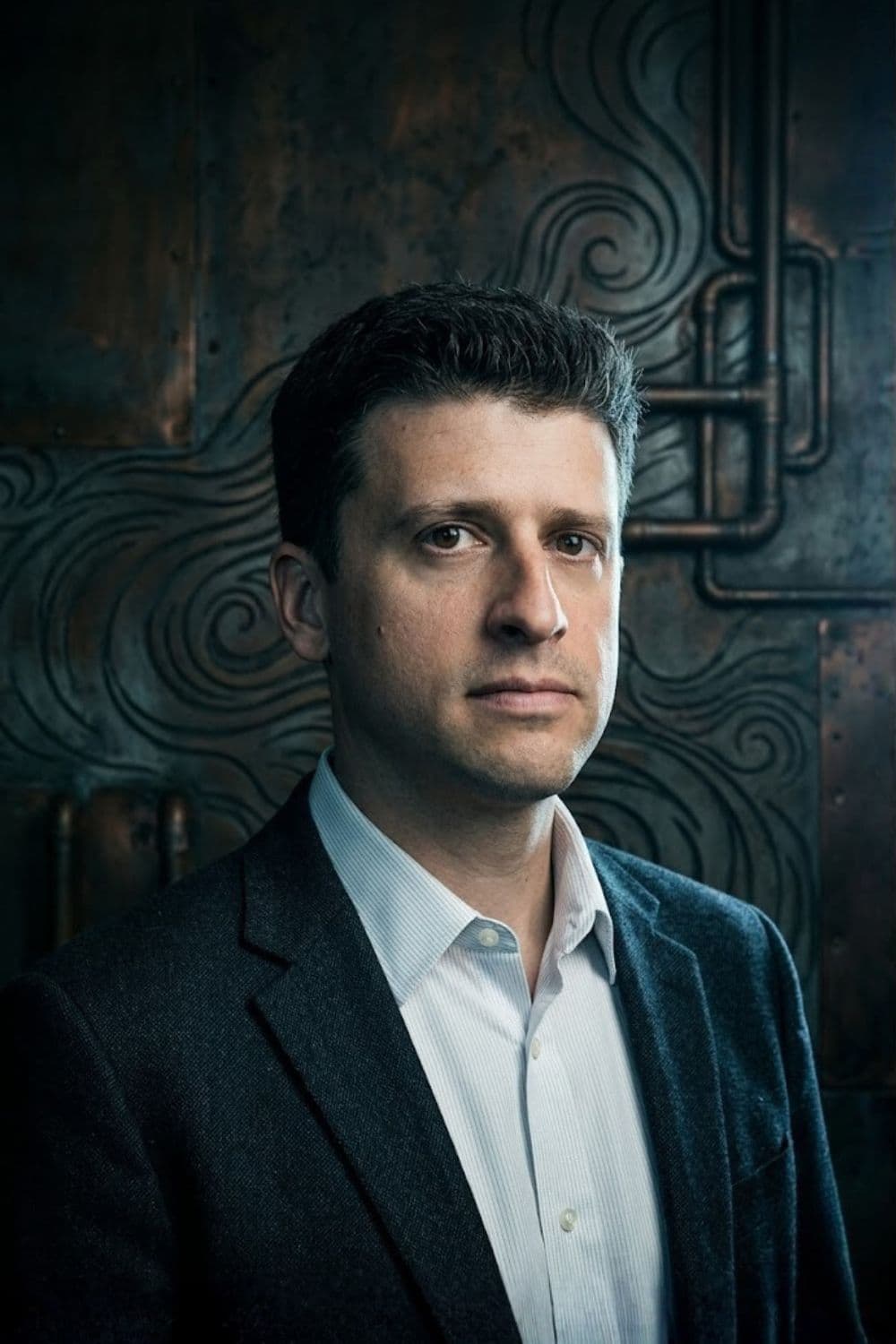
Dan Heath
Visible rescues draw praise; quiet prevention is harder to see. Upstream work changes the conditions that produce problems, helping prevent them or reduce their harm.
Three cognitive traps block upstream interventions: problem blindness that normalizes dysfunction, lack of ownership that diffuses responsibility, and tunneling that prioritizes urgent crises over systemic fixes.
True upstream problem-solving requires systemic redesign rather than a reliance on individual heroism or situational judgment.
Leaders must immerse themselves in the problem to identify leverage points where a small structural change yields disproportionately massive positive outcomes.