
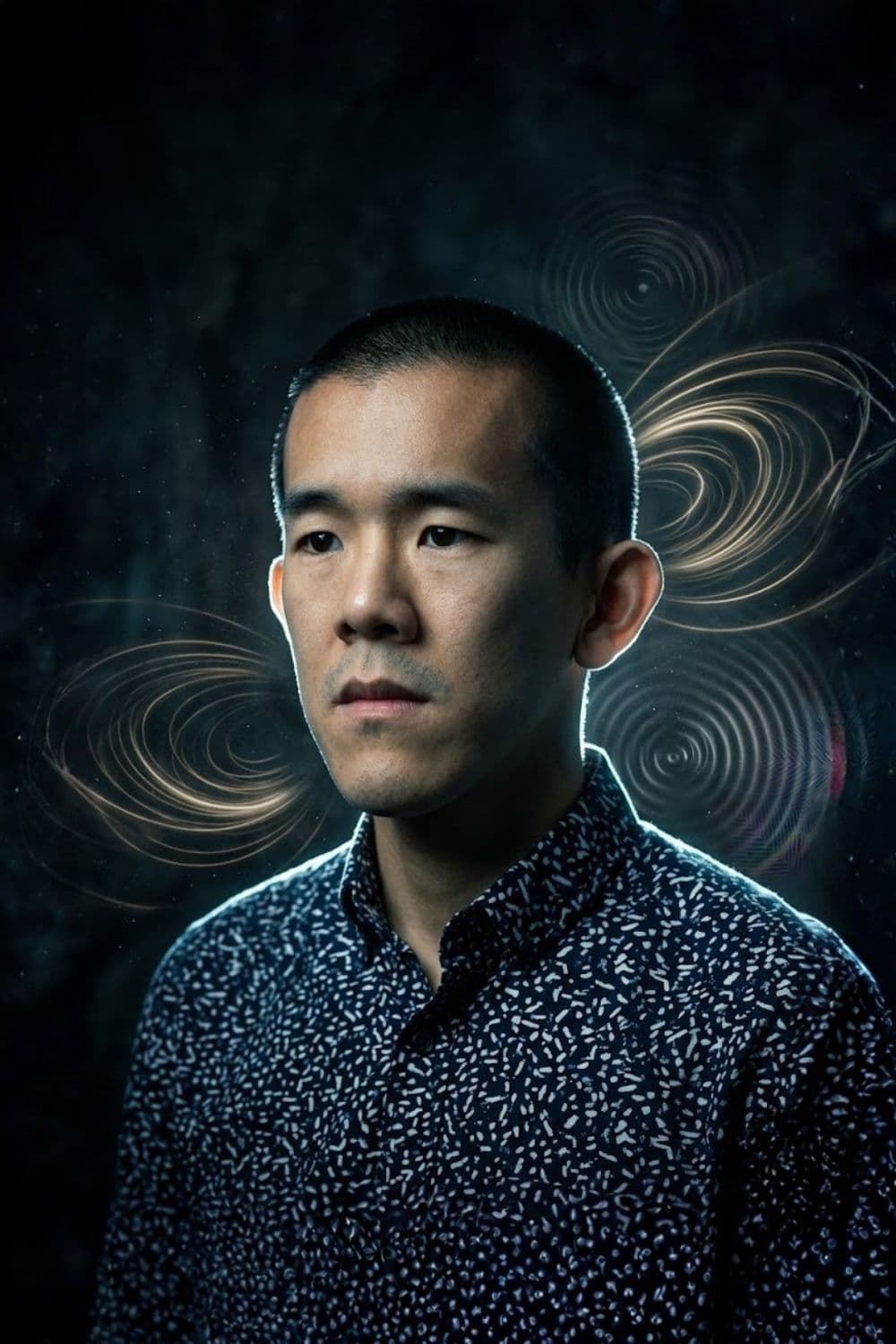
Ed Yong
Every animal inhabits a unique perceptual world shaped by its specific sensory capabilities. This biological reality dictates that no two species experience the exact same environment. While humans interpret their surroundings through a specific set of sensory inputs, organisms like ticks or songbirds extract entirely different information from the same physical space to ensure their survival.
Humans possess trichromatic vision, allowing a broad perception of color compared to dichromatic animals like dogs. Other creatures possess significantly more color receptors but do not synthesize these colors into complex images. Animals like the mantis shrimp use their vast array of visual receptors as rapid, specialized triggers for detecting motion and light direction rather than comparing hues to build a rich visual landscape.
Sensory abilities actively shape evolutionary trajectories. The giant squid evolved massive eyes specifically to detect the faint bioluminescence triggered by approaching sperm whales in the deep ocean. Floral colors evolved specifically to attract the preexisting visual systems of bees, demonstrating that the sensory preferences of insects directly engineered the botanical aesthetics of the planet.
Having eyes does not equate to seeing cohesive images. Scallops possess up to two hundred eyes lining their shells, but their rudimentary brains lack the capacity to process visual scenes. These eyes function instead as independent motion sensors that trigger an automatic defensive or feeding response without ever generating a mental picture of the approaching object.
Bats and dolphins emit sound waves to construct detailed spatial maps of their surroundings. This acoustic imaging allows dolphins to recognize shapes underwater and permits bats to intercept flying insects midair. Human echolocators employ a similar technique using tongue clicks, interpreting the returning sound waves to detect the density and texture of nearby objects rather than crisp visual edges.
Ants rely almost entirely on chemical pheromones to organize their colonies, identify nestmates, and locate food. This heavy biological reliance on smell creates a severe vulnerability to olfactory deception. Certain caterpillars secrete scents perfectly mimicking ant larvae, tricking the worker ants into carrying the foreign species into their nests and protecting them as their own.
The star-nosed mole navigates and hunts in total darkness by pressing its highly sensitive nasal appendages against the soil. This rapid tactile scanning allows the mole to identify and consume prey in a fraction of a second. Above ground, treehoppers send low-frequency vibrations through plant stems, creating a hidden communication network entirely imperceptible to the human ear.
Many animals perceive environmental forces that remain entirely invisible to human biology. Melanophila beetles detect infrared heat from distant forest fires to locate freshly burned wood for laying their eggs. Sharks hunt by sensing the faint bioelectric fields generated by hidden prey, while sea turtles and birds navigate across featureless oceans by reading the magnetic field of the earth.
Human infrastructure floods the natural world with artificial light and sound, severely disrupting the sensory environments of wildlife. Shipping noise interferes with whale communication, and bright nighttime illumination deters nocturnal pollinators. Unlike persistent chemical toxins, sensory pollution ceases immediately when the offending lights are dimmed and engines are slowed, instantly restoring the natural sensory balance.
Jump into the ideas before you finish the whole summary.