
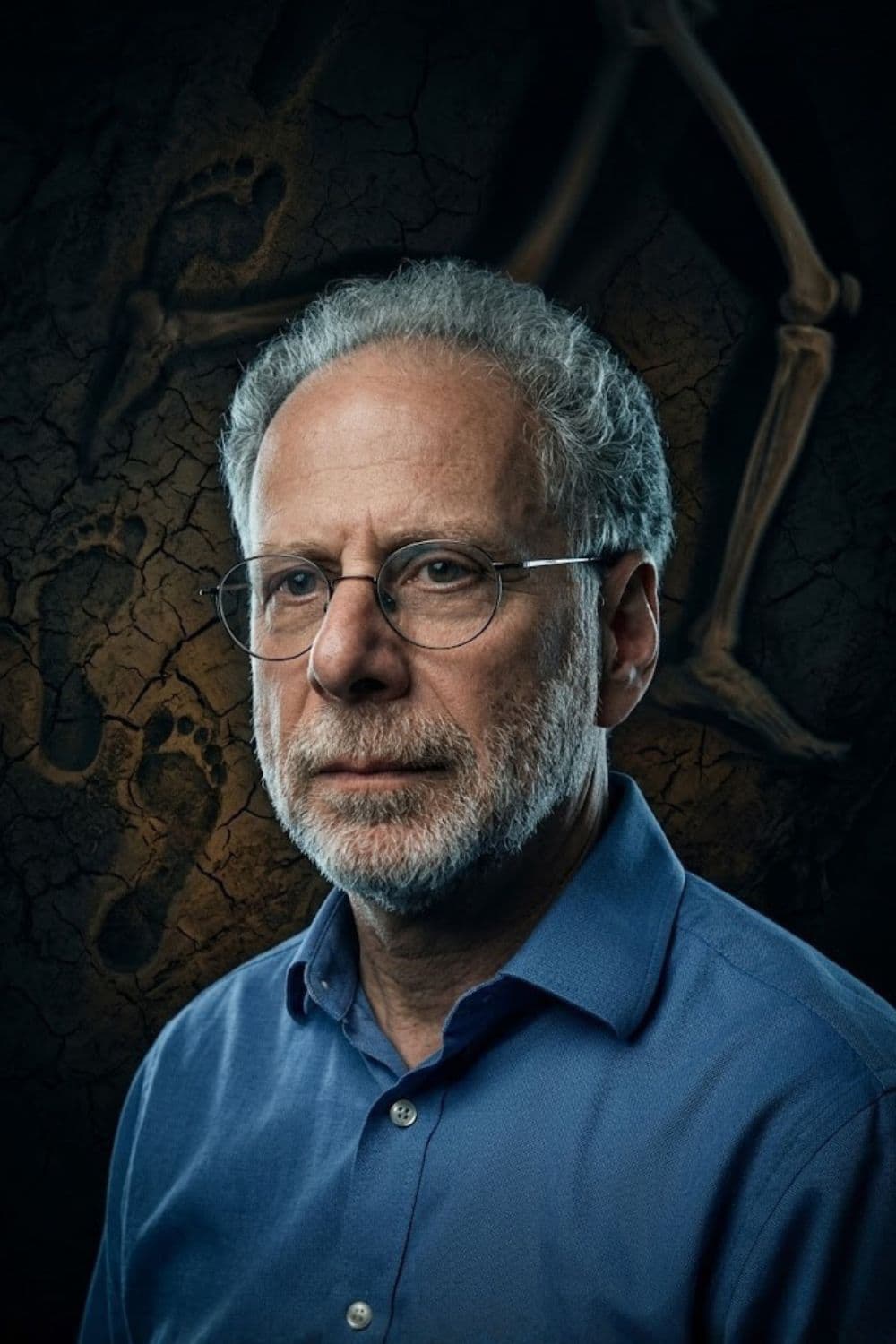
Daniel E. Lieberman
Human beings never evolved to exercise. Throughout human history, physical activity was driven strictly by survival necessities such as hunting, gathering, and farming. Because calories were scarce, human biology optimized for energy conservation. Expending energy on voluntary, nonessential physical activity would have diverted precious caloric resources away from vital functions like reproduction and basic survival. Consequently, the modern reluctance to exercise is not a character flaw or laziness but a deeply ingrained evolutionary instinct to save energy. Today, this instinct clashes with industrialized environments where calories are abundant and physical labor is largely outsourced to machines.
Physical activity exerts intense stress on the body by releasing stress hormones, creating microtears in muscle fibers, and leaking reactive chemicals that can damage DNA. However, this temporary cellular damage triggers a robust cascade of biological repair mechanisms. The body responds by lowering resting heart rates, reducing systemic inflammation, and actively repairing genetic degradation. These maintenance processes consistently overcompensate for the initial stress, leaving the tissues stronger and more resilient than before. Without the regular physical stimulus to trigger these repair mechanisms, the body senesces much faster, increasing vulnerability to chronic metabolic and cardiovascular illnesses.
The modern construct of retirement promotes the idea that humans should naturally become inactive as they reach old age, but human evolutionary history dictates the exact opposite. Human longevity evolved largely because elderly individuals continued to work and forage, providing surplus calories and care to their children and grandchildren. This intergenerational support required grandparents to maintain high levels of physical activity well past their reproductive years. Because human biology expects this continuous physical demand, taking it easy in old age deprives the body of the specific physiological stimuli required to fend off decay. Remaining physically active in later life is strictly necessary to trigger the biological antiaging mechanisms that extend the human healthspan.
Public health messaging frequently equates sitting to smoking, but resting in a seated position is a fundamentally natural human behavior. Hunter-gatherer populations sit for roughly ten hours a day, heavily mirroring the sedentary time of modern industrialized humans. The primary health risk stems not from the act of sitting itself, but from prolonged, uninterrupted immobility combined with a complete lack of overall physical activity. Incorporating active sitting by frequently shifting postures, standing up, and fidgeting keeps the leg and core muscles slightly engaged. These minor movements act like an idling engine, stimulating the metabolism just enough to clear excess blood sugar and fat, thereby mitigating the negative metabolic effects of a sedentary lifestyle.
The rigid prescription that adults require exactly eight hours of sleep in absolute silence and darkness induces severe physiological anxiety. When people worry about their sleep quality or their sleeping environment, their adrenal glands release cortisol. This stress hormone naturally heightens arousal and alertness, initiating a biological state that makes falling asleep impossible. Nonindustrial populations naturally sleep roughly six to seven hours per night in chaotic, noisy, and communal environments without suffering negative health consequences. Dropping the artificial expectation of eight perfect hours reduces cortisol levels, directly allowing the nervous system to transition smoothly into restorative rest.
Humans are exceptionally slow sprinters compared to almost all four-legged animals. This lack of top speed is the direct result of a biological trade-off that prioritized bipedal endurance over raw velocity. Anatomical adaptations such as elongated leg bones, elastic Achilles tendons, and a sophisticated full-body sweating system allow humans to shed heat and maintain steady forward momentum for hours. This endurance capability enabled early humans to practice persistence hunting, relentlessly tracking and chasing much faster prey until the animal collapsed from fatal heat exhaustion. While humans lack the fast-twitch muscle dominance required for explosive speed, their unique capacity for sustained aerobic heat dissipation makes them elite long-distance runners.
Modern fitness culture heavily idealizes extreme muscular bulk, but human biology did not evolve to sustain massive, hypertrophied muscles. Muscle tissue is highly metabolically expensive, requiring a vast amount of resting caloric energy simply to exist. If the central nervous system detects that muscle mass is not being actively utilized for heavy physical tasks, it will quickly atrophy the tissue to conserve vital energy. Hunter-gatherer populations display lean, functional strength derived from daily varied tasks rather than repetitive heavy lifting. Developing moderate baseline strength is entirely sufficient for maintaining bone density and preventing age-related muscle loss without demanding the extreme caloric intake required by artificial muscularity.
Since humans possess no innate biological drive to exercise for its own sake, relying purely on willpower is an inherently flawed strategy for long-term health. Successfully integrating physical activity into modern life requires making movement both practically necessary and socially rewarding. Setting up environmental nudges, such as placing running shoes by the door or walking instead of driving for daily commutes, transforms exercise from a conscious choice into an automatic default action. Coupling physical activity with strict social commitments, like joining a team or agreeing to train with a friend, successfully triggers deep-seated evolutionary instincts for community cooperation and mutual accountability.