
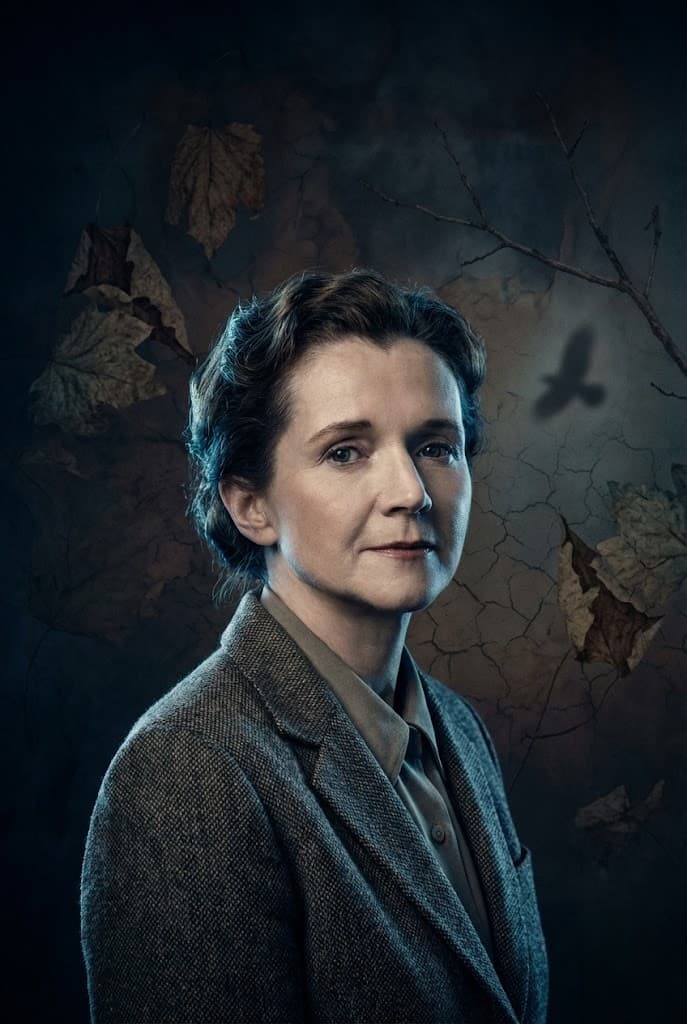
Rachel Carson
Following the Second World War, the United States repurposed military chemicals for agricultural and civilian use. The government subsidized farmers to increase crop yields while simultaneously regulating the food supply, creating a dangerous conflict of interest. Large agricultural and chemical corporations promoted synthetic pesticides as safe, necessary tools for modern progress. This culture celebrated technological dominance over nature, leading to the indiscriminate aerial spraying of toxins across public and private lands to eradicate nuisance pests.
Rachel Carson combined her rigorous training as a marine biologist with her proven literary talent to challenge the widespread use of chemical pesticides. Having worked for the government for fifteen years, she possessed both a deep understanding of ecological systems and a network of government scientists who secretly shared her concerns. Alarmed by reports of dying birds and poisoned wildlife from private landowners, she gathered suppressed data linking pesticides to cancer and genetic defects. She leveraged her financial independence, gained from previous bestselling nature books, to devote herself entirely to exposing this crisis.
Synthetic pesticides poison the environment indiscriminately, affecting intended targets and innocent wildlife alike. Chlorinated hydrocarbons, such as DDT, persist in the environment for years and accumulate in the fatty tissues of animals. As these chemicals move up the food chain, their toxicity magnifies, causing catastrophic reproductive failures in bird populations and neurological damage in mammals.
Organophosphates, while less persistent in the environment, possess an acute toxicity that can cause immediate paralysis or death upon exposure. These synthetic toxins infiltrate soil and water systems, altering the fundamental cellular and genetic structures of living organisms and increasing the risk of severe long-term illnesses in humans.
Waging chemical warfare against insects ultimately fails due to the rapid reproductive cycles of pest populations. When a landscape is doused in synthetic poisons, the weakest insects die, but a resistant fraction survives to breed. Within a few years, entirely new strains of chemical-resistant insects emerge, rendering the original pesticides completely useless. This biological adaptation forces agricultural industries to develop and apply increasingly lethal chemical compounds, trapping humanity in a dangerous cycle of escalating toxicity.
To communicate complex scientific data to the public, Carson pioneered a hybrid literary genre that fused empirical research with emotive storytelling. She opened her book with a terrifying fable about a poisoned town suffering a silent, birdless spring. By employing haunting metaphors and apocalyptic imagery, she translated dry clinical studies into urgent moral imperatives. This narrative strategy forced readers to emotionally connect with the ecological devastation, transforming abstract scientific warnings into a tangible public crisis.
The publication of Silent Spring triggered a massive public relations offensive from the chemical industry. Corporations spent heavily to discredit Carson, attacking her scientific credentials and labeling her a hysterical alarmist. Critics accused her of ignoring the benefits of pesticides in combating diseases like malaria and claimed that limiting chemical use would lead to widespread famine. Industry executives published parodies predicting a desolate world overrun by insects, attempting to manipulate public fear to maintain their lucrative chemical monopolies.
Despite fierce corporate opposition, the public outcry compelled immediate political action. The United States government initiated multiple congressional hearings and commissioned independent presidential advisory panels to investigate pesticide safety. These investigations validated the core scientific findings, leading to tighter regulations on chemical toxins and the eventual domestic ban on DDT. This political momentum directly catalyzed the establishment of federal environmental agencies and the passage of foundational laws designed to protect national air and water quality.
While brilliant in its critique, the book faltered in some of its proposed solutions. Seeking alternatives to chemical sprays, Carson advocated for biological controls such as the introduction of foreign predatory insects. This strategy failed to account for the ecological chaos invasive species generate when released into habitats lacking natural population checks.
Furthermore, she surprisingly endorsed the use of radiation to sterilize insect populations. This endorsement directly contradicted her own warnings about the unpredictable dangers of nuclear fallout and genetic tampering, revealing a critical lapse in her otherwise rigorous ecological philosophy.
Rachel Carson fundamentally shifted human consciousness regarding the relationship between humanity and the natural world. She dismantled the arrogant assumption that humans could artificially engineer and dominate ecosystems without suffering severe consequences. By framing environmental protection as a moral obligation, she laid the ideological groundwork for the modern environmental movement. Her work serves as a permanent reminder that human survival depends entirely upon respecting the delicate balance of nature.