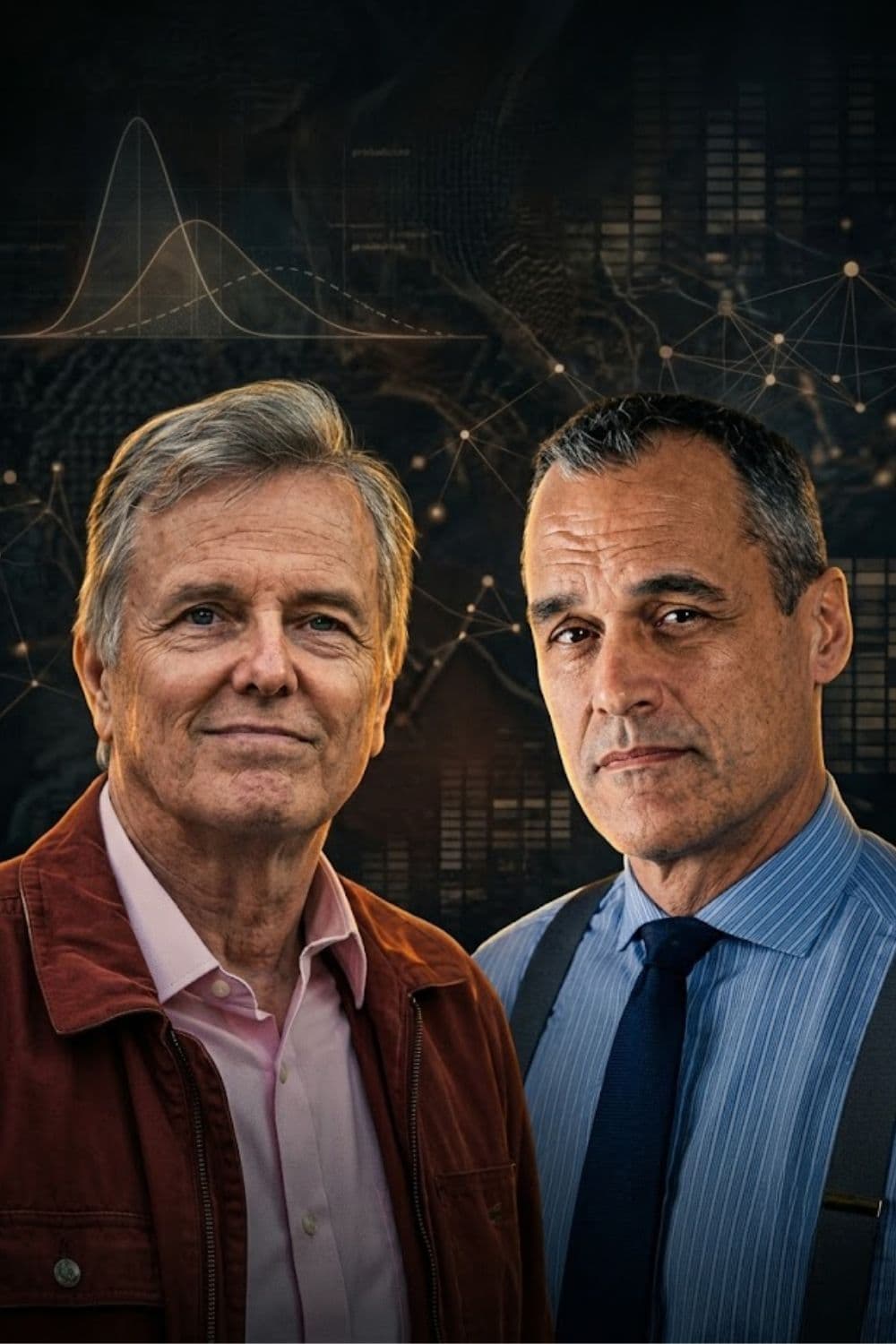
Philip E. Tetlock and Dan Gardner
A massive experimental tournament evaluated the ability of individuals to predict geopolitical and economic events with high accuracy. This initiative revealed that a small fraction of volunteer participants consistently outperformed professional intelligence analysts and control groups. These exceptional individuals earned the title of superforecasters. Their success stems not from access to classified information or genius level intelligence, but from a distinct cognitive style and disciplined methodology.
Accurate forecasting requires an eclectic approach to information gathering. Superforecasters act like foxes, knowing many small things and pulling from diverse sources to synthesize a cohesive prediction. They actively seek out opposing viewpoints to build a multifaceted perspective. This contrasts sharply with hedgehogs, who view the world through a single ideological lens and bend facts to fit their overarching narratives. The fox mindset prevents dogma from clouding objective analysis.
Complex questions often appear impenetrable and trigger intuitive but flawed guesses. Superforecasters dismantle these large problems into a series of smaller, estimable subproblems. This method forces hidden assumptions into the open where they can be tested and refined. By addressing each component individually, forecasters replace unconscious bias with explicit logic and calculate a highly accurate final estimate.
Human psychology naturally gravitates toward the specific, dramatic details of a new situation. To counteract this bias, superforecasters initially anchor their predictions using historical base rates before examining the unique elements of the problem. Establishing this statistical context provides a grounded starting point. Only after setting this baseline do they adjust their probabilities based on the specific circumstances of the current event.
The real world operates on a spectrum of uncertainty rather than simple binary outcomes. Superforecasters reject vague terms like likely or maybe and instead assign precise numerical probabilities to their predictions. This granularity forces deeper cognitive engagement and requires the forecaster to weigh marginal pieces of evidence. Distinguishing between a sixty percent and a sixty five percent probability translates into significantly better long term accuracy.
Predictions are not static declarations. Accurate forecasters continuously revise their estimates as new information emerges. They apply Bayesian logic to make frequent, incremental adjustments to their baseline predictions. This deliberate pacing prevents them from underreacting out of stubbornness or overreacting to dramatic but irrelevant news.
Superforecasters treat their beliefs as hypotheses to be tested rather than treasures to be guarded. They actively consume information from sources that challenge their current viewpoints. This mechanical safeguard prevents confirmation bias and ensures that intellectual diversity informs every judgment. When new facts contradict their previous assumptions, they change their minds without perceiving it as a personal failure.
Maintaining high accuracy requires an unwavering commitment to self improvement known as perpetual beta. Superforecasters ruthlessly evaluate their past predictions through objective postmortems to determine if their successes resulted from skill or sheer luck. They document their initial reasoning carefully to combat hindsight bias. This continuous feedback loop transforms inevitable mistakes into valuable data points for future refinement.
Collaboration significantly amplifies individual forecasting skill when managed correctly. Teams of superforecasters utilize precision questioning and constructive confrontation to dissect arguments and expose blind spots. This rigorous group dynamic fosters psychological safety while preventing the pitfalls of groupthink. By sharing resources and challenging each other respectfully, these groups generate a collective intelligence that consistently outpaces individual efforts.
Effective forecasting demands the strategic deployment of cognitive labor. Superforecasters practice triage by ignoring completely predictable events and impossible questions. They focus their energy exclusively on the middle ground where rigorous analysis yields the highest return on effort. This efficient allocation of attention ensures that complex problems receive the deep analytical focus necessary for accurate prediction.
Jump into the ideas before you finish the whole summary.