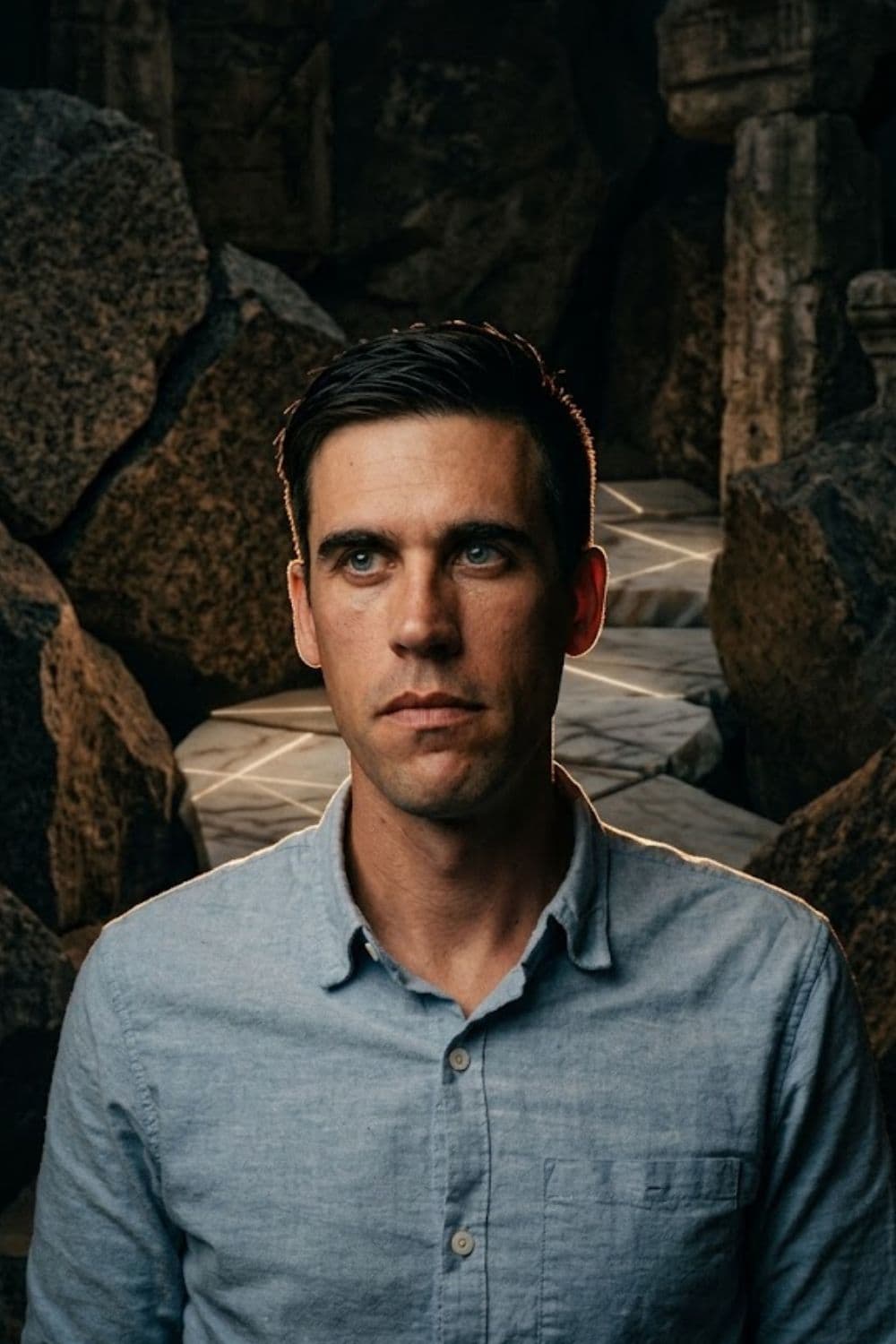
Ryan Holiday
The fundamental premise of adapted Stoicism dictates that impediments to action actually advance action. When an obstacle blocks a path, that obstacle itself becomes the new path. This reversal requires recognizing that situations are inherently neutral and only take on a negative charge through human judgment. By stripping away emotional reactions, a person can observe the raw mechanics of a problem and isolate the hidden advantages within it.
Perception dictates reality because human interpretations frame the boundaries of action. If a challenge is perceived as paralyzing, it inevitably induces paralysis. To combat this limitation, one must cultivate a relentless objectivity that separates the actual event from the subjective story told about the event. This discipline requires filtering out prejudice, fear, and instinctual panic. Projecting problems as if they were happening to a stranger eliminates emotional baggage and allows for cold calculation.
Accurate perception must immediately precede deliberate and continuous movement. Waiting for perfect conditions or an unexpected epiphany guarantees stagnation. Action operates as the physical mechanism that dismantles barriers, provided it remains directed and methodical rather than chaotic. This execution involves breaking massive challenges into incremental tasks and completing each step with absolute focus. Failure during this iterative phase provides immediate feedback on which strategies to abandon and which to amplify.
Confronting an overpowering force directly often guarantees defeat. True strategy demands flexibility and a willingness to compromise on nonessential details to achieve the primary goal. When blocked by a superior opponent or an insurmountable barrier, progress relies on indirect approaches. Finding leverage points and utilizing an opponent's momentum against them allows a person to discover workarounds that render the main obstacle entirely irrelevant.
While perception and action govern human agency, the will governs the realm where agency completely fails. Certain obstacles are genuinely immovable and certain tragedies are unavoidable. Cultivating the will means building an internal fortress that remains undisturbed when external plans collapse. This internal strength depends entirely on endurance rather than aggression, allowing a person to accept uncontrollable outcomes without yielding to despair.
Human vulnerability increases significantly when adversity arrives unexpectedly. To neutralize the shock of failure, one must proactively visualize every potential disaster before taking any steps forward. This anticipatory technique exposes weaknesses in a plan and builds psychological callouses against inevitable disappointment. Acknowledging the high probability of negative outcomes ensures individuals can design contingency plans and adapt instantly when external factors disrupt their trajectory.
Mere acceptance of a terrible situation constitutes an incomplete response. The ultimate expression of the will involves an active love for whatever happens, regardless of the severity. This mindset transforms mandatory suffering into voluntary growth. When an individual fully embraces a catastrophic event as a necessary occurrence, the event ceases to be a tragedy. It becomes raw fuel for future development and eliminates the friction of psychological resistance.
Modern adaptations of this philosophy frequently face intense criticism for prioritizing wealth and ambition over ethical virtue. Traditional Stoic texts strictly oppose exploiting others or utilizing fear to force productivity. Modern corporate interpretations sometimes glorify ruthless business tactics and controversial historical figures as models of perseverance. This shift risks reducing a holistic philosophy of ethical living into a mechanical tool for career advancement and financial prosperity.
Jump into the ideas before you finish the whole summary.