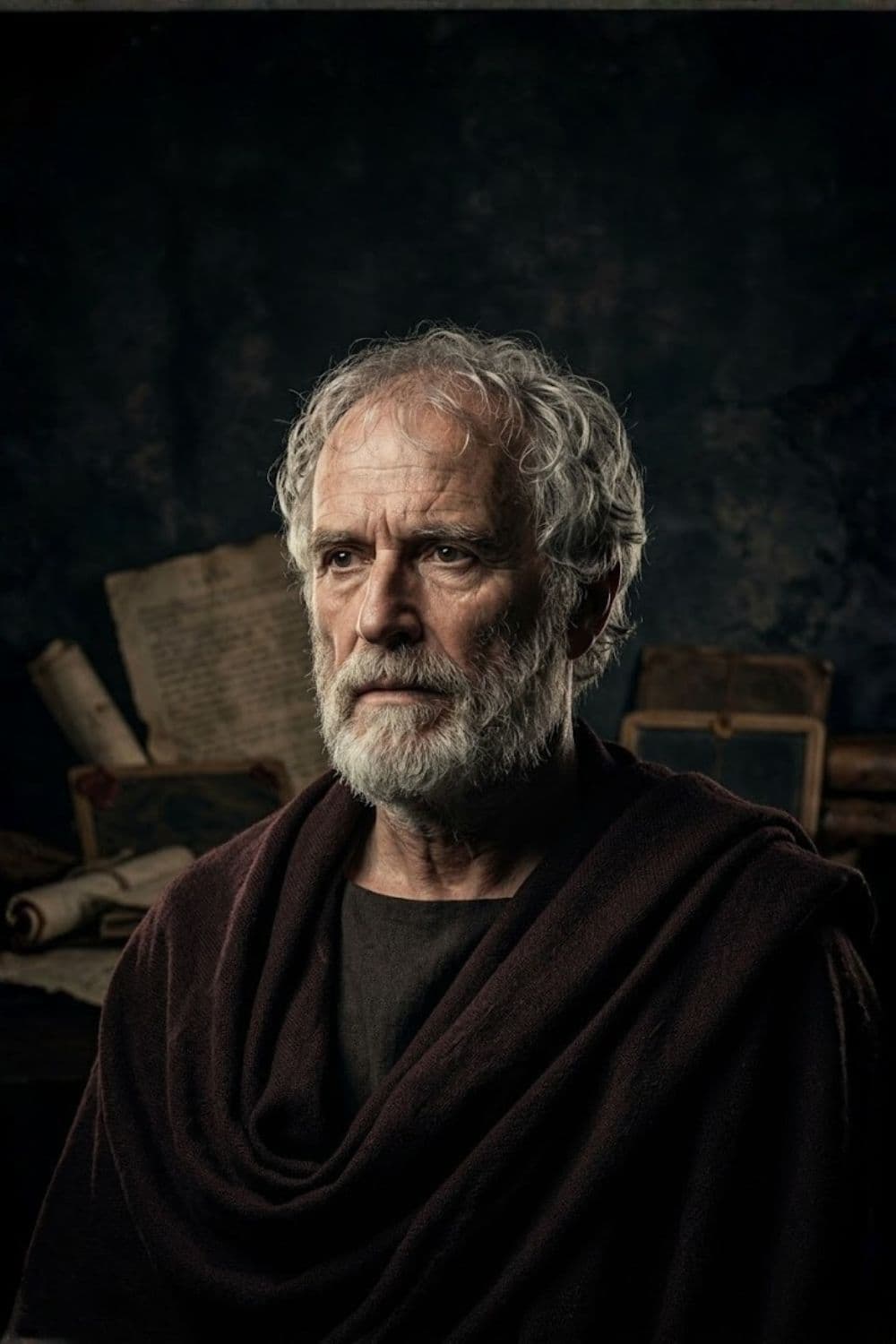
Seneca
Destructive emotions arise not from external events but from flawed judgments and false beliefs about what constitutes the good. Stoic philosophy categorizes extreme fear, grief, and anger as irrational movements of the soul that directly disobey reason. Because these passions stem from cognitive errors regarding morally indifferent things, individuals possess the inherent capacity to correct them. Modifying the underlying beliefs directly alleviates emotional distress and restores mental equilibrium.
This cognitive model of emotion fundamentally parallels modern psychotherapeutic practices. Modern therapies operate on the identical premise that maladaptive thoughts drive negative emotional states. By identifying and restructuring these internal judgments, individuals can transform disruptive passions into rational and appropriate affective responses.
Human energy is frequently wasted on outcomes entirely outside of human influence. The foundation of mental resilience relies on strictly distinguishing between internal variables and external circumstances. Judgments, choices, and desires remain firmly within individual control. Conversely, physical health, financial wealth, social reputation, and the actions of other people fall completely outside this sphere of direct authority.
Attempting to manipulate external events guarantees frustration and anxiety. By redirecting focus exclusively toward internal choices, a person cultivates profound acceptance of reality. This deliberate separation of domains reduces the shock of adverse events and preserves stability regardless of how external situations unfold.
Every entity is evaluated based on its specific natural function. The defining characteristic of a human being is reason. Consequently, the sole human good consists in the perfection of this rational capacity, a state defined strictly as virtue. Attributes shared with other animals or plants, such as physical strength or basic life functions, cannot constitute the ultimate human good.
Because virtue relies entirely on the perfection of reason, it alone is necessary and sufficient for human happiness. External advantages represent preferred indifferents. They provide material for virtuous action but possess no intrinsic moral value. A person stripped of all external advantages remains completely whole if their rational mind functions correctly.
If virtue is the only true good, then all virtuous actions hold identical moral weight. The circumstances surrounding an action merely serve as the raw material for moral choice. A person acting with profound courage while enduring physical torture exhibits the exact same level of virtue as a person acting justly while enjoying peace and prosperity. The underlying rational disposition dictates the value of the action.
This principle dictates that external hardships cannot diminish the quality of the good. When a person chooses an honorable path despite severe physical or social penalties, the presence of those negative factors is obliterated by the magnitude of the virtue. Therefore, navigating extreme misfortune requires the exact same rational consistency as managing great wealth.
Mental rehearsal of future adversity inoculates the mind against the shock of sudden misfortune. By deliberately contemplating the loss of property, health, or loved ones, individuals strip these events of their paralyzing novelty. Familiarity with potential hardship prevents the mind from collapsing when theoretical threats materialize into actual crises.
This practice simultaneously neutralizes anxiety and amplifies gratitude. Anxieties thrive on vague and unexamined fears of the future. Transforming these fears into specific scenarios allows reason to devise effective coping strategies. Furthermore, imagining the absence of current comforts forces a person to recognize their temporary nature, thereby increasing appreciation for what is presently available.
Intense emotional reactions rely on the immediate and uncritical acceptance of initial impressions. Cognitive distancing introduces a critical pause between a stimulus and the corresponding reaction. By viewing thoughts as mere mental hypotheses rather than objective truths, a person prevents initial physiological startle responses from escalating into destructive passions.
Adopting a cosmic perspective accelerates this distancing process. Visualizing human affairs from an immense spatial and temporal height shrinks personal grievances to their proper and insignificant proportions. This expanded viewpoint reveals the transient nature of worldly success and failure, immediately reducing the intensity of desires and anxieties attached to trivial events.
Conventional wealth consists of superfluous possessions that generate constant anxiety regarding their potential loss. True wealth derives entirely from satisfying basic natural requirements. Human biology demands simple nourishment and shelter. Meeting these fundamental physiological needs requires minimal resources and almost no reliance on external fortune.
Desires exceeding basic biological requirements are artificial constructs driven by social conditioning and false opinions. A person possessing massive financial assets often remains psychologically impoverished due to a relentless craving for more. Conversely, individuals who align their desires strictly with natural necessity achieve immediate self-sufficiency and eradicate the fear of poverty.
Social hierarchies mask the fundamental equality of all human beings. Legal distinctions between master and slave fail to reflect the true nature of servitude. True slavery is a psychological condition characterized by submission to lust, greed, or ambition. A legally free individual controlled by their desires experiences a far more degrading form of captivity than a legal slave.
Furthermore, all human beings are equally subjected to the dictates of fate and the natural laws of the universe. Recognizing this shared subjection nullifies arrogant behavior toward social inferiors. Treating subordinates with dignity and sharing social spaces with them aligns with the rational understanding that fortune alone dictates external social placement.
Time is the only resource that humans truly possess, yet it is squandered with astonishing negligence. People guard their physical property fiercely while allowing others to consume their days with meaningless activities. Life only appears short because vast portions of it are wasted on trivial pursuits, procrastination, and anxiety about the future.
The failure to recognize death as an ongoing process further distorts the perception of time. Death does not merely reside in the future; every moment that passes belongs to death. By embracing the present hour and acting with immediate purpose, a person escapes dependency on tomorrow and extracts complete value from their allotted lifespan.
The physical universe consists of two fundamental principles: inert matter and an active cause. Matter exists in a passive state, awaiting form and direction. The active cause, identified as divine reason, operates upon this matter to generate all structured entities. Every natural and artificial creation requires both a material substrate and a rational agent to shape it.
While other philosophical frameworks propose multiple types of causes, prioritizing the single efficient cause simplifies the understanding of nature. The artisan shaping a statue directly mirrors the divine reason organizing the cosmos. Recognizing this dynamic reinforces the supremacy of the rational mind over the physical body, establishing that the active intellect must always direct the passive flesh.
Every animal possesses an innate and pre-rational awareness of its own physical constitution. This natural self-perception drives the fundamental instinct for self-preservation. Newborn creatures execute complex physical movements and avoid specific predators without prior learning or experience. Nature equips them immediately with the necessary behavioral programming to protect their physical integrity.
As a human being matures, this constitution evolves from a purely physical state to a rational one. The instinct to preserve oneself remains constant, but the object of preservation shifts entirely. An adult human must protect their rational mind with the exact same innate intensity that an infant uses to protect its physical body. Understanding this developmental trajectory clarifies why rational virtue serves as the ultimate human survival mechanism.
Jump into the ideas before you finish the whole summary.