
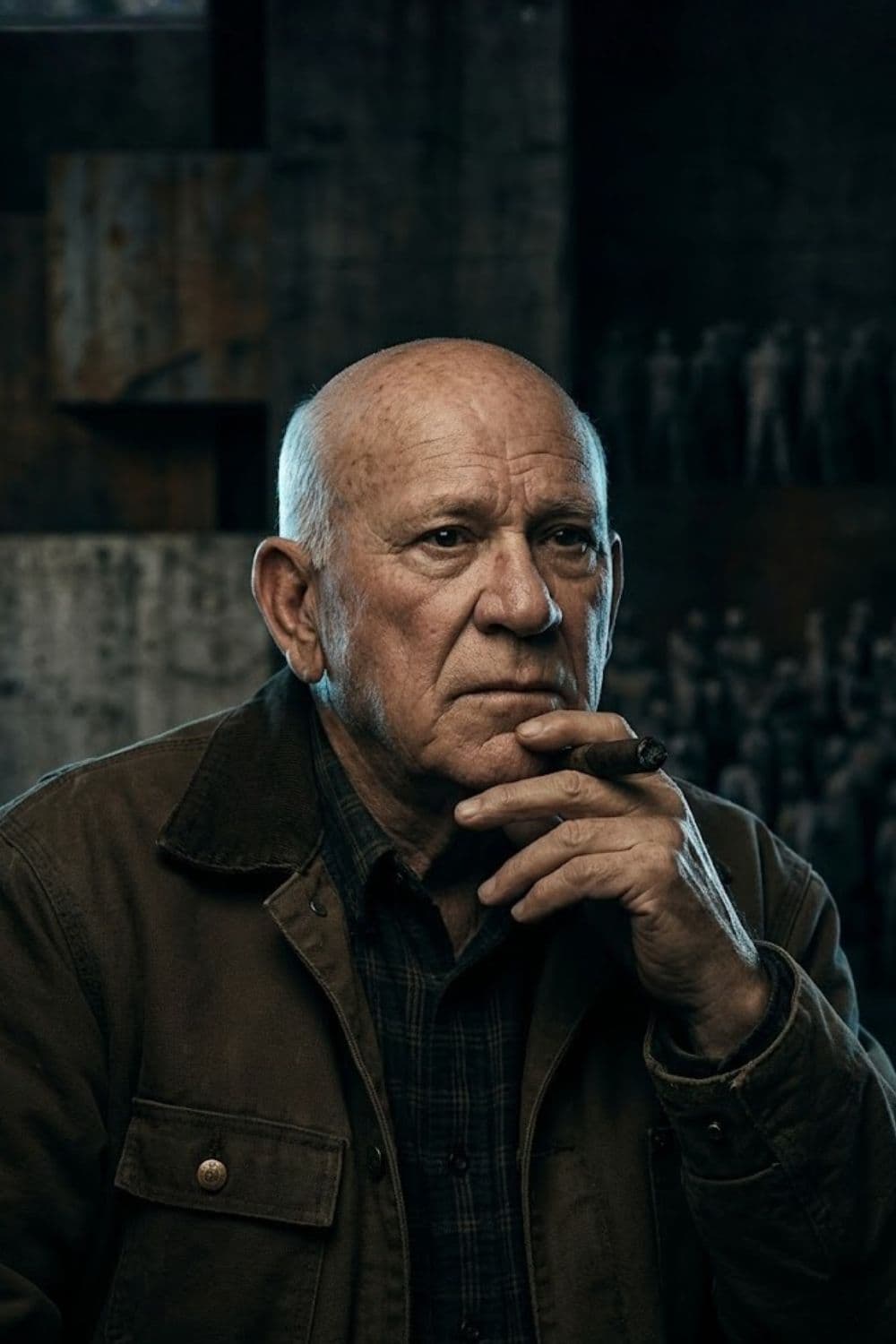
Eric Hoffer
All mass movements, whether religious, nationalist, or social, draw from the exact same psychological types. Their surface doctrines differ wildly, but their internal mechanics and the deep psychological voids they fill remain identical. An individual primed for a radical fascist uprising is equally susceptible to the pull of a militant communist revolution or a fervent religious crusade. The specific ideology is secondary to the magnetic pull of the movement itself, which offers a collective refuge for those desperate to abandon their own isolated lives.
The core driver of a true believer is not a rational desire for self-advancement but a desperate, consuming need for self-renunciation. Deeply frustrated individuals view their autonomous lives as irrevocably spoiled and fundamentally meaningless. They crave a holy cause to absorb them, seeking to shed the heavy burden of individual responsibility, free will, and the lingering pain of personal failure. By surrendering their distinct identities, they hope to be reborn as anonymous but powerful particles within a colossal collective body.
Absolute destitution does not breed mass movements. The abjectly poor are too consumed with the immediate, daily struggle for survival to harbor grandiose visions of radical change. Instead, revolutions are ignited by those whose conditions have recently improved but whose soaring expectations outpace their new reality. The newly poor, who possess visceral memories of better days, also experience this intense agitation. The taste of recent prosperity acts as a fire in the veins, generating an explosive resentment that absolute misery simply cannot produce.
The transition from a dedicated believer to a militant fanatic requires the adoption of sacred values that demand absolute, unquestioning reverence. These values are treated as possessing infinite weight and total inviolability, effectively insulating the believer from rational critique or compromise. The individual relies on the unconditional nature of these values to preserve their own psychic unity. When the self is fundamentally fragile, any questioning of the sacred ideal threatens to disintegrate the believer's core identity, making extreme intolerance a psychological necessity for survival.
The deeply frustrated individual does not truly desire freedom. Freedom brings the heavy burden of choice, the isolation of autonomy, and the terrifying reality of bearing sole blame for personal failure. They yearn instead for strict equality and comforting anonymity within a compact corporate whole. By dissolving into a uniform mass, they escape the ruthless competitive testing of a free society and find profound psychological relief in absolute submission to an authoritarian structure.
To demand absolute self-sacrifice, a movement must convince its followers that the present reality is entirely worthless. The current era is relentlessly depicted as a vile, corrupt interlude suspended between a glorious, mythical past and a breathtaking, utopian future. When the present is systematically devalued, losing one's own life becomes a trivial sacrifice. Followers willingly surrender their bodies and minds, ready to die for pristine cities yet to be built and utopian gardens yet to be planted.
Dying and killing are made palatable by transforming them into acts of theatrical performance. Leaders of mass movements stage elaborate rituals, grandiose parades, and overwhelming spectacles to detach followers from their flesh-and-blood realities. When individuals are conditioned to see themselves as heroic actors on a grand historical stage, death loses its terrifying finality. The brutality of conflict is masked by uniforms, anthems, and the intoxicating illusion that the entire world is watching their performance.
Hatred is the most accessible and comprehensive of all unifying agents. Mass movements can easily exist without a belief in a benevolent god, but they cannot sustain momentum without a tangible, omnipresent devil. This shared hatred allows heterogeneous, fractured individuals to coalesce into a single, passionate entity. The fanatic projects his own deep-seated self-contempt outward, transforming his personal inadequacy into a righteous, consuming fury against a fabricated enemy.
A mass movement does not rely on brotherly love or genuine camaraderie to maintain its internal cohesion. It relies instead on the relentless application of mutual suspicion. By fostering an environment where every member is constantly watched and watching others, the movement ensures strict ideological orthodoxy. The terrifying threat of being labeled a traitor or a heretic binds the members together with an iron grip, preventing desertion and enforcing absolute, unquestioning obedience to the collective will.
A mass movement cannot take root until the prevailing social order has been thoroughly discredited. This initial destabilization is the work of articulate intellectuals, writers, and scholars who harbor a deep craving for recognition and a lingering grievance against the establishment. By mocking existing institutions, exposing corruption, and undermining traditional loyalties, they strip the ruling class of its legitimacy. In doing so, they inadvertently create a profound psychological void and a desperate hunger for new faith among the disillusioned masses.
Once the intellectual vanguard has successfully dismantled the moral authority of the old order, the fanatic steps in to hijack the resulting chaos. Emerging frequently from the ranks of frustrated, noncreative individuals, the fanatic possesses an iron will, an utter disregard for objective facts, and a joyful embrace of destruction. He pushes the movement into its extreme, violent phase, harnessing the collective frustration to completely demolish the present. Chaos becomes his natural element, and he violently shoves aside the cautious intellectuals who paved his way.
If the fanatic is allowed to rule indefinitely, the movement will consume itself in endless, paranoid purges and suicidal extremism. Long-term survival requires the eventual emergence of practical men of action. These pragmatists forcefully halt the dynamic, chaotic phase, replacing spontaneous enthusiast uprisings with institutionalized coercion and mechanical drill. They transform the fiery holy cause into a stable, managed enterprise, embalming the original revolutionary vigor into a rigid hierarchy designed to preserve their newly acquired power.
Jump into the ideas before you finish the whole summary.