
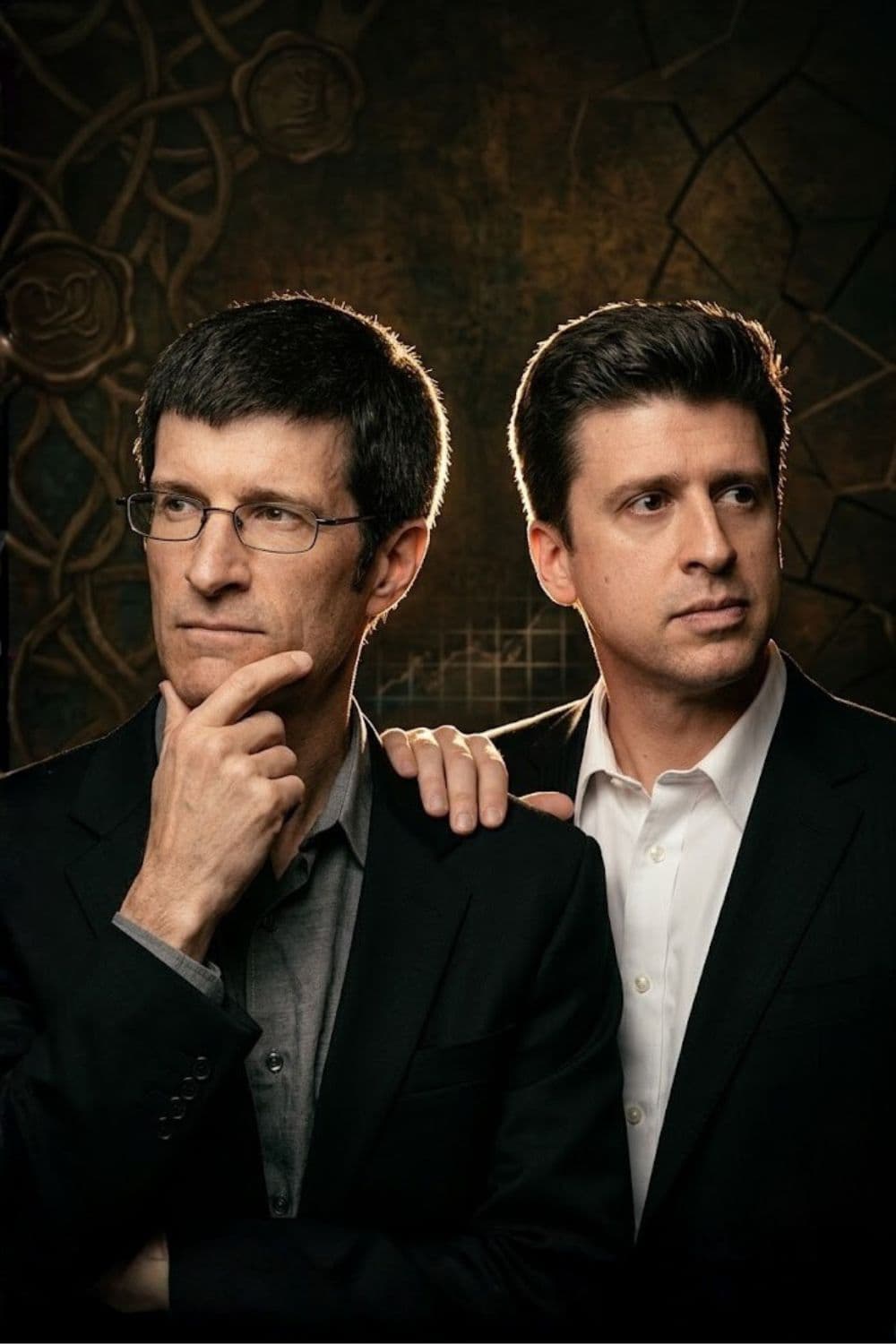
Chip Heath, Dan Heath
Once a person learns a piece of information, they lose the ability to imagine what it feels like to not know it. This cognitive imbalance causes experts to communicate using abstractions and nuance rather than foundational concepts. In a famous Stanford psychology study, people were asked to tap the rhythm of a well-known song on a desk while listeners tried to guess the tune. The tappers predicted listeners would guess half the songs correctly, but the actual success rate was only two percent. The tappers failed to realize that the melody playing clearly in their own heads was completely inaudible to the listeners. This phenomenon is the primary reason why perfectly accurate messages routinely fail to resonate with audiences.
Crafting a sticky idea requires stripping a message down to its most critical essence without dumbing it down. The military utilizes a concept called the Commander's Intent to align the behavior of soldiers at all levels. Since unpredictable events render detailed battle plans obsolete almost immediately upon contact with the enemy, a single, crisp goal ensures everyone understands the primary objective. In business, a core message functions the same way by acting as a universal guide for decision making. Using analogies helps ground these simple concepts by tying new information to a framework the audience already understands. Describing a pomelo as a supersized grapefruit immediately gives the listener a mental model to work from.
The human brain adapts quickly to consistent patterns and easily tunes them out. To capture attention, a message must violate expectations and break the audience's guessing machine. Once an idea exposes a flaw in how people understand the world, it generates a profound sense of surprise. Maintaining that attention requires opening a knowledge gap. Behavioral economists liken missing information to an itch that demands to be scratched. By pointing out a specific piece of missing knowledge before providing the facts, communicators create a mystery. This mystery forces the audience to stay engaged until the pattern is resolved and the gap is closed.
Human memory operates like a hook and loop fastener. Abstract concepts lack hooks, making them difficult to retain. Concrete ideas expressed through tangible, sensory language provide thousands of hooks that easily cling to a person's memory. Instead of using ambiguous corporate jargon like maximizing shareholder value, effective communicators use specific images and human actions. A teacher explaining racial prejudice to third graders did not use abstract definitions. She divided her class by eye color and treated the brown-eyed children as superior. This brutal, physical simulation transformed an abstract societal issue into a concrete experience that permanently altered her students' understanding of discrimination.
An idea must possess credibility to overcome an audience's natural skepticism. While expert authorities can validate a claim, anti-authorities often wield even more persuasive power. A dying smoker speaking against tobacco usage carries undeniable authenticity born from personal consequence. When external validation is unavailable, ideas must generate internal credibility through vivid details or human-scale statistics. Throwing a single pellet into a metal bucket to represent a bomb, followed by thousands more to represent a global nuclear arsenal, transforms a massive, incomprehensible number into a visceral threat. Alternatively, communicators can use the Sinatra Test, where achieving success in one exceptionally difficult environment proves competence for any future endeavor.
People are naturally wired to feel empathy for individuals rather than abstractions or multitudes. Studies show that individuals donate significantly more money when presented with the story of a single starving child than when confronted with comprehensive data about systemic famine. Statistics trigger an analytical mindset that actively suppresses emotional engagement and hinders action. To make people care, a message must connect to their self-interest or their sense of identity. By appealing to the person someone wishes to be, ideas bypass analytical resistance. When a cafeteria worker in a war zone views their job as boosting morale rather than serving food, they align their daily tasks with a higher aesthetic and transcendent purpose.
Stories possess a unique dual power to provide both simulation and inspiration. Brain scans reveal that imagining an action activates the exact same neural pathways as physically performing the action. Listening to a narrative acts as a mental flight simulator, allowing people to rehearse their responses to future challenges. This simulation gives the audience the practical knowledge required to act. Furthermore, plots featuring underdogs overcoming immense challenges or individuals devising highly creative solutions to complex problems provide the motivation necessary to implement that knowledge. A properly deployed story naturally embodies simplicity, emotion, and concreteness while effectively defeating the curse of knowledge.