
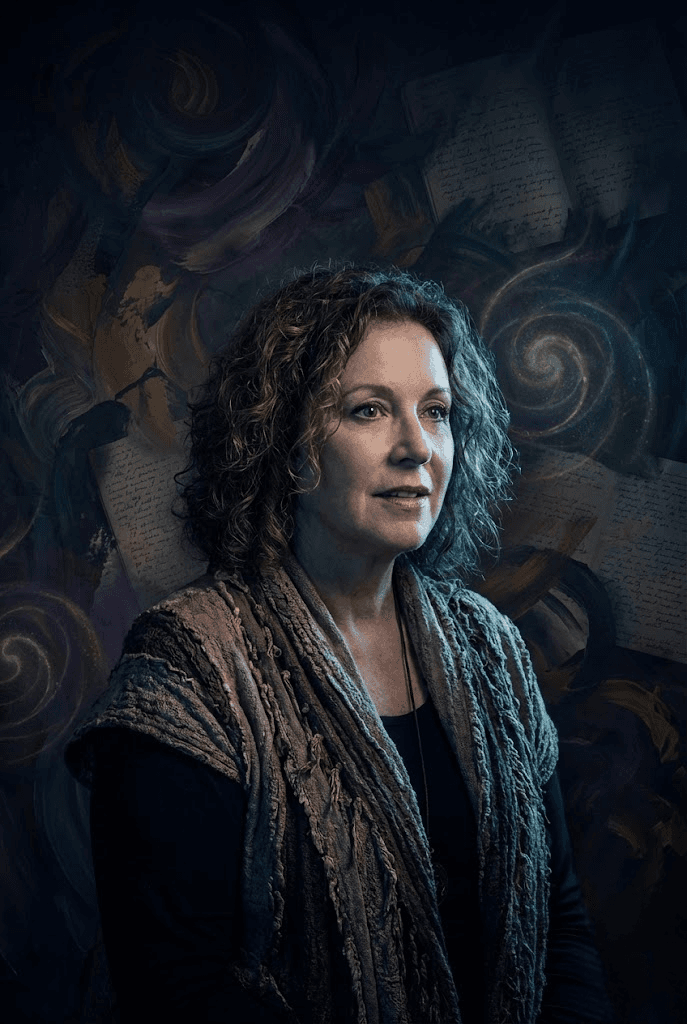
Julia Cameron
Creativity constitutes the natural order of life and flows continuously like an underlying spiritual electricity. A failure to express this inherent energy results from deep seated fears rather than laziness. When individuals open themselves to creative exploration, they align with a broader universal force that facilitates personal transformation. This alignment demands treating the inner artist like a sensitive child who requires gentle encouragement and safety to thrive.
Writing three pages of longhand stream of consciousness text every morning functions as a primary tool for creative recovery. This daily ritual drains the mind of petty worries and negative thoughts before the ego can establish its defenses. By dumping anxieties directly onto the page, individuals bypass their internal critic and create mental space for genuine inspiration. The practice acts as a form of active meditation that gradually realigns personal priorities and reveals hidden truths.
Sustained creative output depletes a vital internal reservoir of imagery and inspiration. To replenish this artistic well, individuals must commit to a weekly solo expedition dedicated entirely to play and exploration. These solitary excursions stimulate the imagination by exposing the senses to novel sights and sounds without the distraction of companions. Prioritizing this dedicated time directly combats the artistic anorexia that starves the creative mind of necessary sensory input.
A harsh internal critic constantly generates negative beliefs that block artistic expression. This survival oriented mechanism attacks originality because it perceives unfamiliar ideas as dangerous threats to the status quo. Recognizing and documenting these toxic thoughts strips them of their hidden power and allows creators to counter them with positive affirmations. Continual repetition of affirmative statements gradually overwrites years of destructive conditioning and restores creative confidence.
Creative recovery frequently threatens friends and associates who remain stuck in their own artistic blockages. These blocked individuals may unconsciously sabotage emerging creators by offering destructive criticism or demanding excessive time and attention. Additionally, charismatic but chaotic personalities drain the energy of those around them by fabricating constant crises. Establishing firm boundaries and keeping early creative work strictly private protects the fragile artistic self from these toxic external influences.
Committing to a specific creative goal triggers a cascade of unexpected opportunities and assistance. Taking concrete steps toward a dream alerts the universe to provide the exact resources necessary for completion. Individuals often dismiss these fortuitous events as mere coincidence because acknowledging a responsive universe implies a terrifying responsibility to act. Embracing this phenomenon shifts the creative mindset from passive victimization to active collaboration with hidden forces.
Artists frequently delay their work because they set impossibly high standards and demand immediate perfection. This obsession with the final product paralyzes the creator and prevents the necessary messy stages of artistic growth. Focusing exclusively on the process allows individuals to take small daily actions that bypass the overwhelming fear of failure. Consistent minor efforts accumulate rapidly and dismantle the anxiety that fuels chronic procrastination.
Negative emotions operate as highly accurate diagnostic tools for identifying suppressed creative desires. Jealousy acts as a precise map pointing directly toward the exact achievements an individual secretly wishes to attain. Similarly, anger signals that old boundaries have been violated and that the current situation no longer serves the creator. Channeling the fierce energy of these emotions into dedicated artistic work converts paralyzing frustration into productive momentum.
Many individuals sacrifice their artistic ambitions to appear selfless and accommodating to their families or employers. This false sense of virtue leads to a slow destruction of the true self and breeds deep seated resentment. Breaking free from this dynamic requires the courage to prioritize personal creative needs over the continuous demands of others. Carving out sacred time for artistic pursuits ultimately creates a more authentic and fulfilled person capable of genuine relationships.
Long term artistic success relies heavily on enthusiasm rather than rigid military discipline. True creativity demands a willingness to repeatedly embrace the awkwardness of being a beginner whenever new projects commence. Recognizing that creative growth occurs in a non linear spiral helps artists navigate inevitable periods of drought without abandoning their practice. Faith in the continuous flow of inspiration ensures that creators remain receptive to new ideas long after their initial breakthroughs.