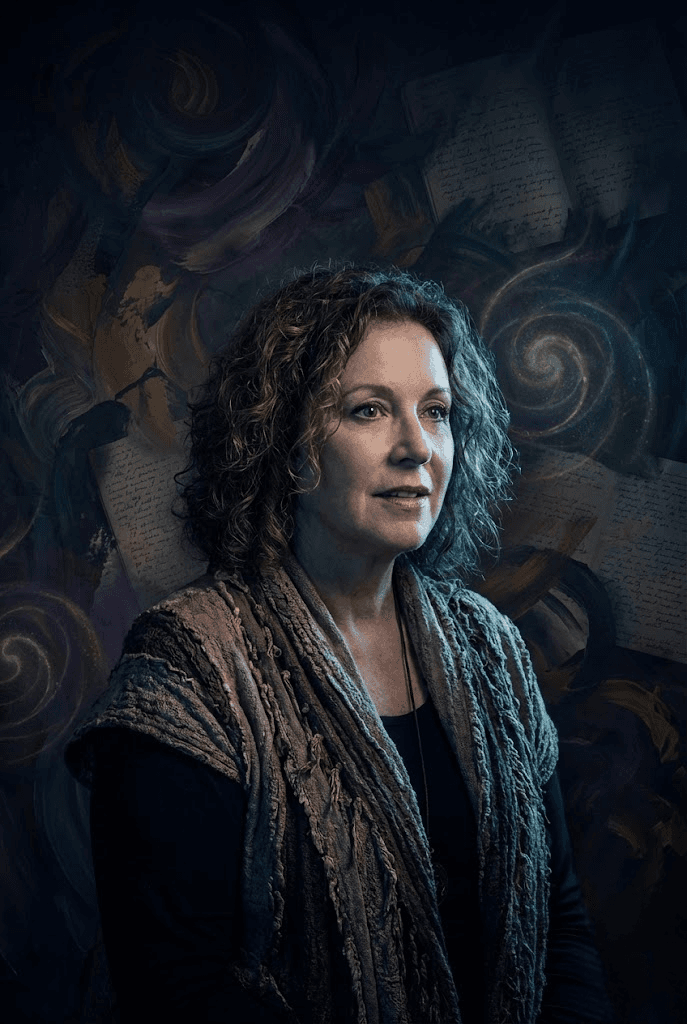
Julia Cameron
At its foundation, the methodology treats creativity not as a rare talent, but as a fundamental life force inherent to human existence. This energy is conceptualized as a flowing, dynamic current that infuses all living things. When an individual actively engages in creative acts, they are tapping into this underlying order, moving into a state of energized focus and alignment. Conversely, the refusal to create is viewed as a profound form of self-sabotage that threatens overall health and happiness.
While the foundational philosophy frequently relies on religious terminology, casting creativity as a divine gift, the internal logic functions equally well through a secular lens. Whether labeled as spiritual electricity, flow, or a natural instinct, the core mechanism remains the same. Opening up to this energy requires surrendering rigid control and trusting that gentle, powerful changes will occur as the creative channel is cleared.
The primary tool for creative recovery is a daily practice of writing three pages of stream of consciousness thought, longhand, immediately upon waking. This strict protocol is designed to catch the mind before the ego can deploy its daily defenses. By dumping every petty worry, angry tirade, and banal observation onto the page, the practitioner performs a mental sweep that externalizes internal static.
The physical and temporal constraints of the practice are crucial to its efficacy. Stopping precisely at three pages prevents the exercise from spiraling into narcissism or self-involvement, while forcing the writer to reach the third page pushes them past superficial complaints into genuine psychological paydirt. The pages are strictly private, establishing a secure psychological frame where the mind can be totally honest without fear of external judgment.
To balance the demanding output of the daily writing practice, the process requires a weekly solo expedition dedicated entirely to play. This practice is fundamentally about wooing the inner artist through scheduled, intentional delight. Our culture possesses a highly developed work ethic but lacks a functional play ethic, leading many to mistakenly believe they must work relentlessly on their art. In reality, deliberately engaging in frivolous, enchanting activities replenishes the subconscious well of imagery and inspiration.
This tool flips the creative dial from sending to receiving. While writing drains the mind, taking an hour to wander a pet store, visit a children's bookshop, or touch fabrics in a craft store restocks it. By paying acute attention to sensory details during these solo dates, the practitioner heightens their capacity for delight. This deliberate release of focus allows breakthroughs and intuitions to surface naturally.
Many individuals who suffer from creative blocks do not abandon the arts entirely; instead, they position themselves in adjacent proximity to their true desires. These individuals adopt parallel careers, becoming arts administrators, dating writers, or studying architecture when they truly wish to paint. They are drawn to the creative tribe but lack the permission or audacity to claim their own artistic identity.
The barrier separating the active creator from the shadow creator is rarely a matter of talent. It is almost exclusively a matter of audacity. By hiding in the shadows of someone else's artistic light, these individuals protect themselves from the fear of failure while simultaneously keeping their true desires in a perpetual, agonizing slumber. Recognizing this proxy behavior is a necessary step in reclaiming one's authentic creative calling.
Unblocking a suppressed creative drive often reveals how deeply an individual's personal life is structured around avoiding their art. One of the most common avoidance mechanisms is the subconscious selection of toxic or chaotic people to act as emotional lightning rods. These individuals generate constant interpersonal drama that consumes the practitioner's time and mental energy.
It is psychologically easier to obsess over a romantic rejection or an erratic boss than to face the terrifying blank page. By firmly shutting the door on these chaotic relationships, the practitioner reclaims autonomy over their time. The sudden absence of interpersonal drama forces the individual to redirect their capacity for attention back toward their own neglected potential.
Creative paralysis is frequently sustained by internalized criticism gathered over a lifetime. These historic monsters are often former teachers, unsupportive parents, or cruel peers whose offhand remarks solidified into permanent mental barriers. The framework requires the conscious excavation of these specific memories, pulling them out of the subconscious where they quietly dictate behavior.
Once these core negative beliefs are brought to light, they are treated not as facts, but as acquired conditioning. The methodology counters these deeply ingrained doubts through the deliberate use of creative affirmations. By consistently converting negative internal blurts into positive declarations, the practitioner systematically overwrites the unhelpful mental models blocking their authentic expression.
A central tension in the creative recovery process is the misdiagnosis of creative block as simple laziness. A blocked individual is rarely lazy; they are usually paralyzed by terror. Driven by perfectionism, they establish impossibly lofty goals and demand immediate mastery, completely bypassing the necessary, messy stages of being a beginner.
When these impossible ideals inevitably lead to failure or an inability to even begin, the individual berates themselves for their supposed lack of discipline. The underlying logic insists that this inability to start must be correctly identified as fear. The glare of potential success or the dread of producing something imperfect sends the artist scurrying back into a cycle of self-defeat.
Instead of engaging in the simple, physical act of making art, blocked creatives frequently substitute action with contemplation. They expend massive amounts of energy analyzing the odds of success, worrying about financial ruin, or comparing their undeveloped work to the polished successes of others. This low-grade pain is actually an active psychological addiction.
This anxious rumination serves a protective function, providing a socially acceptable excuse to delay actual creative effort. The framework counters this by shifting the focus entirely to process over outcome. True creative momentum is built through tiny, incremental daily actions, like washing paintbrushes or writing a single paragraph. Work begets work, and shrinking the task down to the next small step dismantles the paralyzing illusion of the impossible leap.
As the practitioner commits to daily writing and weekly play, the internal architecture of their life begins to shift in subtle but profound ways. Tastes change, boundaries become firmer, and a previously high tolerance for polite boredom or draining environments evaporates. This period of unblocking frequently triggers a sense of grief for the old, stagnant life that is being left behind.
During this phase, progress rarely follows a neat, linear sequence. Growth occurs in erratic spurts, marked by sudden opportunities that seem to align perfectly with the practitioner's newly clarified desires. When an individual becomes internally clear and begins taking risks simply for the sake of taking them, external circumstances often reorganize themselves to support that new direction.
Even with dedicated practice, practitioners will inevitably enter periods of profound listlessness and creative drought. In these desert seasons, the original excitement fades, and the individual may feel completely unsure of their purpose or direction. The mind will attempt to throw up roadblocks, demanding a return to sensible, noncreative pursuits to reassert a sense of control.
The internal logic of the framework demands that the artist stumble onward anyway. These droughts are essential periods of gestation that teach the practitioner to cooperate with the creative process rather than force it. By sitting with the discomfort and maintaining the daily habits without demanding immediate results, the artist builds the resilience necessary for a sustainable, lifelong creative practice.
Jump into the ideas before you finish the whole summary.