
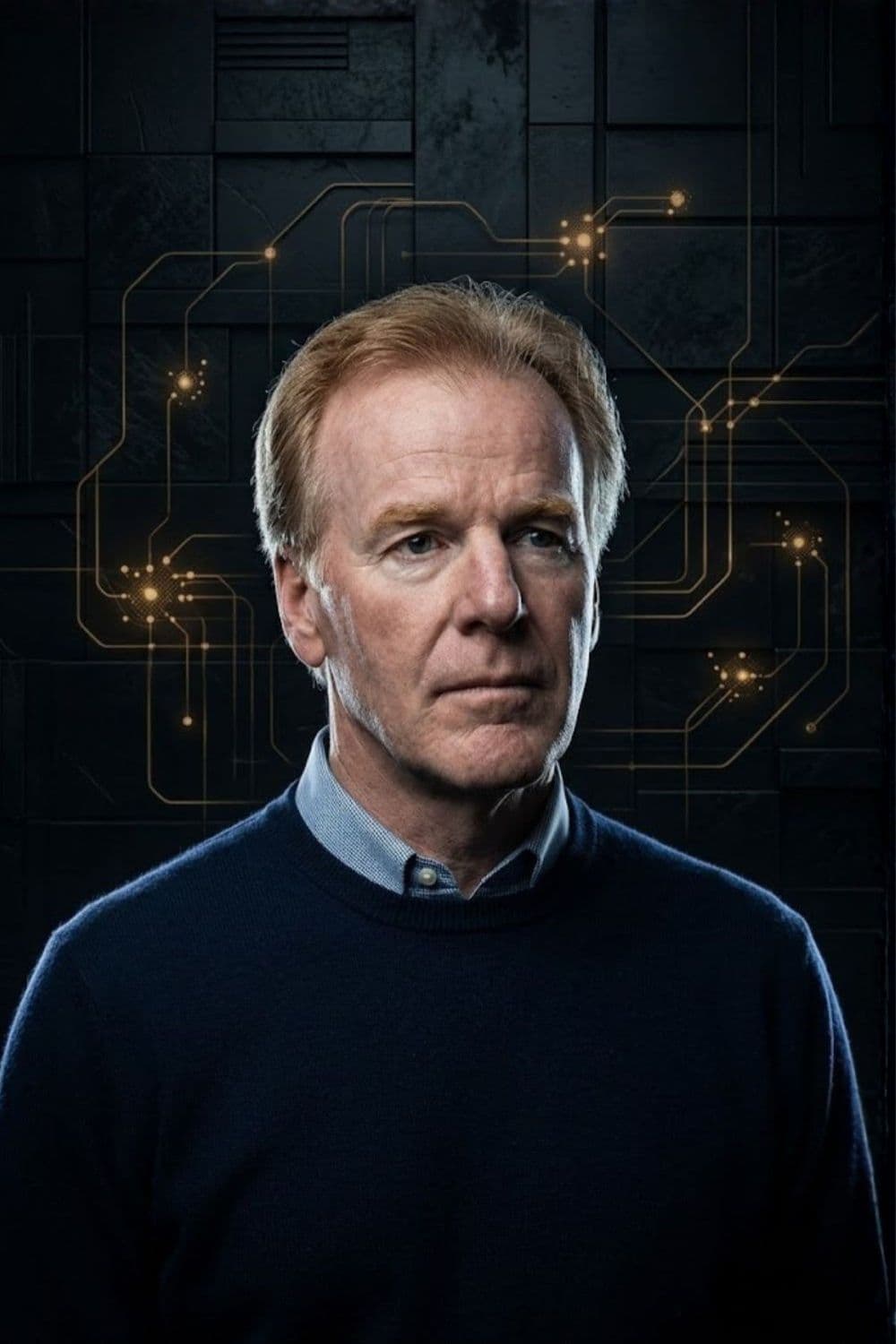
Peter M. Senge
Organizations thrive when they function as collective learning systems capable of adapting to complex environments. Rather than relying on a single visionary leader to dictate strategy, these entities harness the intellectual assets of all members. This continuous expansion of capacity allows groups to generate new patterns of thinking and avoid repeating the same mistakes.
When learning is embedded as a core competency, the organization shifts from merely surviving disruptions to actively creating its desired reality. This generative approach promotes long term organizational health by advancing shared values, clarity of purpose, and the technical capability required to solve deeply rooted problems.
Human enterprises operate as interconnected webs of action where cause and effect are rarely close in time or space. Traditional management breaks problems into isolated parts, which obscures the broader structural forces driving actual outcomes. Systems thinking demands a radical shift from viewing static snapshots to observing dynamic processes of change.
This discipline integrates all other learning practices into a coherent framework, preventing them from devolving into isolated fads. By mapping reinforcing feedback loops, balancing loops, and structural delays, individuals can identify the exact high leverage points where small, focused interventions yield significant and lasting improvements.
An organization can only learn if its individual members engage in continuous personal growth. Personal mastery requires individuals to clarify their intrinsic desires and objectively assess current reality, generating a creative tension that propels them forward. This lifelong discipline fosters an environment where people live creatively rather than reactively.
Simultaneously, individuals must surface and interrogate their own mental models. These deeply ingrained assumptions and internal images silently dictate how people interpret the world and take action. When mental models remain hidden, they sabotage new initiatives by confining decision making to outdated, linear paradigms.
A vision only becomes a shared reality when it reflects the personal aspirations of the people involved. This collective commitment generates the tremendous energy and focus required to sustain learning through difficult transitions. People excel in these environments not out of compliance, but because they genuinely desire the envisioned outcome.
Building on this alignment, team learning transforms a group of talented individuals into an entity capable of extraordinary results. Teams master the distinct practices of dialogue and discussion, deliberately suspending individual judgments to explore complex issues collaboratively. This operational trust ensures that the collective intelligence of the group vastly exceeds the sum of its individual members.
Well intentioned interventions often trigger aggressive pushback from the underlying system. When managers apply familiar, low leverage solutions to complex problems, the situation may temporarily improve before rapidly deteriorating. This phenomenon creates an addictive cycle where the required effort constantly multiplies.
Such symptomatic fixes eventually become worse than the original disease. When a company hires more staff to handle underpriced projects, overhead inflates, forcing the business to take on even more unprofitable work to cover the new expenses. Pushing harder on these familiar solutions merely exhausts resources and obscures the root causes of systemic failure.
Invisible structural delays routinely cause decision makers to overreact and exacerbate crises. In complex production networks, time lags between orders and deliveries create extreme market volatility. A minor spike in consumer demand triggers panic ordering across the supply chain, ultimately resulting in massive excess inventory once the delayed shipments finally arrive.
Participants typically blame external partners for these operational failures, completely unaware that their own isolated reactions compound the chaos. Recognizing these systemic delays prevents organizations from taking overly aggressive actions that overshoot their targets. By understanding the complete feedback loop, teams can coordinate their responses to stabilize the entire system.
The traditional concept of the leader as a heroic, omniscient captain is fundamentally inadequate for managing complex systems. Effective leaders function instead as designers, teachers, and stewards. They engineer the invisible infrastructures and core values that mobilize people, rather than simply dictating daily tasks.
By fostering an environment where failure is treated as a necessary mechanism for learning, these leaders help their teams recognize structural limits. This approach shifts authority away from hierarchical control and builds local capacity for innovation. When leaders transition from managing results to enabling knowledge creation, they empower employees to take calculated risks.
Commercial viability cannot be sustained in isolation from broader social and ecological realities. The principles of organizational learning directly apply to global challenges like resource depletion and climate change. Shifting away from a wasteful extraction mindset requires organizations to explicitly recognize their interdependence with the natural world.
Solving these global crises demands cross boundary collaboration and a profound transformation of corporate mental models. Fostering a sustainability mentality early in the education system ensures that future generations possess the systemic awareness necessary to redesign society. This revolution moves humanity away from reactive problem solving toward the active creation of a sustainable future.