John Carreyrou
In 2003, Stanford University dropout Elizabeth Holmes founded Theranos with a promise to revolutionize the healthcare industry. She claimed her company had developed a device called the Edison that could run hundreds of diagnostic tests using only a single drop of blood from a finger prick. This vision attracted massive investment and media adulation, propelling the company to a nine billion dollar valuation. Investors and pharmaceutical partners poured money into the startup, captivated by the prospect of replacing expensive laboratory infrastructure with a small desktop box.
The actual Edison machines consistently failed to produce accurate results. The mechanical pipettes routinely broke or jammed inside the device, and the internal temperature fluctuated wildly, ruining temperature sensitive assays. Instead of fixing the flawed technology, the validation teams engaged in a practice called repeat and delete. Scientists ran blood samples multiple times, discarded the inaccurate data, and kept only the numbers that matched their desired performance metrics. When testing real patient samples, Theranos secretly relied on commercially available third party equipment rather than their own heavily marketed devices.
Holmes insulated her company from scientific scrutiny by assembling a board of directors filled with political luminaries rather than medical experts. High profile figures like George Shultz, Henry Kissinger, and James Mattis joined the board, providing Theranos with an aura of invincibility. These influential men lacked the laboratory expertise necessary to evaluate the technology and succumbed to confirmation bias. They desperately wanted the charismatic young founder to succeed, which caused them to ignore warning signs and dismiss early reports of technological irregularities.
To prevent employees from connecting the dots about the failing technology, Theranos enforced strict departmental segregation and an atmosphere of paranoia. Holmes and her second in command, Sunny Balwani, marginalized or fired anyone who raised questions about the validity of the blood tests. The company aggressively wielded non disclosure agreements and deployed ruthless litigators to threaten dissenting employees with financial ruin. This toxic environment drove head scientist Ian Gibbons to suicide when he found himself caught between his ethical obligations and the relentless pressure from the company leadership.
The internal deception reached a critical threshold during a clinical study of syphilis tests. The Edison devices produced a forty three percent coefficient of variation, an error rate high enough to trigger massive misdiagnoses, yet statisticians within the company validated the flawed data for use on real patients. Tyler Shultz, an employee in the protein engineering lab, realized that Theranos was also cheating on state proficiency testing by running quality control samples on commercial machines instead of the Edison. He reported these regulatory violations to the New York State Department of Health using a fake alias.
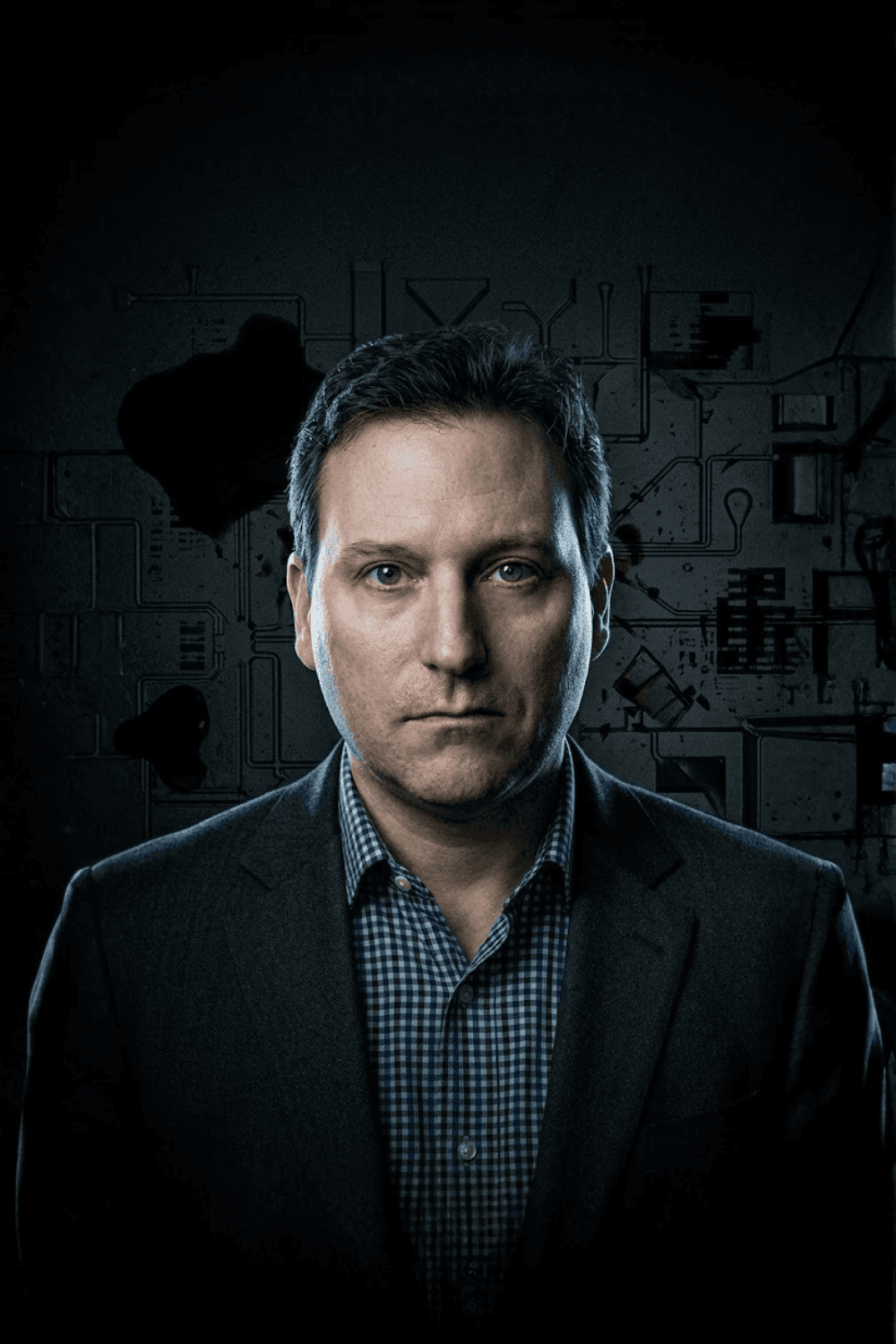
The carefully constructed facade collapsed when investigative journalist John Carreyrou began probing the company. Whistleblowers secretly communicated with Carreyrou using burner phones, providing him with internal emails and testing data that proved the Edison devices were a sham. In response, Theranos deployed an army of lawyers to intimidate the whistleblowers and their families, even attempting to force Tyler Shultz to sign an affidavit denying his involvement. Despite these intense legal threats, the investigation was published, exposing the profound discrepancies between the company marketing and its actual laboratory practices.
The public exposure triggered immediate regulatory intervention from the Food and Drug Administration and the Centers for Medicare and Medicaid Services. These agencies banned Holmes from operating blood laboratories, while massive corporate partners like Walgreens swiftly terminated their clinical contracts. The Department of Justice subsequently indicted Holmes and Balwani on charges of massive wire fraud, erasing the entire multibillion dollar valuation of the company. The Theranos scandal ultimately served as a severe indictment of the Silicon Valley startup culture that prioritized aggressive growth and hype over verifiable scientific reality.
Jump into the ideas before you finish the whole summary.