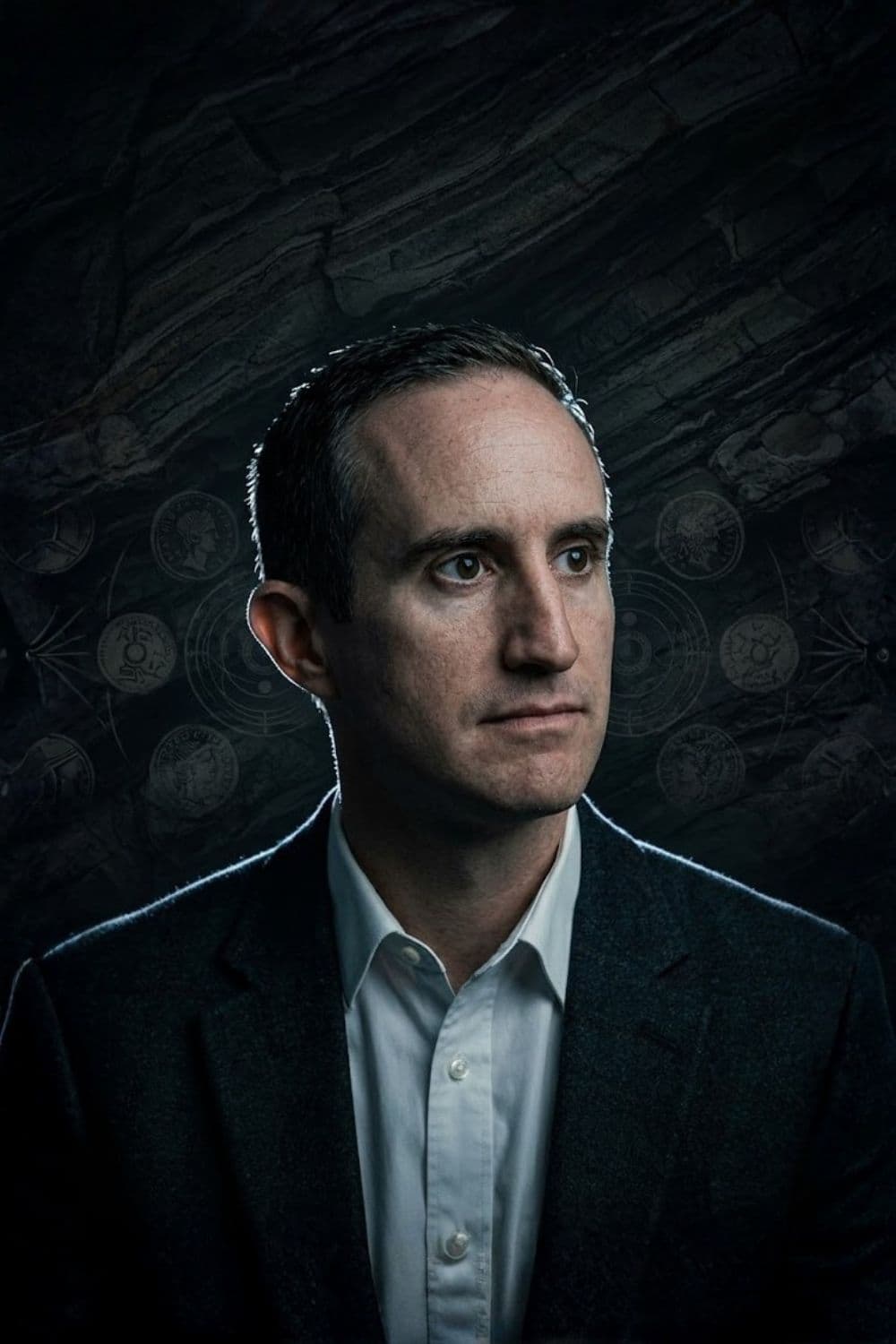
Morgan Housel
Humanity spends an inordinate amount of energy attempting to forecast the future. Yet the most consequential events are inherently unpredictable. Instead of agonizing over what will change in the coming decades, a more resilient strategy focuses on what will never change. Technologies, markets, and political regimes will evolve rapidly, but the underlying drivers of human behavior remain remarkably constant. Greed, fear, envy, and the desire for certainty repeat across generations. By anchoring decisions to these timeless psychological truths rather than fleeting trends, individuals and organizations can navigate extreme volatility with greater clarity.
People excel at preparing for known dangers, but true risk is whatever is left over after every conceivable threat has been accounted for. It is the blind spot that causes the most devastation. Because the most impactful events are complete surprises, attempting to predict them is a fundamentally flawed strategy. True risk management requires a shift from prediction to preparedness. This means maintaining margins of safety that feel almost excessive during normal times. Building financial and operational resilience ensures survival when an entirely unforeseen shock inevitably arrives.
The current state of the world often feels inevitable, but history actually hangs by a thread. The most monumental shifts in global affairs and personal lives frequently hinge on tiny, random events. A slight change in the wind direction or a momentary delay can alter the course of a war or an entire industry. Recognizing this extreme sensitivity to chance instills a necessary humility. It strips away the illusion of absolute control and reveals that success and systemic stability are often much more delicate than they appear from the outside.
Outcomes themselves do not determine human satisfaction. Happiness and contentment are entirely dictated by the space between reality and expectations. When expectations escalate at the exact same rate as wealth or success, the psychological benefit of progress is completely neutralized. Furthermore, human behavior is driven far more by envy than by absolute need. People assess their own standing relative to those around them. Managing expectations is therefore just as critical as managing tangible performance. Without a deliberate effort to keep expectations grounded, increasing resources will only yield increasing dissatisfaction.
Drawing from Hyman Minsky's financial instability hypothesis, periods of prolonged calm inherently plant the seeds of future chaos. When conditions are stable and prosperous, people naturally become optimistic. This optimism encourages increased risk tolerance and the aggressive accumulation of debt. Over time, this leverage renders the entire system exceptionally fragile. Thus, the absence of recessions actually creates the fundamental conditions for the next devastating crash. Understanding this cycle of elation and despair prevents the dangerous assumption that a peaceful environment reflects a permanent reality.
Human beings are not wired to process raw data or complex probabilities. They are moved by compelling narratives. The most persuasive story will consistently triumph over the most accurate statistic. This dynamic dictates the movement of financial markets, the success of political campaigns, and the mass adoption of new technologies. A market valuation is often just a current metric multiplied by an alluring story about tomorrow. Recognizing the disproportionate power of storytelling explains why irrational exuberance or unwarranted panic can grip the public consciousness despite objective evidence to the contrary.
There is a profound mismatch in the speed at which good and bad things happen. Bad news occurs instantly. A market crash, a natural disaster, or a sudden loss of institutional trust can materialize overnight, demanding immediate attention and inciting panic. Conversely, good news unfolds slowly. The miracles of economic growth, technological advancement, and compound interest build quietly over decades. This asymmetry explains why pessimism always sounds intelligent and urgent, while optimism seems dangerously naive. Meaningful progress is a long term phenomenon composed of countless tiny steps that remain virtually invisible in the short run.
Modern systems heavily prioritize optimization and the elimination of waste. However, the relentless pursuit of perfection strips away the essential slack required to absorb unexpected shocks. Systems designed without tolerance for error collapse completely under stress. Maintaining a degree of inefficiency, such as holding cash that loses value to inflation or allowing for unallocated time to think, provides crucial resilience. This slack acts as oxygen during a crisis. While inefficiency feels like a drag during periods of growth, it is the exact structural buffer required to survive deep downturns.
Stress and dire necessity are the most potent engines for human innovation. Periods of extreme difficulty, such as severe economic depressions or global conflicts, force rapid adaptation and problem solving that peaceful times simply cannot generate. Hardship focuses collective attention and violently eliminates bureaucratic inertia. The massive technological leaps that drive decades of subsequent prosperity are often forged in the darkest and most uncomfortable environments. Acknowledging this mechanism reframes difficulty not merely as a setback, but as the mandatory cost of meaningful systemic advancement.
Incentives wield an unparalleled influence over human action, routinely overriding intelligence, strict logic, and established moral boundaries. When rewards are severely misaligned, highly rational people will justify deeply irrational or unethical behaviors. Unsustainable trends and massive speculative bubbles can last far longer than logically possible simply because the active participants are heavily incentivized to keep them going. To understand why a seemingly broken system persists, one must look past the stated goals and meticulously examine the underlying incentives driving the individuals involved.
Committing to the long term is widely praised as an ultimate life and investment strategy. However, the long term is not a smooth, continuous path. It is simply a relentless collection of agonizing short term events that must be endured in real time. True long term thinking relies entirely on flexibility rather than strict scheduling. If a strategy depends on cashing out at a highly specific future date, it is inherently vulnerable. Survival requires the structural flexibility to weather deep drawdowns without being forced to abandon the foundational strategy. The ultimate prize goes to those who simply secure the ability to stay in the game.
While economies and markets eventually recover from catastrophic collapses, the psychological damage inflicted on the participants endures indefinitely. People who live through severe economic depressions, wars, or deep market crashes develop a permanent shift in their baseline risk tolerance. These emotional scars shape their financial decisions and entire worldview for decades after the objective physical danger has passed. Recognizing this phenomenon explains why different generations hold vastly different economic beliefs. Debates over risk and opportunity are rarely about objective facts. They are usually just people with different historical traumas talking past one another.
Jump into the ideas before you finish the whole summary.