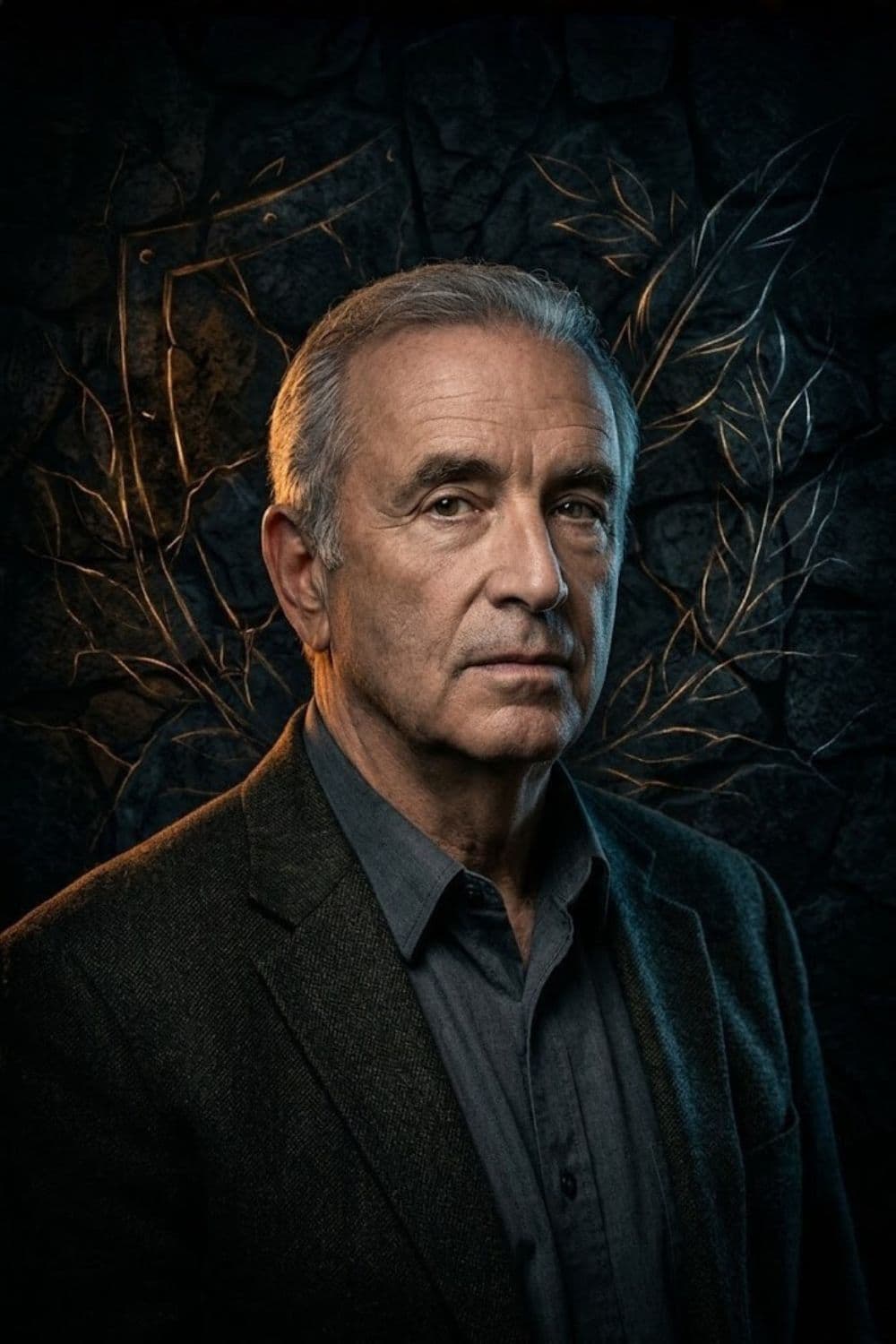
Steven Pressfield
Every individual harbors two distinct existences: the life that is actively lived and the unlived life containing the soul's latent potential. Standing between these two realities is an invisible, repelling force called Resistance. This force activates whenever an individual attempts an act that rejects immediate gratification in favor of long-term growth, moral elevation, or creative expression. Resistance is not simply laziness. It is an active, malevolent energy that seeks to stunt the human spirit and prevent the realization of one's unique genius.
Though it feels as if it comes from the outside, Resistance is entirely self-generated. It projects itself onto external circumstances, making it seem as though spouses, bosses, or bad luck are the barriers to creative action. In truth, Resistance is an internal engine of destruction that operates with the cold, impersonal indifference of a force of nature. It cannot be reasoned with or permanently defeated. Because it is an innate part of human psychology, the battle against this internal enemy must be fought anew every single day.
Resistance frequently disguises itself in the pursuit of seemingly constructive or dramatic behaviors to divert energy away from the actual work. Chronic self-dramatization, the cultivation of victimhood, and the endless pursuit of psychological healing are often elaborate delay tactics. While true healing is necessary, Resistance uses the endless dredging of past traumas to drain the psychic juice required for creation. By keeping the individual engaged in a perpetual state of emotional crisis or recovery, Resistance ensures the blank canvas remains empty.
Fear and self-doubt are not signs that an artist should abandon a project; they are infallible indicators that the project must be pursued. Resistance is fueled entirely by fear, meaning the level of fear an individual feels is directly proportional to the importance of the work. If an endeavor meant nothing to the evolution of the soul, it would generate no Resistance at all. Therefore, a profound sense of terror regarding a specific calling serves as a reliable compass, pointing exactly toward the work the artist is meant to accomplish.
Because raw fear would cause an individual to feel shame, Resistance employs rationalization to mask its true motives. Rationalization provides a series of highly logical, perfectly plausible justifications for delaying the work. These excuses are particularly dangerous precisely because they are often factually true. By presenting legitimate reasons to wait for a better time, rationalization prevents the artist from recognizing that cowardice is the true cause of the delay.
The central shift required to defeat Resistance is the transition from amateur to professional. The amateur pursues a calling for fun, waits for inspiration to strike, and overidentifies with the artistic output. The professional recognizes that the work is a daily obligation that must be executed regardless of mood, weather, or motivation. By adopting a blue-collar mentality toward the arts, the professional demystifies the creative process. This disciplined approach lowers the emotional stakes, preventing the paralyzing perfectionism that keeps amateurs from finishing their work.
To survive the inevitable rejection and humiliation inherent in creative pursuits, the professional creates a psychological barrier between the creator and the work. By treating the self as a corporation, the artist separates the consciousness running the business from the physical and emotional instrument producing the art. This deliberate detachment ensures that external criticism does not reinforce internal Resistance. The professional evaluates failures objectively and refuses to let the negative opinions of others define reality.
The physical act of sitting down to work every day transcends simple discipline. It functions as a ritual that signals a readiness to receive divine inspiration. The universe is not indifferent to creation; it contains unseen forces, angels, and muses that actively desire to help humans bring new life into the material sphere. However, these forces only engage when the artist demonstrates commitment through labor. Inspiration does not precede the work. Inspiration is the direct reward for the mundane, difficult act of showing up.
The internal battle of the artist is waged between two distinct parts of the human psyche: the Ego and the Self. The Ego is the conscious intelligence rooted in the material world. It fears death, desires tribal inclusion, and violently opposes any evolution that threatens its control. The Self is the deeper, unconscious center of the soul connected to the divine. Dreams, ideas, and intuitions flow from the Self. Resistance is the defense mechanism of the Ego, deployed specifically to prevent the spiritual growth that the Self desperately seeks.
While humans consciously fear failure, poverty, and isolation, the most profound terror is the fear of success. Individuals are secretly terrified of accessing their true power and becoming the realized beings they know they can be. This fear exists because achieving true self-realization requires leaving behind the comfortable, familiar structures of the tribe. To step into one's genius is to become estranged from the ordinary world, a prospect so frightening that many deliberately sabotage their own progress to remain safely hidden in the crowd.
Society naturally conditions individuals to define themselves by their rank within a hierarchy, constantly evaluating their worth based on the opinions of others. When an artist operates hierarchically, the work is instantly corrupted. The artist begins to pander, trying to anticipate what the market wants instead of exploring genuine internal passions. This outward-facing orientation causes the creator to act out of a desire for status and approval, ultimately leading to the production of hollow, inauthentic art.
The only sustainable path for the creator is to operate territorially. A psychological territory is a closed feedback loop that returns exactly as much energy as the individual puts into it, providing sustenance entirely independent of external validation. When an artist works territorially, the act of creation is performed purely for its own sake. The artist labors out of profound love for the craft, surrendering the fruits of the labor to the universe and completely detaching from the need for fortune, attention, or applause.
Jump into the ideas before you finish the whole summary.