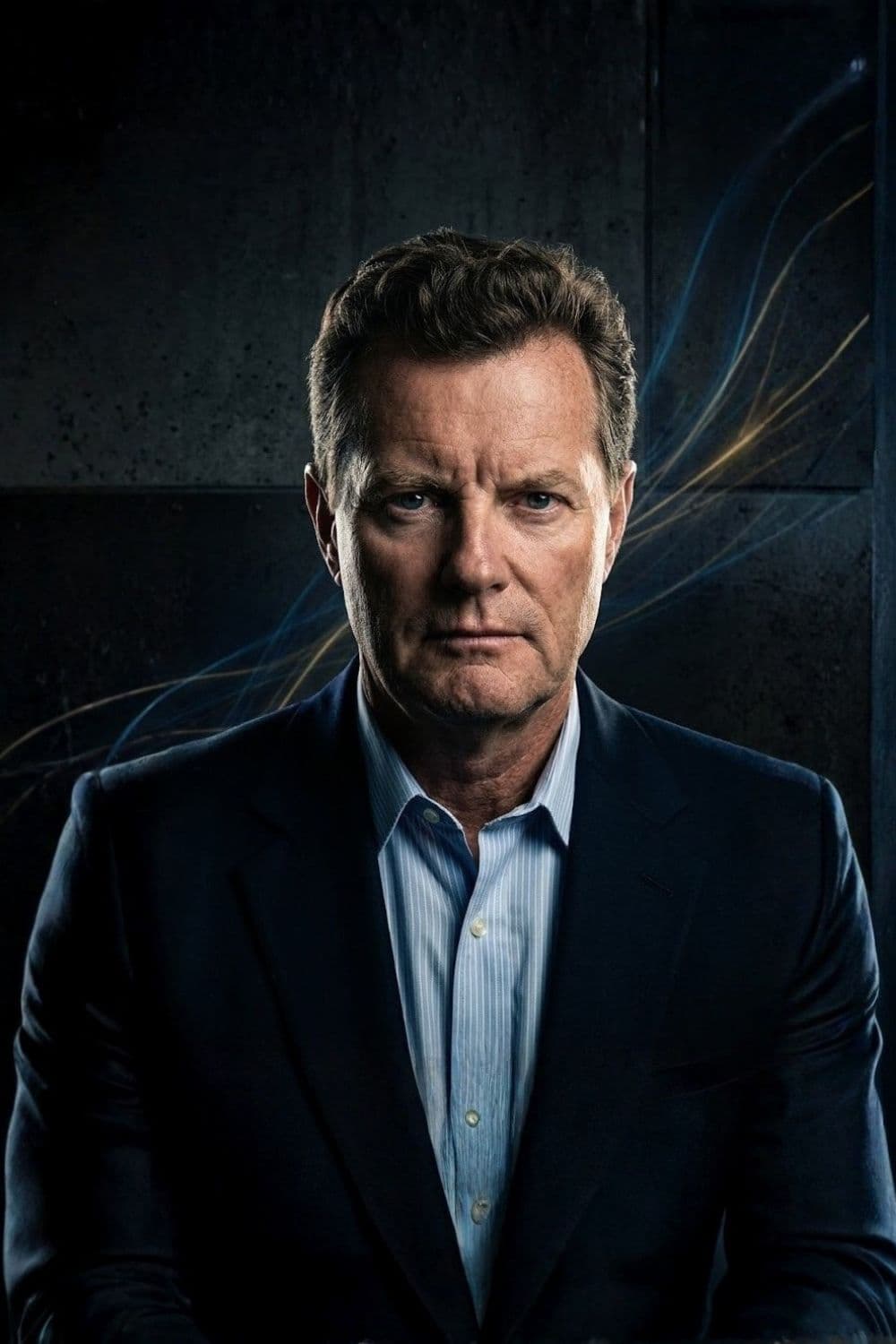
Frank Slootman
Organizations do not inherently stall because they lack a grand strategy or structural integrity. They stall because their internal standards are too low, their focus is too wide, and their tempo is too slow. The core mechanism of leadership is not to radically reinvent the business model but to engulf the existing organization with relentless energy. This requires a visceral intolerance for mediocrity and a daily cadence of choices that dictate what is prioritized and what is tolerated. By tightening the levers of expectation, focus, and urgency, leaders can drastically accelerate performance without making wholesale changes to the foundational business.
Incrementalism is the natural gravity of mature organizations, characterized by a lack of audacity and a desire to set safe goals based on minor improvements from the present state. Managers often project future success as a modest percentage increase over current metrics. This conservative mindset sucks the life force out of an enterprise. Instead of inching forward, organizations must determine the ultimate future state they wish to reach and work backward to the present. By defining the absolute limits of potential and demanding audacious leaps, leaders break the paralyzing grip of the status quo and force entirely new models of execution.
A company mission is not a marketing slogan but a visceral, operational tool used to align behavior and reject distractions. A highly effective mission must be big, clear, and explicitly entirely separate from financial outcomes, which are merely milestones. When a purpose is intensely defined, it serves as a protective shield against the constant barrage of well intentioned but irrelevant side projects. Any initiative that does not directly serve the core purpose is noise. Continually narrowing this aperture prevents the natural organizational tendency to lose focus and chase shiny objects.
The corporate world possesses a dangerous obsession with strategy while treating execution as a secondary, mundane task. However, strategy is meaningless if an organization lacks the muscle to execute it. A company must master fundamental execution first, as poor execution will cause even the most brilliant strategy to fail, leaving leadership unable to diagnose the root cause of the failure. Once a culture of disciplined, high performance execution is established, it clarifies the reality of the business. This clarity allows the execution engine to become a force multiplier for whatever strategic direction the company ultimately takes.
The workforce is starkly divided into two categories of people. Drivers are highly engaged individuals who take deep ownership of their projects, demand high standards, and draw satisfaction from forcing outcomes. Passengers are pleasant, compliant employees who gladly ride the company momentum but offer no original force. They often articulate problems well but take no personal risk in solving them. Passengers represent dead weight that inadvertently destroys organizational urgency. Leadership must actively celebrate and elevate drivers while decisively removing passengers from the ranks.
Tolerating mediocre performance is a failure of leadership, often driven by the friction of having to hire a replacement. To combat this, leaders must maintain an active, perpetual recruiting posture, building a deep bench of vetted candidates for critical roles long before a vacancy exists. When assessing talent, leaders should prioritize an upward trajectory, rapid learning aptitude, and sheer hunger over a traditional pedigree. If an employee is clearly failing to meet the raised standards, management must act swiftly to replace them with a superior candidate. Waiting for a miraculous turnaround wastes time and signals to the rest of the team that low standards are acceptable.
Organizations cripple themselves by spreading resources thinly across a massive backlog of parallel priorities. When everything is deemed a priority, nothing is actually a priority. Leaders must aggressively narrow the focus, forcing the organization to approach execution sequentially rather than in parallel. By asking teams to identify the single most critical initiative for the rest of the year, leaders strip away marginal tasks. This brutal distillation of priorities ensures that the entire intellectual and operational weight of the company is applied to a few bets that will fundamentally alter the trajectory of the business.
When confronted with friction, business leaders display an irrational confidence and immediately rush toward implementing solutions. This intellectual laziness leads to treating symptoms rather than root causes. Effective operators enforce a medical model of management, demanding rigorous diagnosis before any treatment is prescribed. By stripping problems down to their foundational first principles and ignoring historical biases, teams can accurately identify the true nature of the challenge. This deliberate slowing down during the analysis phase prevents the massive waste of time and resources that occurs when a company perfectly executes the wrong solution.
Corporate bureaucracy thrives on functional silos where communication must travel up and down the organizational chart through gatekeeping managers. This structure hoards power and dramatically slows down execution. To move at high velocity, a company must institute a culture where anyone has the explicit permission to speak directly to anyone else in the organization, regardless of rank or department. This horizontal communication model relies on a baseline of mutual trust, requiring all employees to assume good intent and respond to inquiries with immediate respect.
Speed is a manufactured mindset, and most organizations possess vast amounts of hidden slack. When an employee proposes a perfectly reasonable timeline to deliver a project, an effective leader will instantly challenge them to cut the time in half. Applying constant pressure to compress cycle times changes the internal tempo of the company. Waiting for perfect data or allowing meetings to end without immediate action items breeds lethargy. By injecting absolute impatience into every email, meeting, and project plan, leaders create an environment where speed becomes the default organizational reflex.
Divisions in corporate behavior are almost always a result of misaligned incentive structures. When functional leaders are compensated based on conflicting departmental metrics, the organization devolves into unproductive fiefdoms. Leadership must tie all executive compensation to a singular set of overarching outcomes, ensuring everyone succeeds or fails together. This shared fate extends to customer success. Creating a dedicated customer success department is a flaw because it gives every other team permission to stop caring about the user. True alignment requires that every employee, particularly those in engineering and product, bears the absolute burden of the customer experience.
When a company finally dials in its execution and tempo, it must direct that energy toward the market with asymmetric force. Direct assaults on popular, entrenched competitors are rarely successful. Instead, operators must attack structural weaknesses, targeting vulnerable incumbents with fundamentally superior architecture or overwhelming cost advantages. Furthermore, attempting to educate a market on an entirely new category is unnecessarily difficult. It is far more effective to attack an existing, well funded market with a radically better solution, targeting early adopters who possess the appetite to abandon the status quo.
Jump into the ideas before you finish the whole summary.