
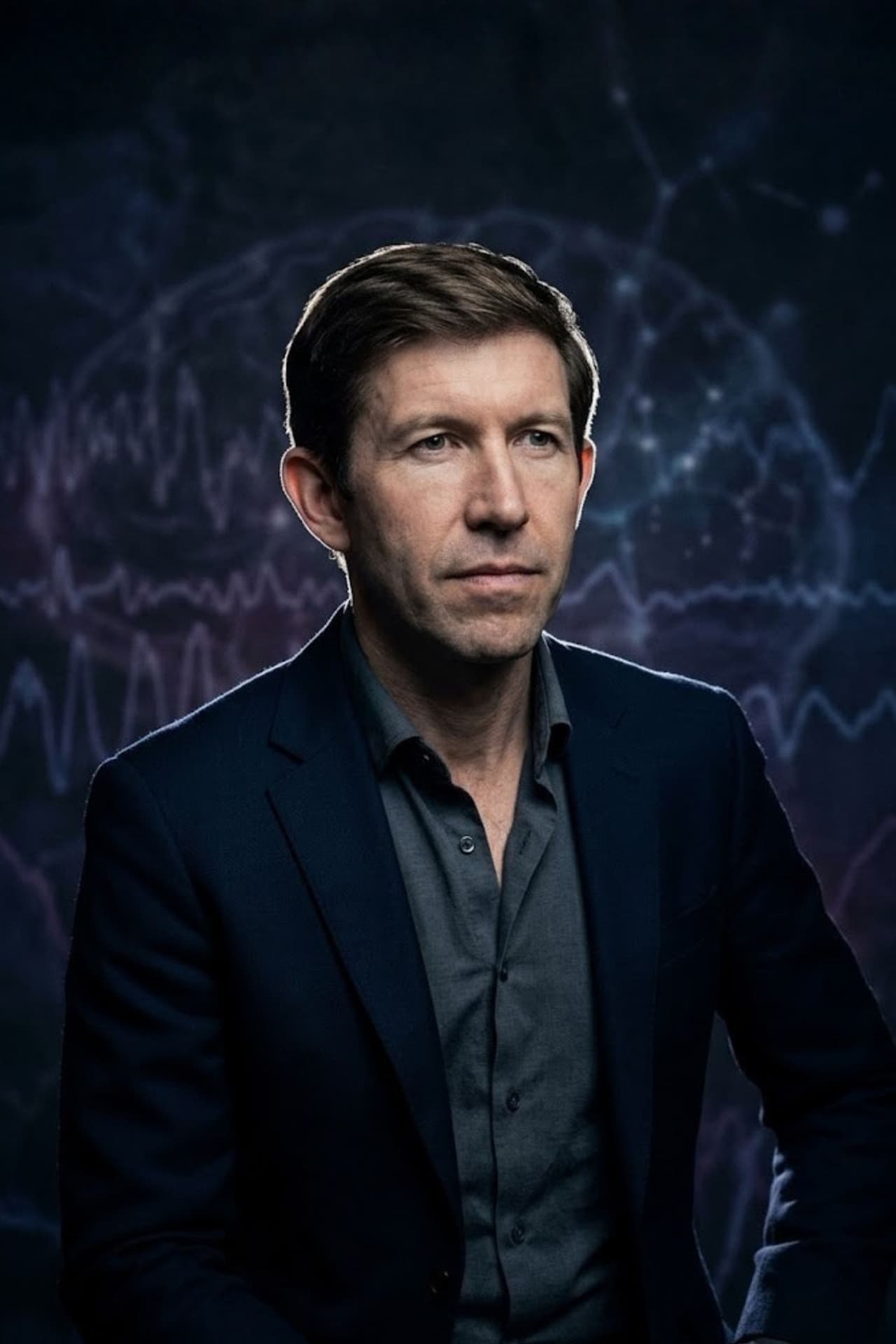
Matthew Walker
The human body relies on two distinct mechanisms to regulate sleep and wakefulness. The suprachiasmatic nucleus acts as a twenty-four-hour internal clock, using light cues to instruct the release of melatonin. This hormone signals the onset of darkness to the body but does not generate sleep itself. Simultaneously, adenosine builds up in the brain throughout waking hours, creating an accumulating chemical sleep pressure.
Caffeine artificially blocks this pressure by occupying adenosine receptors in the brain. By hijacking these sites, caffeine temporarily delays sleepiness without actually reducing the underlying chemical debt. Once the caffeine metabolizes, the accumulated adenosine floods the receptors, resulting in a sudden crash in energy.
Throughout the night, the brain alternates between non-rapid eye movement and rapid eye movement sleep phases in cycles of approximately ninety minutes. Deep non-rapid eye movement sleep dominates the early night, functioning to weed out unnecessary neural connections and transfer memories from short-term storage in the hippocampus to long-term storage in the cortex. This sensory blackout state allows the brain to solidify essential information.
Rapid eye movement sleep, which prevails later in the night, is characterized by brainwave activity remarkably similar to wakefulness. During this phase, the visual, motor, and emotional centers of the brain activate to integrate newly stored memories with past experiences. This associative processing facilitates problem-solving, creativity, and the development of new insights.
Sleep plays an active role in transforming unstable new memories into durable forms. Practice followed by sleep improves performance on motor skill tasks by selectively speeding up problem points within a motor sequence. This enhancement heavily correlates with late-night sleep spindles, which are bursts of electrical brain activity that trigger intracellular mechanisms required for synaptic plasticity.
Depriving the brain of sleep immediately following learning prevents this vital consolidation process. Memories formed without subsequent sleep remain weak and evaporate rapidly. The initial failure to consolidate these memories permanently blocks their storage, meaning that later attempts to catch up on lost sleep cannot recover the forgotten information.
During deep sleep, the brain initiates a critical sanitation process to clear out metabolic waste accumulated during waking hours. The brain's glial cells shrink significantly, allowing cerebrospinal fluid to wash through neural tissue and remove dangerous contaminants. This biological power cleanse is essential for maintaining neurological health.
One of the primary toxic proteins removed during this process is beta-amyloid, a core component in the development of Alzheimer's disease. Depriving an individual of deep sleep for just one night causes an immediate spike in circulating amyloid levels. Chronic sleep insufficiency prevents the glymphatic system from functioning properly, strongly escalating the long-term risk of neurodegenerative decline.
Routine sleep restriction initiates a cascade of physical health deterioration that spans the entire body. A lack of sleep disrupts blood sugar regulation and alters appetite-controlling hormones like leptin and ghrelin. This hormonal imbalance creates a potent chemical drive to overeat, simultaneously causing the body to deplete muscle mass and retain fat.
Furthermore, insufficient sleep severely strains the cardiovascular system. Short sleep durations are strongly linked to elevated resting blood pressure and a significantly increased risk of suffering a heart attack or stroke over the lifespan. The immune response is similarly compromised, with severe reductions in the body's ability to fight off simple bacterial or viral infections following just a single night of reduced rest.
Dreaming during rapid eye movement sleep acts as a form of overnight emotional therapy. By decoupling the visceral emotional charge from specific memories, the brain processes painful or intense experiences in a neurochemically safe environment. This divorce of emotion from experience allows individuals to learn from salient life events without being continuously overwhelmed by the original distress.
A full night of sleep restores the delicate balance between the highly reactive amygdala and the rational prefrontal cortex. When individuals are deprived of sleep, the amygdala becomes hyperactive, severely impairing emotional control and the ability to accurately read social cues. This dysregulation is also tied to increased impulsivity and an amplified response in the brain's reward centers.
While sleep is unquestionably vital for biological function, the relationship between sleep duration and mortality is highly complex. Large epidemiological analyses frequently reveal a non-linear correlation where both extremely short and unusually long sleep durations correlate with higher mortality rates. The lowest risk of mortality often appears among individuals sleeping near seven hours per night.
Broad claims asserting that shorter sleep guarantees a proportionally shorter lifespan fail to account for this nuance. Furthermore, the massive epidemiological studies used to support sleep guidelines rely heavily on self-reported data, which frequently overestimates actual sleep time. This calls into question rigid assertions that everyone inherently requires exactly eight hours of sleep to avoid severe health consequences.
Certain popular assertions regarding the absolute dangers of sleep loss overstate the established scientific consensus. For instance, the claim that sleeping fewer than six hours doubles the risk of cancer contradicts massive systemic reviews showing no such dramatic or causal association. Applying population-level correlations to assert guaranteed individual harm often crosses the line from science into alarmism.
Additionally, sleep deprivation is not universally detrimental in every clinical context. Supervised acute sleep deprivation can act as a rapid antidepressant for a significant subset of patients suffering from major depression. By artificially altering emotional brain activity, a night without sleep can temporarily lessen anhedonia and lift depressive symptoms, proving that the biological effects of sleeplessness are highly context-dependent.
Public discourse on sleep sometimes relies on manipulated data and fabricated authority to force a simpler, more frightening narrative. Instances exist where researchers have altered published graphs by removing data points that contradict a linear correlation between sleep loss and injury risk. Similar exaggerations include falsely claiming that global health organizations have formally declared a worldwide sleep loss epidemic.
These factual errors and data manipulations create unnecessary anxiety among the public. When individuals with healthy sleep patterns become alarmed by exaggerated claims, they often develop sleep-related anxiety and clinical insomnia. Overstating the risks of mild sleep reduction ultimately undermines the genuine, nuanced science of sleep architecture.
Environmental and behavioral factors heavily dictate the quality and continuity of restorative sleep. Artificial evening light, particularly blue light emitted by digital screens, suppresses the natural release of melatonin and fools the brain into believing the sun has not yet set. Maintaining complete darkness is critical for signaling the brain to initiate the sleep sequence.
Core body temperature must also drop significantly to allow the brain to transition into sleep mode, making cooler bedroom environments highly effective. Conversely, consuming alcohol before bed acts as a neurological sedative rather than a sleep aid. Alcohol artificially fragments rest and drastically suppresses the restorative dream states of rapid eye movement sleep, leaving the individual exhausted the next day.