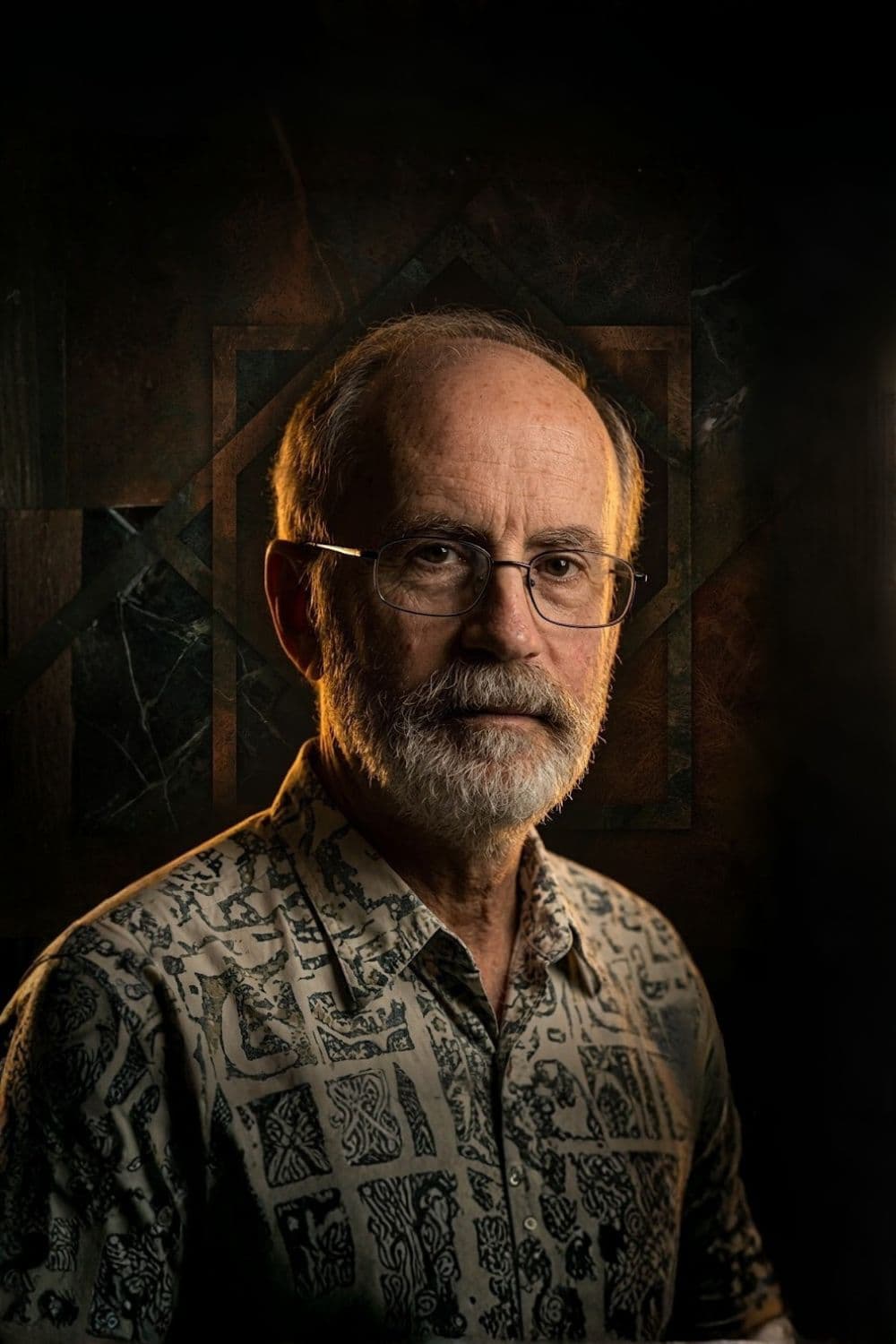
William B. Irvine
A fundamental premise of this philosophical framework is that human beings are at risk of misliving if they lack a coherent philosophy of life. Without a grand goal in living, individuals default to an enlightened hedonism, spending their days chasing an unexamined mix of affluence, social status, and transient pleasures. This default path eventually leads to the realization on one's deathbed that life was squandered on endless distractions. A practical philosophy provides both a hierarchy of values and a strategic architecture to attain what is ultimately deemed most valuable.
Ancient philosophical schools viewed their discipline not merely as an academic exercise, but as a practical method for existing in the world. After Socrates, a division occurred where some factions pursued pure theoretical speculation, while others embraced a strictly behavioral, ascetic lifestyle devoid of complex doctrine. Stoicism emerged as a synthesis of these two divergent paths. It provided a robust logical and physical framework that directly informed an actionable, daily lifestyle, transforming philosophical theory into a practical tool for survival and flourishing.
This modern adaptation introduces a distinct structural shift from its ancient origins. While traditional practitioners positioned virtue and practical wisdom as the supreme purpose of existence, this updated framework elevates tranquility to the highest good. Tranquility is defined not as a vegetative state, but as the active absence of negative emotions like anger, grief, anxiety, and fear, coupled with the presence of positive emotions such as joy. This structural pivot acknowledges that contemporary individuals are often more motivated to eradicate emotional suffering than to achieve ancient ideals of strict moral perfection.
Human beings are biologically wired to be insatiable, constantly adjusting to new levels of comfort and success. When individuals work intensely to acquire an object of desire, the initial satisfaction quickly decays into boredom, prompting the pursuit of even grander desires. This relentless cycle guarantees that pursuing external acquisitions will never yield lasting contentment. The philosophical remedy is to arrest this cycle by cultivating the ability to actively desire the things one already possesses, thereby short-circuiting the endless treadmill of acquisition.
To dissolve the effects of hedonic adaptation, the framework prescribes the deliberate contemplation of loss. By routinely imagining the destruction of one's possessions, the loss of a job, or the death of loved ones, a person forces an immediate recognition of impermanence. This cognitive mechanism serves a dual function. First, it extracts intense delight and gratitude from the present moment by exposing the fragile reality of current blessings. Second, it functions as a psychological rehearsal, building profound resilience that dampens the emotional impact when actual tragedy inevitably strikes.
Ancient practitioners divided the world into things completely within their control and things completely beyond it. This binary model is refined here into a trichotomy by introducing a middle category for events over which a person has partial control, such as a sports match or a career promotion. To engage safely with this middle category without jeopardizing tranquility, individuals must strictly internalize their goals. Instead of aiming to win the match, the goal becomes playing to the absolute best of one's ability, thereby shifting the measure of success from external outcomes to internal effort.
A core tension in maintaining emotional equilibrium involves managing one's relationship with time. The framework advocates adopting a strictly fatalistic attitude toward both the past and the immediate present. Because the past is physically unalterable, spending mental energy wishing it were different generates pointless distress. Similarly, the exact present moment is already actively unfolding and cannot be changed in the split second it occurs. By cultivating a love of fate, individuals learn to embrace current reality exactly as it is, rather than torturing themselves with hypothetical alternatives.
Comfort breeds fragility. To protect against the softening effects of modern convenience, the architecture demands the periodic, voluntary denial of pleasure. By occasionally skipping a meal, enduring cold weather, or abstaining from luxury, an individual builds psychological fortitude. This practice functions as an emotional vaccine, creating an immunity against future deprivations. Furthermore, constantly exercising willpower over base impulses proves to the individual that they are not a slave to their biological drives, which paradoxically unlocks a deeper capacity to enjoy simple physical realities.
Philosophical progress requires continuous, objective auditing of one's own behavior. This requires a daily meditative practice where the individual reviews the events of the day as a detached spectator. This involves critically examining emotional reactions, assessing whether reason or instinct governed behavior, and analyzing interactions with difficult people. By routinely asking what ailments were cured or what failings were resisted, the practitioner transforms abstract philosophical concepts into immediate, actionable self-correction.
Other people are simultaneously the greatest source of delight and the primary cause of negative emotions. The philosophy insists on a fundamental duty to participate in society and aid fellow humans, explicitly rejecting reclusive isolation. To navigate the inevitable friction of human interaction, the framework suggests adopting social fatalism. This means operating on the assumption that irritating individuals are biologically or circumstantially fated to act exactly as they do. Recognizing that their character flaws are not a conscious attack neutralizes the emotional sting and prevents their behavior from disrupting one's internal peace.
Interpersonal attacks are systematically deconstructed to eliminate their emotional weight. When insulted, the practitioner first evaluates the truth of the statement. If the insult is factually accurate, there is no logical reason for offense. If it comes from someone devoid of character, their disapproval should be welcomed rather than resented. When a response is required, the philosophy advocates using self-deprecating humor to disarm the attacker by amplifying the insult. Alternatively, maintaining absolute silence serves as the ultimate defensive posture, signaling that the attacker lacks the power to disturb the practitioner's internal state.
Extreme negative emotions are treated as cognitive failures that cloud rational judgment. Anger takes a trivial annoyance and inflates it into a day-shattering disaster, causing far more internal damage than the external event that triggered it. The architecture advises fighting the tendency to assume the worst about others' intentions and using forced physical calmness to defuse the biological markers of rage. Similarly, while shedding tears during grief is a natural biological response, reason must quickly intervene. The practitioner uses logic to boundary their suffering, recognizing that prolonged despair serves no rational purpose and betrays the joy of the life that was lost.
Jump into the ideas before you finish the whole summary.