
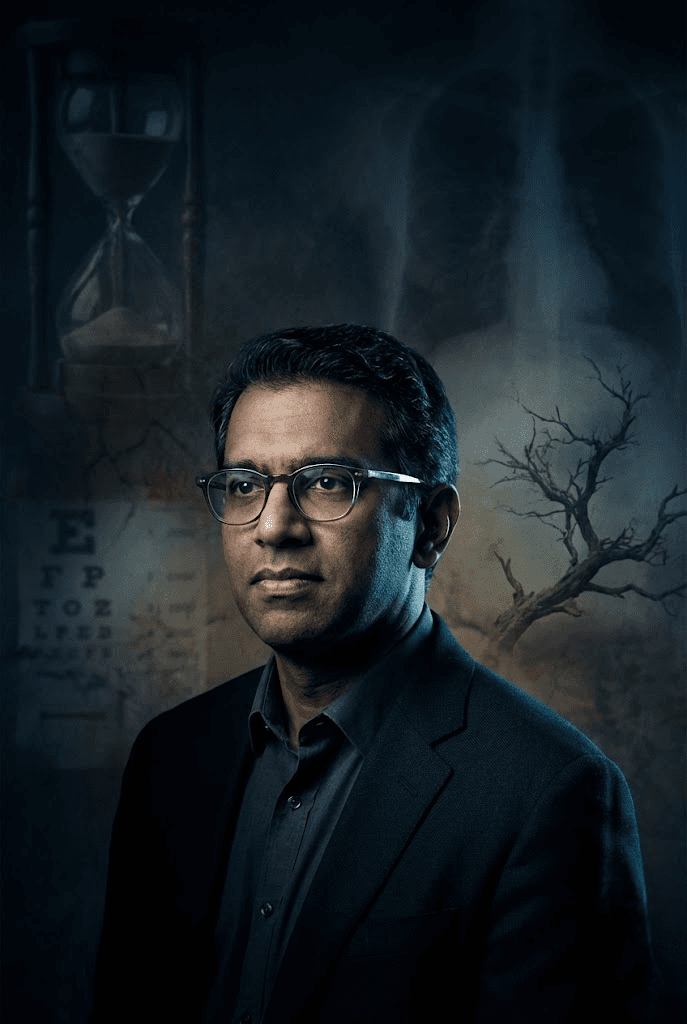
Atul Gawande
Modern medicine frequently treats aging and death as solvable puzzles rather than natural biological processes. This illusion of endless progress leads to aggressive and unnecessary treatments that rob patients of their dignity without extending meaningful life. Physicians often default to fixing acute problems, ignoring the reality that mere survival is not the only priority for those facing terminal decline.
Society venerates independence, but aging inevitably brings physical and mental decline that makes dependency unavoidable. The elderly prioritize maintaining control over their daily routines and personal choices, yet families frequently prioritize safety over autonomy. This tension results in seniors being placed in institutional settings that prioritize risk management while stripping individuals of their identity and freedom.
Traditional nursing homes operate as total institutions modeled on hospitals, prioritizing efficiency, safety, and hygiene over human joy. This strict regimentation fosters profound loneliness, helplessness, and boredom among residents. While early assisted living models sought to preserve privacy and self-determination, they frequently devolved into restrictive environments that mimic nursing homes in order to avoid institutional liability.
Radical interventions can restore meaning to institutionalized elders by combating the sterility of medicalized living. Introducing plants, animals, and children into nursing homes gives residents a renewed sense of purpose and spontaneity. These environmental changes yield measurable clinical improvements, including reduced use of psychotropic drugs, increased mobility, and lower mortality rates.
Families face immense emotional strain when forced to make critical medical decisions for loved ones without explicit guidance. When doctors present a menu of treatment options without offering a firm recommendation based on medical reality, surrogates often choose aggressive interventions out of guilt or fear. Honest conversations and advance directives alleviate this burden by clarifying exactly what physical and cognitive losses the patient is willing to accept.
Physicians often avoid discussing terminal prognoses because they view death as a professional failure and lack the vocabulary to navigate emotional distress. Instead of offering unrealistic hope or a detached list of options, doctors must actively listen to uncover a patient's deepest fears and goals. By understanding what makes life tolerable for the individual, physicians can transform their role from technicians into expert guides who tailor treatments to actual human needs.
Shifting medical focus from curative treatments to palliative care directly improves the end of life experience. Palliative approaches manage physical pain and alleviate suffering while allowing patients to remain at home and mentally present. Clinical data shows that patients who enter hospice care early often experience less depression, fewer hospital admissions, and in many cases survive longer than those who undergo late-stage chemotherapy.
Facing death requires the courage to acknowledge harsh realities and the strength to act upon them. Even highly trained medical professionals struggle to accept terminal diagnoses within their own families, initially grasping for improbable cures before recognizing the severe harm of prolonged intervention. Embracing mortality allows patients to secure moments of peace and connection, ultimately handing off their legacy to future generations on their own terms.
The clinical and philosophical exploration of end of life care inspired a comedy and drama film adaptation. Production halted midway through filming when a formal complaint regarding inappropriate physical behavior was filed against a lead cast member. The studio suspended filming indefinitely and launched an investigation, leaving the project unfinished as the filmmakers failed to secure replacement distribution or alternative financing.