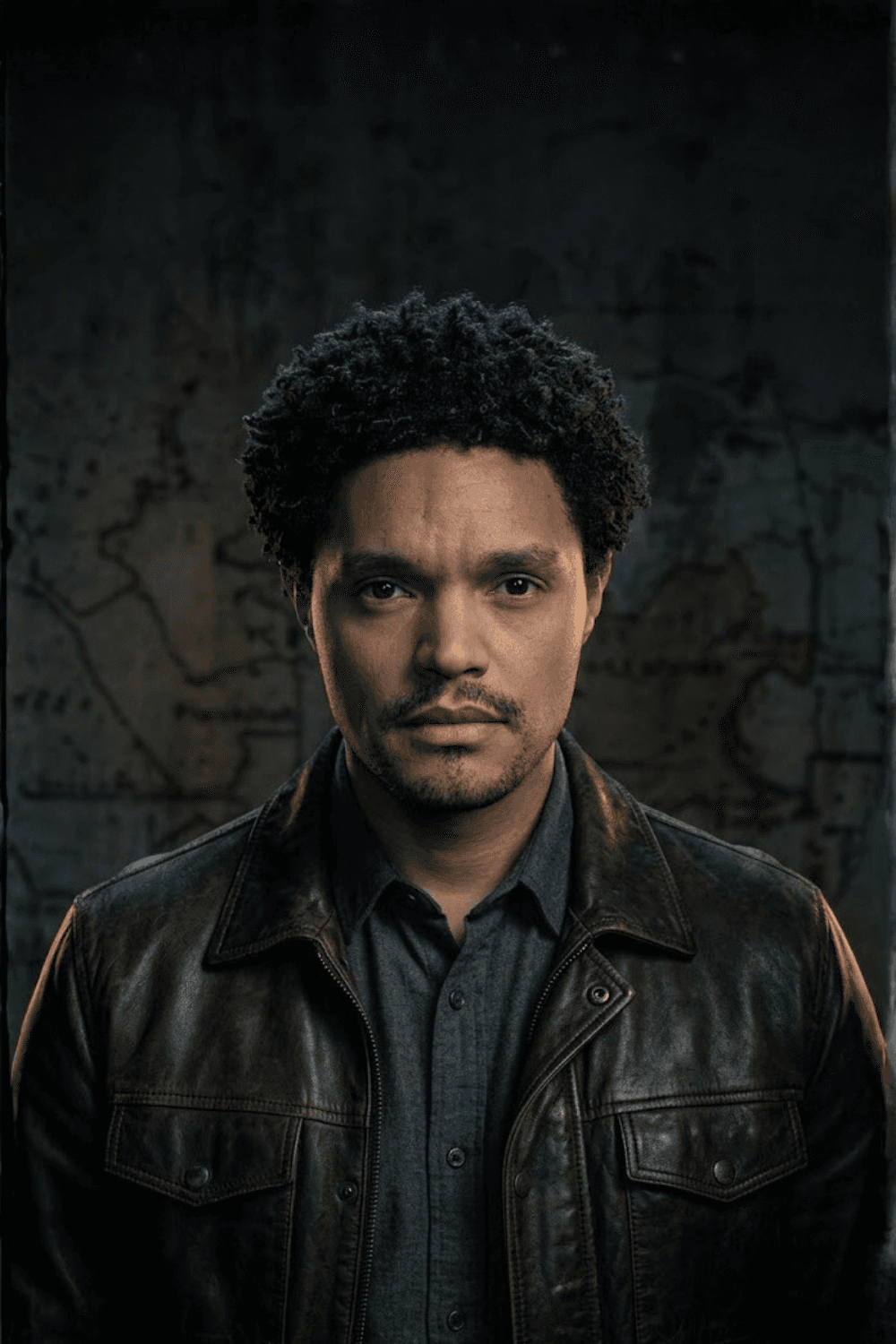
Trevor Noah
Apartheid functioned as an advanced system of institutional oppression. The South African government carefully studied segregation strategies globally to engineer a legally enforced racial hierarchy. This structure actively manufactured division among the oppressed majority, weaponizing existing tribal conflicts to prevent unified resistance. By segregating the Zulu and Xhosa populations and stoking historical grievances, the ruling minority maintained absolute control over the nation.
This legally mandated separation extended deeply into private life, strictly prohibiting interracial relationships. A child born to a Black Xhosa mother and a white Swiss father directly violated the foundational logic of apartheid. This forced parents to hide their mixed-race children to avoid arrest, illustrating the extreme reach of state control into the domestic sphere.
The legal framework of racial classification left mixed-race individuals entirely isolated. Neither fully accepted by white communities nor seamlessly integrated into Black populations, biracial children grew up lacking a clear societal position. The system was designed to separate people into rigid categories, rendering a mixed-race identity an anomaly that disrupted the state's racial logic.
To survive this isolation, developing a highly adaptable identity was necessary. A person had to observe the behaviors and cultural markers of different groups, transforming themselves to fit varying social environments. This fluid identity allowed individuals to move across hostile boundaries, ensuring safety in heavily segregated neighborhoods where physical appearance often dictated social allegiance.
Fluency in multiple languages served as an essential survival strategy. South Africa features eleven official languages, each carrying distinct social and economic power. Mastering Zulu, Xhosa, Afrikaans, and English provided the ability to manipulate social perceptions. When confronted by hostile individuals or law enforcement, quickly switching to their native tongue altered the power dynamic.
This linguistic agility actively short-circuited racist assumptions. A shared language fostered an immediate sense of kinship, overriding the visual differences that typically triggered suspicion or violence. By speaking the language of a potential aggressor, an outsider was instantly reclassified as a member of the ingroup, dismantling the superficial boundaries established by state propaganda.
Maternal figures often act as the primary architects of a child's worldview in oppressive environments. Defying the physical and psychological limitations imposed by the state requires raising children with a fierce sense of independence. Utilizing religion and education insulates children from surrounding poverty and violence, ensuring they understand their inherent value regardless of government classifications.
These teachings directly challenge the patriarchal norms of their environment. Instilling respect for women and pushing children to forge their own paths breaks cycles of generational trauma. Even while suffering severe domestic abuse, maintaining autonomy and guiding children to reconnect with estranged family members remains vital for their complete personal growth.
Comedy operates as a necessary mechanism for processing deep psychological trauma. Growing up surrounded by extreme poverty, domestic violence, and systemic disenfranchisement requires a tool to mitigate despair. Adopting a lighthearted approach reframes terrifying events, stripping painful memories of their paralyzing fear.
This comedic lens also serves to expose the inherent absurdities of institutional racism. By highlighting the contradictory and illogical rules of apartheid, humor dismantles the perceived authority of the oppressors. It allows victims to reclaim their narratives, transforming experiences of severe marginalization into testaments of human endurance.
Understanding an individual's personal trajectory requires a thorough grasp of the broader political environment. Daily life in South Africa was not merely influenced by systemic racism but strictly governed by it. The laws dictating movement, association, and economic opportunity fundamentally shaped every personal decision and family dynamic.
Historical preludes are necessary to contextualize individual actions. Without recognizing the intentional pitting of the Zulu against the Xhosa, sudden outbursts of tribal violence appear random rather than engineered. Recognizing the deep structural forces at play reveals how individual survival relies heavily on constant adaptation to shifting political landscapes.
Jump into the ideas before you finish the whole summary.