
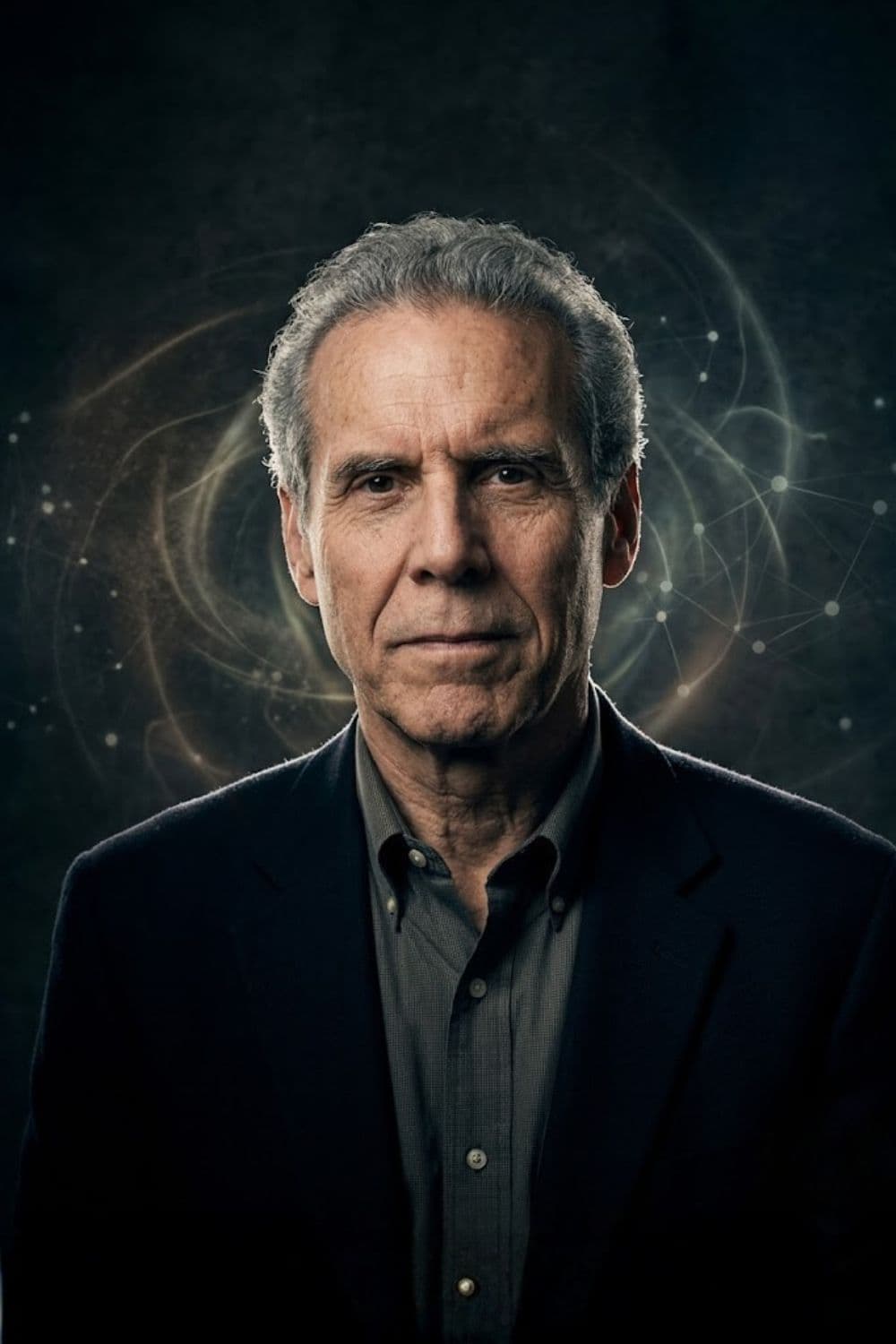
Daniel Goleman
Human emotions possess a deep evolutionary history rooted in the limbic system. Our emotional neural circuits developed over thousands of generations to ensure survival in primitive environments. While the human brain eventually developed a large neocortex responsible for rational thought, this newer structure does not completely govern emotional life. During intense situations, the brain defaults to its ancient emotional programming. Because the rapid rise of modern civilization outpaced our biological evolution, human beings frequently confront complex modern dilemmas using an emotional repertoire designed for prehistoric urgencies.
Intense emotional overreactions occur when the amygdala detects a perceived threat and overrides the rational brain. Sensory inputs travel directly from the thalamus to the amygdala along a rapid low road pathway. This allows the brain to trigger a fight, flight, or freeze response in milliseconds. The amygdala activates stress pathways and releases hormones before the slower frontal lobes can evaluate if the threat is genuine.
This neurological hijacking narrows attention and disables clear thinking. Individuals acting under the influence of an activated amygdala often exhibit reflexive behaviors like snapping in anger or freezing in panic. Because the reaction bypasses the thinking neocortex, people frequently feel surprised and embarrassed by their own impulsive choices once their rational processing comes back online.
Traditional measures of intelligence focus narrowly on cognitive capacity and academic prowess. However, cognitive intelligence alone fails to reliably predict professional success, life satisfaction, or healthy relationships. High cognitive intelligence offers no defense against unruly emotions or poor interpersonal judgment.
Emotional intelligence provides a broader metric for human capability. It measures the ability to process emotional information and utilize it effectively to make decisions, resolve conflicts, and motivate action. Individuals who skillfully identify and manage their emotional states consistently outperform those who rely strictly on technical skills and raw intellect.
Mastering emotional intelligence requires developing five specific competencies. Self-awareness involves recognizing internal moods and understanding how those feelings drive behavior. Self-regulation builds on this awareness, allowing individuals to control disruptive impulses and suspend judgment before acting. Motivation redirects emotional energy toward achieving goals despite setbacks and external frustrations.
The remaining competencies focus on external interactions. Empathy requires sensing and understanding the emotional makeup of other people. Social skill culminates this process by using emotional insight to build rapport, find common ground, and move others in desired directions. Together, these five pillars form the foundation for both personal resilience and effective social navigation.
Intense emotions alter human physiology by releasing hormones that prepare the body for immediate action. Regulating these states requires deliberately shifting both physical responses and mental focus. Techniques like deep diaphragmatic breathing reverse the physiological constriction of fear by slowing the heart rate and sending oxygen throughout the body. Physically stepping away from a stressful environment gives the brain the necessary time to let stress hormones subside.
Altering thought patterns also interrupts the momentum of a negative emotional state. Consciously reframing a problem from another perspective or naming the exact emotion out loud forces the rational neocortex to reengage. These deliberate interventions prevent the amygdala from maintaining absolute control, allowing rational thought to resume command over behavior.
Human beings are biologically wired to recognize and absorb the emotions of others. Infants react to the distress of other babies shortly after birth, demonstrating an innate capacity for empathy. The vast majority of an emotional message transmits nonverbally through facial expressions, posture, and vocal tone rather than spoken words.
When two people interact, their emotional states continuously influence one another through a process of emotional contagion. The person projecting the most active and expressive emotional state typically dictates the mood of the interaction. Individuals with high emotional intelligence utilize this contagion effect to set a positive emotional tone, effectively driving the emotional state of their peers and subordinates.
Outstanding organizational leadership relies heavily on emotional intelligence rather than mere technical expertise. Leaders must navigate ambiguity, manage rapid change, and retain talented employees in highly competitive environments. A leader who practices strict self-regulation creates an atmosphere of fairness and trust, which sharply reduces workplace politics and increases productivity.
Effective leaders also leverage empathy to understand the unvoiced concerns of their teams. By acknowledging fear and frustration during difficult transitions, a leader builds deep organizational commitment. Socially skilled executives build vast networks of mutual support, allowing them to rapidly assemble coalitions and drive strategic initiatives without relying solely on formal authority.
The separation between emotional distress and physical illness is a dangerous medical illusion. Chronic emotional turmoil inflicts measurable damage on the human body. Sustained anxiety and toxic anger actively suppress the immune system, leaving individuals highly susceptible to disease and infection.
Untreated depression impedes medical recovery and prolongs physical healing. Addressing a patient's psychological needs and teaching them to manage preoperative anxiety significantly improves medical outcomes. Treating emotional health as a vital component of physical medicine accelerates healing and strengthens overall biological resilience.
Severe early life adversity and chronic stress physically alter the circuitry of the developing brain. Sustained emotional abuse forces children to become hyper-alert to the moods of adults, sensitizing their amygdala to potential threats. This permanently lowers their threshold for emotional reactivity and makes them highly vulnerable to sudden emotional hijackings in adulthood.
Fortunately, the human brain retains plasticity and can be emotionally reeducated. Traumatic memories can be safely reconstructed in secure environments, allowing the brain to forge new, non-threatening associations. Through consistent mindfulness and therapeutic practice, individuals can strengthen the neural pathways between the prefrontal cortex and the amygdala, gradually restoring their capacity for emotional regulation.
Global economic shifts have drastically reduced the amount of time parents spend guiding the emotional development of their children. This widespread emotional neglect has produced generations of youth plagued by increased aggression, anxiety, and social isolation. Children lacking basic emotional literacy struggle to concentrate, cooperate, or manage their own distress.
To counteract this decline, educational systems must integrate emotional literacy directly into their core curricula. Teaching students how to control impulses, articulate their feelings, and resolve interpersonal conflicts improves overall academic performance. Cultivating emotional intelligence in the classroom ultimately builds the foundation for a cooperative and resilient adult society.
The explosive popularity of emotional intelligence has sparked significant debate regarding its scientific validity. Critics argue that the metrics used to calculate emotional quotients lack objective truth. Unlike traditional cognitive tests, emotional intelligence assessments often rely on consensus scoring, meaning answers are judged correct simply because a panel of experts or a focus group agrees upon them.
This methodology inherently favors conformity and punishes unconventional thinking. Furthermore, many criteria labeled as emotional intelligence heavily overlap with established personality traits like conscientiousness and emotional stability. Skeptics caution that while developing emotional maturity is undeniably valuable, the commercial industry surrounding emotional testing remains deeply flawed and scientifically inconsistent.