
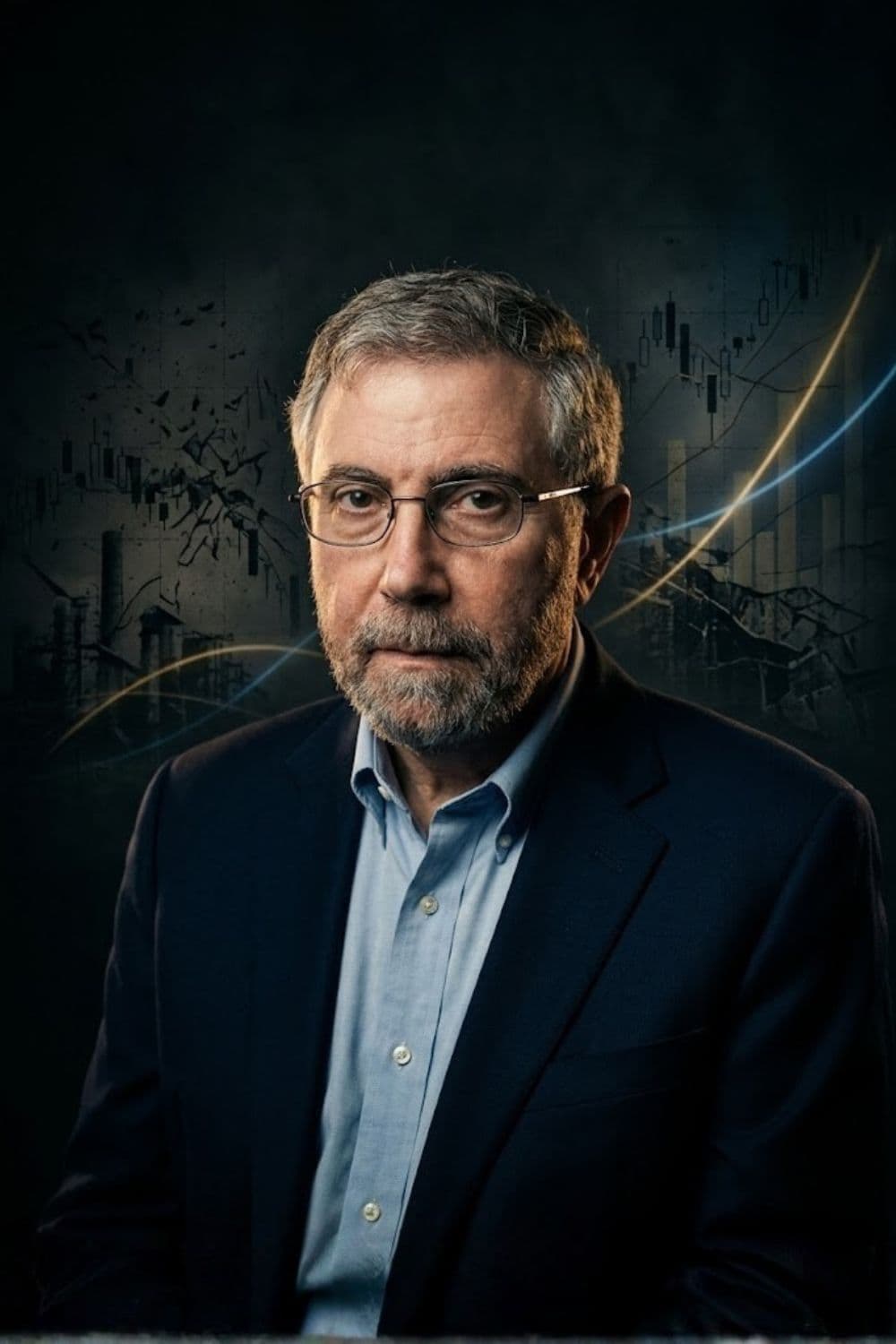
Paul Krugman
We are currently stuck in a prolonged period of economic misery that is entirely self-inflicted. The central argument Paul Krugman presents is that the financial crisis of 2008 plunged the global economy into a classic liquidity trap, a situation where the private sector is so obsessed with paying down debt that it refuses to spend, regardless of how low interest rates fall. This is not a structural problem with the American worker or a lack of technological innovation. It is a technical malfunction in the machinery of the economy: a massive shortfall in aggregate demand. When everyone tries to save at the same time, the economy shrinks, jobs vanish, and the savings everyone desires become impossible to accumulate. This is the paradox of thrift. The tragedy is that we know how to fix this. The solution is not to suffer through it but to overwhelm the problem with force.
One of the most dangerous errors in modern policy is the belief that governments should tighten their belts when the economy crashes. Krugman aggressively dismantles the arguments of "deficit hawks" who claim that slashing public spending during a slump will inspire business confidence. He mocks this as belief in a Confidence Fairy - a magical entity that will reward fiscal masochism with economic growth. History and data prove the opposite. When the government cuts spending during a depression, it withdraws demand from an already starving economy. This leads to a vicious cycle where austerity shrinks the economy, lowers tax revenues, and actually makes the debt burden worse relative to GDP. The panic over debt in a liquidity trap is a phantom menace; the real enemy is unemployment and the waste of human potential.
The way out of this trap is simple, brute-force Keynesianism. Because the private sector cannot and will not spend, the government must become the spender of last resort. We need aggressive fiscal stimulus - spending on infrastructure, aid to states, and direct job creation. History provides the ultimate proof of this concept: World War II. The Great Depression did not end because of market adjustments; it ended because the U.S. government engaged in a massive, deficit-financed spending program to fight the war. This created full employment and ignited a boom that paid down the debt ratio over time. We do not need a war to achieve this; we simply need the political will to spend money on useful things rather than letting our infrastructure crumble while workers sit idle.
Krugman’s crusade is not just against politicians but against a large faction of the economics profession. He argues that modern macroeconomics went off the rails during the "Dark Age" of the last thirty years, where elegant mathematics replaced historical reality. He targets the "freshwater" economists and efficient market theorists who assumed that markets are always rational and that involuntary unemployment is impossible. Critics like John Cochrane fire back, arguing that Krugman ignores decades of financial theory and that his calls for stimulus are based on outdated 1930s logic that ignores the long-term costs of debt. This is a bitter war over the soul of economics: Krugman views his opponents as intellectually dishonest apologists for inequality, while his detractors view him as a politicized polemicist who has abandoned scientific rigor for partisan advocacy.
While Krugman champions fiscal stimulus, others argue he misses critical pieces of the puzzle. Monetarists like Scott Sumner argue that the Federal Reserve, not the government budget, holds the key. They contend that the central bank never truly ran out of ammunition; it simply failed to adopt aggressive targets like Nominal GDP targeting, effectively allowing the economy to crash through negligence. Furthermore, critics point out that Krugman’s analysis often glosses over the structural roots of the debt crisis, specifically the massive trade imbalances between debtor nations like the US and creditor nations like China and Germany. Stimulating demand in the US without addressing these global imbalances might simply lead to more debt and imported goods, failing to solve the underlying fragility that caused the crisis in the first place.