
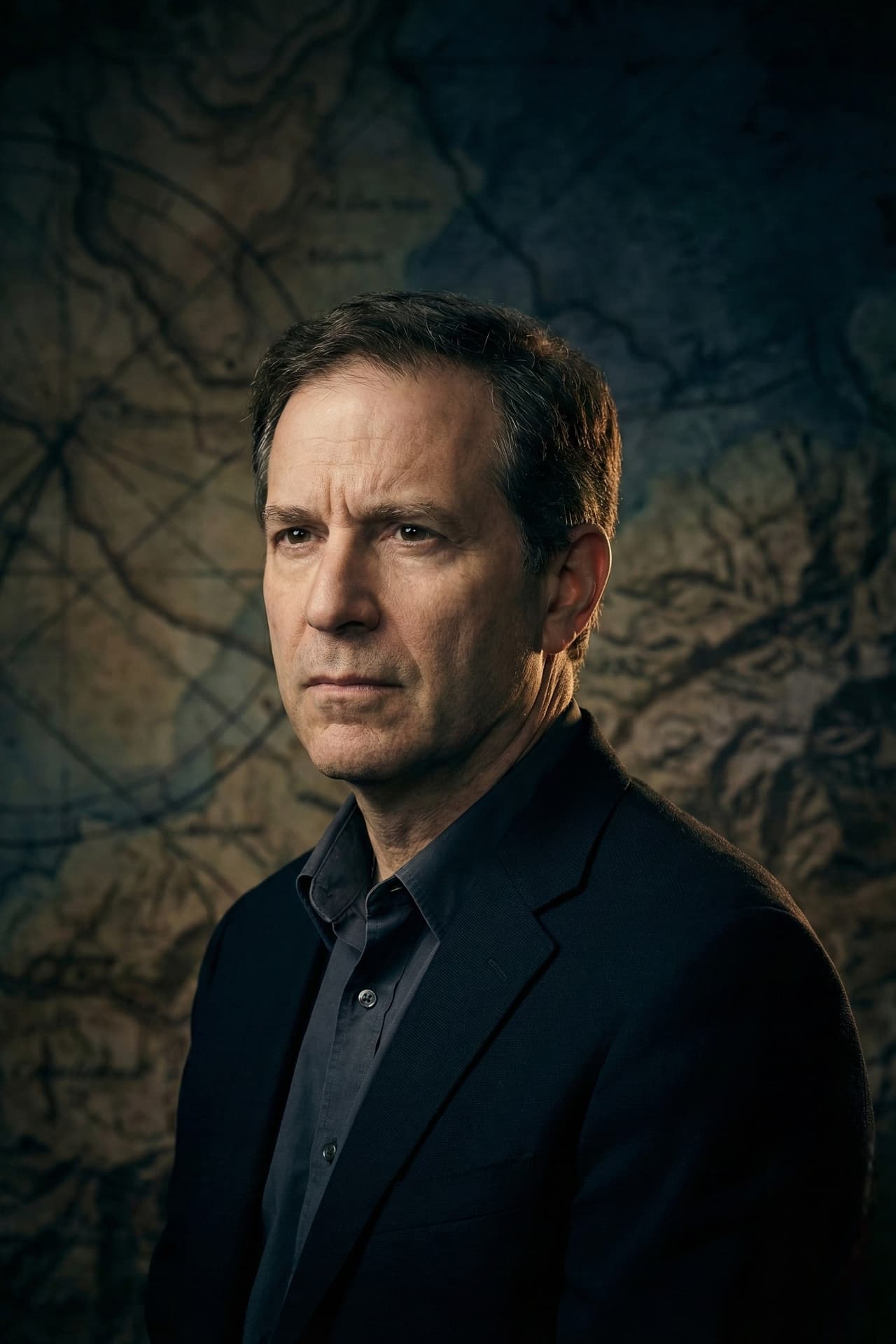
Robert D. Kaplan
Physical geography dictates the political and military behavior of nations. Mountains, rivers, deserts, and oceans form enduring boundaries that shape human interactions and state strategies. Even in an era defined by rapid technological advancement and global economic integration, the fundamental contours of the earth constrain foreign policy. Leaders who ignore these topographical realities risk strategic failure, as the map constantly reasserts its influence over human affairs.
Early twentieth century theorists established geopolitical frameworks that remain highly predictive. The Heartland theory posits that control over the vast, landlocked center of Eurasia ensures global dominance, as it provides a secure fortress rich in resources. Conversely, the Rimland theory emphasizes the strategic value of the coastal peripheries surrounding the Eurasian landmass. Navigating the tension between the entrenched land powers of the interior and the maritime powers patrolling the coasts provides a blueprint for understanding modern global conflicts.
A severe lack of natural boundaries defines the Russian landmass. The vast, flat expanse of the Eurasian plain has historically left the nation vulnerable to devastating invasions from both the east and the west. This geographical exposure breeds a deep national paranoia and drives a continuous foreign policy imperative to expand outward. By dominating neighboring states, Russia seeks to construct a protective buffer zone to offset its topographical defenselessness.
China benefits from a highly advantageous geographic position, featuring fertile river basins shielded by formidable mountains and vast deserts. Having largely secured its land borders, the Chinese state can now direct its resources outward to project power across the maritime domain. The aggressive development of naval capabilities in the coastal waters aims to break through the chain of surrounding islands that restrict Chinese access to the broader Pacific Ocean.
The United States possesses the ultimate geographic advantage due to its isolation between two massive oceans. This vast maritime buffer protects the homeland from conventional military invasions while providing direct access to the primary arteries of global trade. Relieved of the constant existential threats faced by landlocked nations, the American military can operate as an expeditionary force, projecting power globally to maintain a favorable balance of power.
The fractured topography of the Middle East directly contributes to its chronic political instability. The region is characterized by stark divides between arid deserts and fertile river valleys, which have historically cultivated deep ethnic and religious divisions. Western attempts to impose highly centralized, artificial states upon this rugged and disparate landscape routinely collapse under the weight of these entrenched local identities.
The rapid migration of rural populations into overcrowded urban centers creates fertile ground for radicalism. In developing nations, these massive megacities suffer from severe resource shortages and a breakdown of traditional social authority. The resulting poverty and alienation drive individuals toward extreme political and religious ideologies, transforming dense urban spaces into volatile geopolitical flashpoints.
Europe is defined by a highly irregular coastline and an interior fragmented by dense mountain ranges and complex river systems. This segmented geography historically nurtured a wide array of distinct cultures and independent states, driving intense competition and military innovation. These same physical barriers make political and economic unification exceedingly difficult, ensuring that internal divisions constantly threaten continental stability.
As populations explode and weapons technologies extend their reach, the geographical space available for strategic maneuvering is rapidly disappearing. The deployment of ballistic missiles and the proliferation of advanced military technologies dictate that distant nations now pose immediate threats to one another. This intensifying proximity forces great powers into a delicate and highly volatile balance of terror, where geographical constraints amplify the consequences of diplomatic failure.