
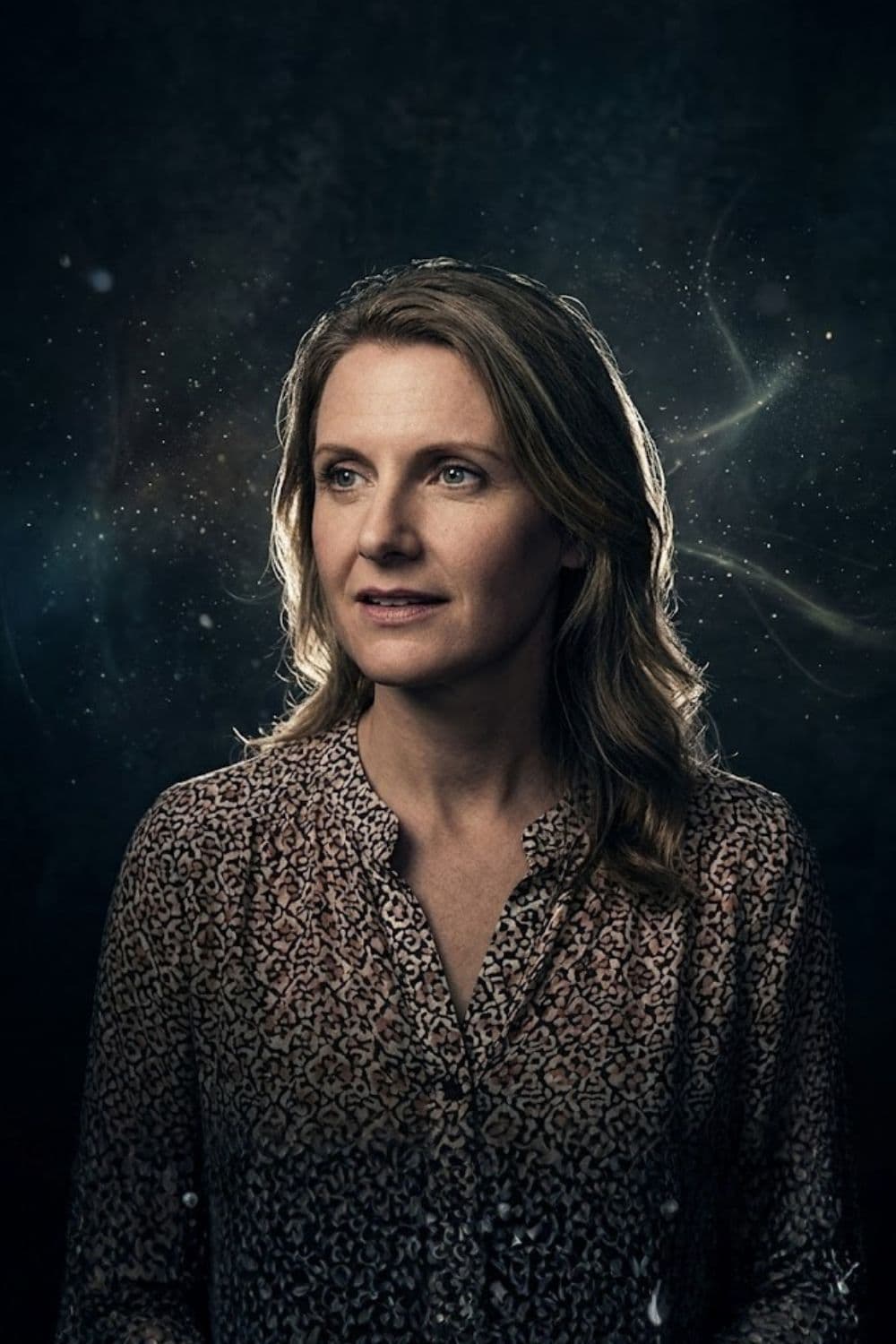
Elizabeth Gilbert
Creativity operates as a mystical force rather than a mere byproduct of human intellect. This force constantly seeks out humans to help bring creative visions into the physical world. Instead of viewing creativity as a rare talent reserved for professional artists, individuals can embrace it as a universal human trait and an enriching way of life. Engaging with this force requires cultivating an open, joyful relationship with inspiration rather than treating it as a burden or a grueling test of worth.
Ideas exist as living, energetic entities completely separate from humans. They possess consciousness and actively seek out willing human partners to manifest them into reality. When an idea visits a person, that person must decide whether to accept or reject the collaboration. Rejecting the idea prompts it to leave and find another creator, which explains the phenomenon of multiple discovery where different people arrive at the same concept simultaneously. Accepting the idea requires entering into a committed contract to see the project through to completion.
Fear predictably arises during any creative pursuit because creativity demands stepping into realms of uncertain outcomes. Since the human brain evolved to associate uncertainty with danger, fear activates to protect the individual. Attempting to eradicate fear only strengthens it and stalls the creative process. Creators must instead acknowledge fear and invite it along for the journey while firmly denying it the power to make decisions or dictate the direction of the work.
Many individuals delay their creative ambitions because they believe they need external validation or formal authorization. Waiting for approval from gatekeepers or accumulating formal degrees in the arts only creates unnecessary barriers. Every human inherently possesses the right to create, making external permission obsolete. Declaring personal intent and accepting creative entitlement allows individuals to bypass artificial hurdles and immediately begin producing work.
Perfectionism functions as a sophisticated manifestation of fear masquerading as high standards. It paralyzes creators by convincing them that anything less than flawless execution will result in humiliation and failure. This mindset prevents work from being finished or even started. Abandoning the need for perfection enables creators to release their work into the world quickly and consistently. Producing imperfect work generates momentum, which ultimately proves far more valuable than endless, anxiety driven revisions.
Treating personal brilliance as an inherent trait creates immense psychological pressure. When creators believe they are solely responsible for their successes and failures, they risk developing inflated egos or paralyzing self doubt. Adopting the ancient Roman concept of an external genius shifts this dynamic. Viewing genius as a guardian spirit that occasionally visits removes the burden of total responsibility, allowing individuals to focus entirely on the labor of their craft without attaching their self worth to the final outcome.
Western culture romanticizes the suffering artist, promoting the destructive belief that anguish fuels great art. This stereotype encourages creators to embrace misery, instability, and poor health under the false assumption that these conditions guarantee authenticity. Rejecting this myth allows individuals to approach their work with a sense of playfulness and curiosity. Creativity thrives in an environment of lighthearted discipline, whereas unnecessary suffering only sabotages the creator and degrades the quality of the work.
Relying on art to pay the bills places immense financial stress on the creative process. This pressure often forces creators to compromise their artistic integrity to produce marketable work. Keeping a steady day job removes the burden of financial survival from the art itself. A reliable income provides the security necessary to take creative risks, experiment freely, and protect the joy of making from the relentless demands of capitalism.
Every path in life carries its own specific brand of hardship and irritation. The romanticized vision of a full time artist ignores the stark realities of financial instability, frequent rejection, and exhausting hustle. Aspiring creators must evaluate which type of discomfort they are most willing to tolerate. Choosing the security of a traditional job while pursuing art on the side is a valid strategy that protects mental health and sustains long term creative endurance.
Creators frequently paralyze themselves by anticipating the harsh judgments of their audience. In reality, audiences are largely preoccupied with their own lives and pay minimal attention to the flaws in others' work. Realizing that nobody is actually agonizing over a creator's mistakes liberates the individual from the fear of public failure. Success should be measured by the personal fulfillment derived from the act of creation itself, rendering external criticism fundamentally irrelevant.