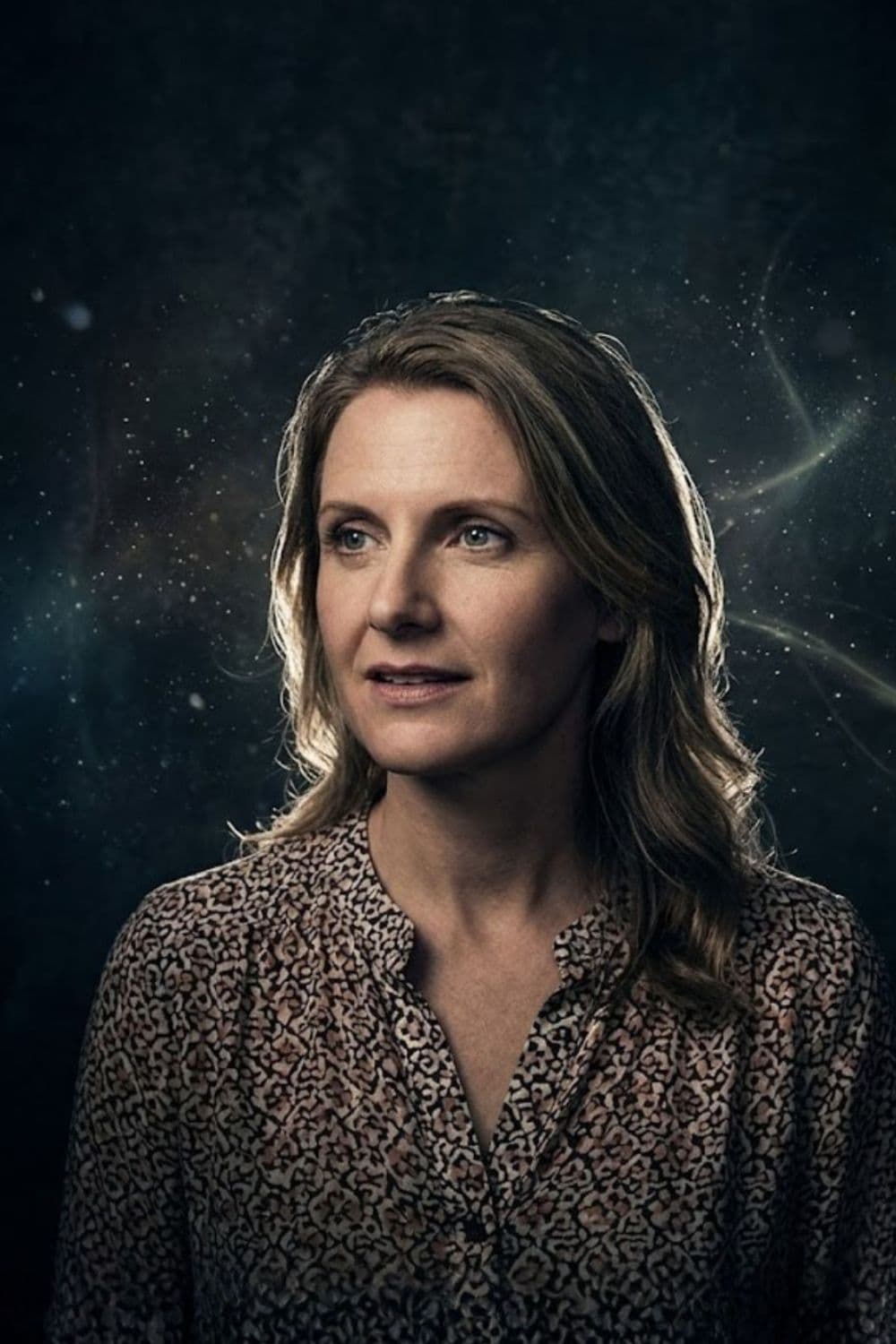
Elizabeth Gilbert
Creative living does not demand a life dedicated exclusively to the arts or a pursuit of fame. It is defined simply as a life driven more strongly by curiosity than by fear. Creativity is a universal human impulse, an inherent birthright rather than a rare talent bestowed upon a chosen few. For most of human history, people simply made things without treating the act as a monumental burden. Returning to this state requires recognizing that the act of creation is entirely natural.
Inspiration operates as a distinct, living entity that exists independently of human beings. Ideas possess consciousness and actively seek human collaborators to bring them into reality. When an idea visits, it waits for the creator to notice and accept the partnership. If the human ignores the call, becomes distracted, or delays the work, the idea will eventually depart and seek another vessel. This mechanism explains the phenomenon of multiple discovery, where different individuals in separate locations arrive at the identical concept at the same time.
The modern conception of genius traps creators by making them the sole source of their own brilliance. Returning to the classical Roman perspective offers liberation. In this older model, a person is not a genius but rather has a genius, an external guardian deity or daemon that dwells in the walls of the home and occasionally assists in the labor. Externalizing the source of inspiration removes the crushing pressure of ego and expectation. When a work succeeds, the creator shares the credit with this unseen force, and when a work fails, the creator is shielded from total devastation.
Fear is an inevitable companion to creativity, but the goal is not to conquer or eliminate it. True courage involves acknowledging fear and allowing it to exist alongside the creative process. In the vehicle of a creative life, fear is permitted to ride in the backseat and even provide input, as it serves as a reminder of what the creator cares about. However, fear is strictly forbidden from grabbing the steering wheel or determining the route. This peaceful coexistence allows the creator to move forward without being paralyzed by the inner critic or the dread of failure.
The romanticized contract of the tormented artist dictates that suffering, addiction, and self-destruction are badges of creative legitimacy. This martyr mindset requires the artist to bleed for their work, clinging rigidly to principles regardless of the personal cost. The alternative is to adopt the mindset of the trickster. The trickster approaches the creative process with lightness, irreverence, and a playful spirit. By rejecting unnecessary suffering and refusing to treat creativity as a heavy burden, the trickster ensures longevity, mental health, and actual enjoyment in the act of making things.
Creators often trap themselves by demanding that their work serve a noble, moral purpose or actively help other people. This heavy intention exhausts the creator and places an uncomfortable strain on the audience. Art is not required to be important, original, or to change the world. The simple desire to make something because it brings personal joy or satisfaction is entirely sufficient. Relieving the work of the obligation to be profound allows the creator to experiment freely and authentically.
Society frequently conditions individuals to wait for external validation or official permission before declaring themselves creators. This often manifests in the pursuit of expensive academic degrees or titles to legitimize a passion. In reality, life experience provides the only necessary foundation for artistic expression. True creators grant themselves permission to work, bypassing the gatekeepers and ignoring the judgment of others. The realization that nobody is actually paying attention to your creative missteps becomes a deeply liberating force.
Forcing creativity to pay the rent places a tremendous and unfair burden on the artistic impulse. Demanding that art provide financial security often stunts the creative process and leads to resentment or compromised ideals. A more sustainable approach is to maintain a separate day job that supports the creator financially, allowing the art to remain free, wild, and unburdened by commercial expectations. This dynamic resembles an illicit affair, where the creator steals moments of passion with their art outside the mundane responsibilities of daily life.
The cultural mandate to follow your passion is often intimidating and inaccessible, appearing as a distant, roaring flame that demands total upheaval and sacrifice. Curiosity offers a milder, quieter, and more democratic alternative. It asks only if there is a tiny, mundane spark of interest worth investigating. Following these small threads of curiosity lowers the stakes of the creative journey. Over time, quietly pursuing what seems mildly interesting can naturally evolve into a deeply fulfilling creative life.
Perfectionism functions merely as fear dressed in sophisticated clothing, actively preventing creators from finishing their work. Embracing the philosophy that a completed project is inherently superior to a perfect but unfinished one is vital for survival. Creators must be willing to ship flawed work and expose themselves to the certainty of failure. When failure inevitably occurs, the necessary response is to refuse to dwell on the disappointment and immediately redirect focus into the next creative endeavor.
The philosophical core of the creative life is a deliberate paradox. The creator must care about the work with absolute devotion while simultaneously not caring about it at all. Art is portrayed as a sacred communion with the divine, yet it is also a completely frivolous and unnecessary human pastime. Holding these two contradictory truths together allows a person to pour their entire soul into mastering a craft without being crushed by the outcome. Only by balancing intense dedication with complete detachment can the creator invite true magic into the process.
Jump into the ideas before you finish the whole summary.