
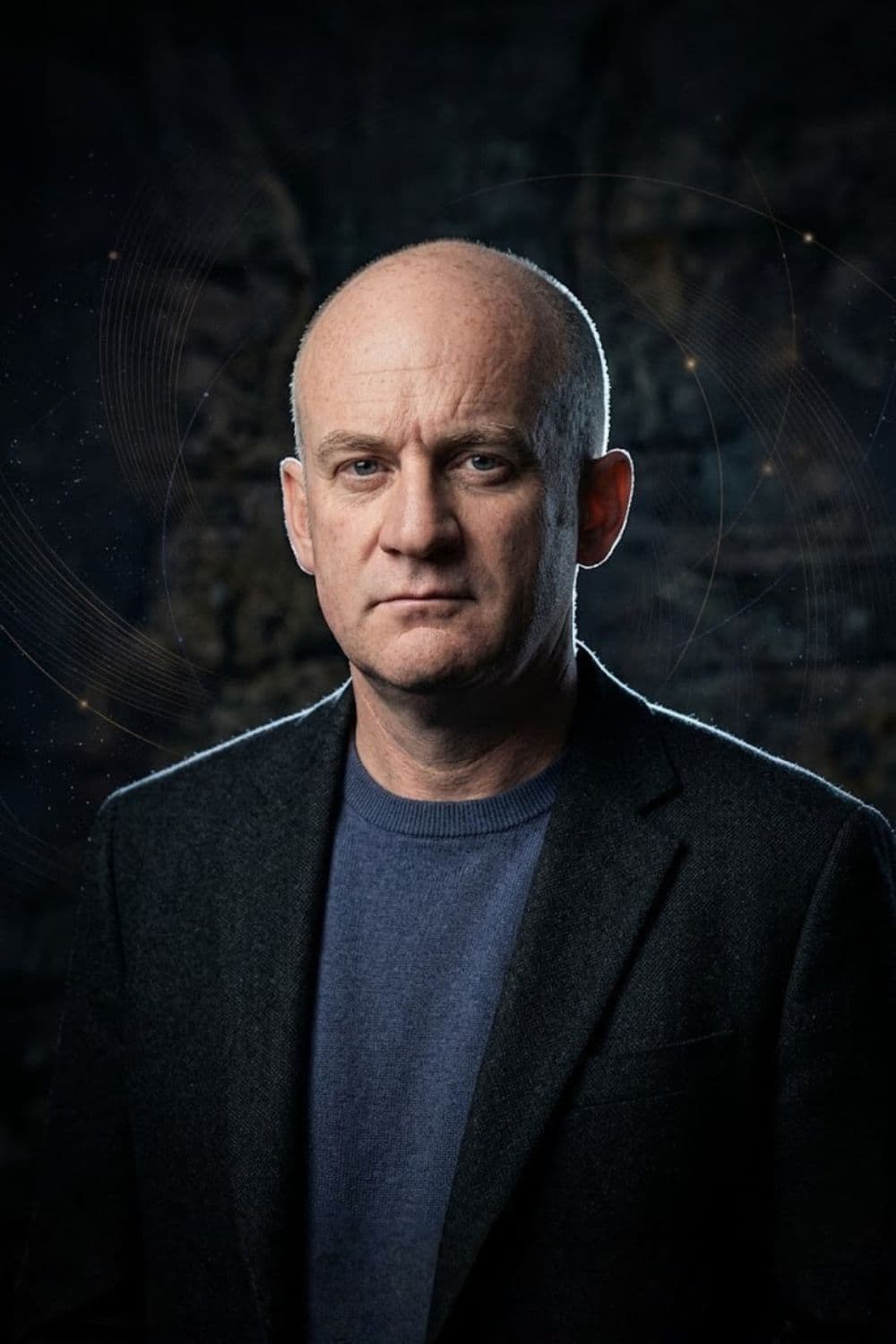
Oliver Burkeman
The pursuit of maximum efficiency guarantees a perpetual state of being rushed. When people optimize their workflows to clear their task lists, they merely invite a faster influx of new demands. This dynamic reveals that the modern concept of time management is a rigged game, creating an illusion that total control is achievable while actively preventing individuals from experiencing the present moment.
A human life spanning roughly four thousand weeks is startlingly brief. Denying this finitude leads to anxiety and a superficial existence as people attempt to keep infinite options open. Acknowledging that one cannot do everything forces the mind to make definitive choices, sacrificing countless possibilities in order to give profound meaning to the few paths actually chosen.
Planning is often utilized as a psychological mechanism to demand certainty from an unpredictable future. People treat their schedules as lassos attempting to rein in reality, but a plan is merely a present moment statement of intent. Surrendering the demand for future certainty transforms anxiety into presence, allowing individuals to respond to the unfolding needs of their actual environment rather than fighting reality.
Time and attention are not merely resources to be spent; they constitute the entirety of human existence. The digital attention economy exploits the human urge to escape the discomfort of limitations by providing endless, easily accessible distractions. True presence requires tolerating the psychological friction of challenging or mundane tasks without immediately seeking the relief of a screen.
Modern culture instrumentalizes leisure, viewing rest solely as a period of recuperation to fuel future work or as an opportunity for self improvement. This framework destroys the intrinsic value of free time. Engaging in atelic activities, which are pursuits done entirely for their own sake with no intended outcome, subverts the compulsive need for future focused productivity and anchors the mind in the joy of the present.
Society socially celebrates speed and views impatience as a marker of ambition. However, attempting to force reality to move at an artificially accelerated pace generates a destructive cycle of frustration. Practicing radical incrementalism and accepting that significant accomplishments require immense time cultivates true originality and deep psychological resilience.
Treating time purely as an individual asset to be hoarded leads to extreme isolation, exemplified by the loneliness of the digital nomad. Time functions as a network good, deriving its highest value from synchronization with a community. Sacrificing a degree of personal schedule sovereignty in exchange for communal rhythms allows deep relationships and shared meaning to flourish.
The egoistic pressure to leave a massive legacy or put a dent in the universe paralyzes people with impossible standards of success. Recognizing human irrelevance on a cosmic timescale acts as a profound psychological relief. This perspective shift liberates individuals to find tremendous meaning in ordinary, unglamorous activities and local connections that they previously devalued.
Since neglecting certain tasks is unavoidable, effective living requires learning to procrastinate deliberately. Nominating specific areas of life in which to intentionally fail frees up the mental bandwidth required to excel in the domains that truly matter. By establishing a fixed volume of tasks and serializing projects, individuals guarantee progress on their highest priorities.