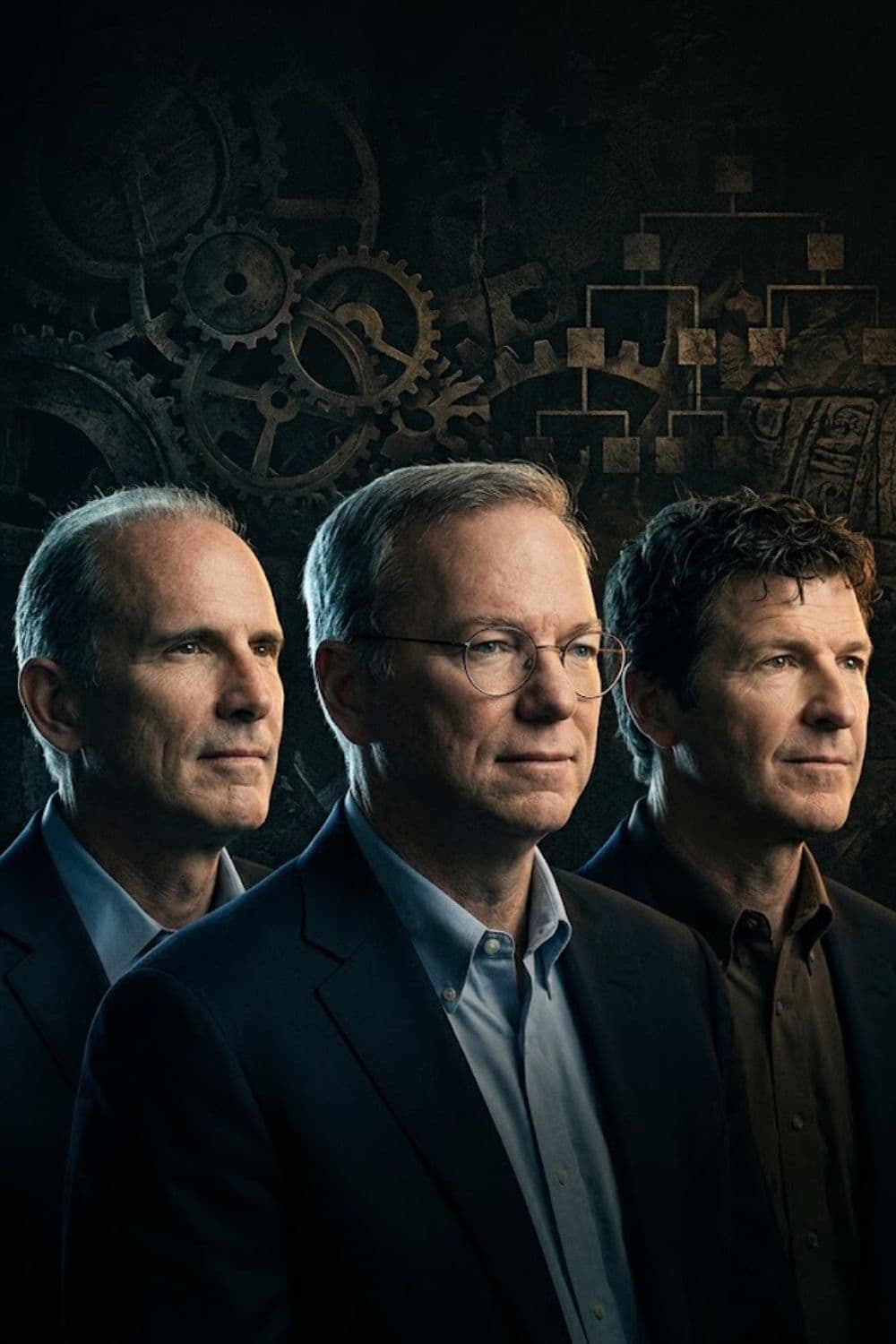
Eric Schmidt, Jonathan Rosenberg, Alan Eagle
Bill Campbell transitioned from coaching college football to becoming an executive advisor for technology leaders. He mentored influential figures at companies like Google and Apple. His core philosophy rested on the idea that high-performing teams determine organizational success. Campbell believed that a business executive must act as a coach because traditional authoritarian management causes talent to leave. A title merely grants managerial status, but true leadership requires earning the respect of the employees.
The ultimate goal of this leadership style is to cultivate environments where people can flourish. Managers achieve this by providing support, respecting individual career goals, and trusting employees to execute their responsibilities without micromanagement.
Effective coaching requires a foundation of trust. Trust allows teams to engage in productive task conflict rather than destructive relationship conflict. Psychological safety emerges when team members know their manager supports their growth and protects them from retaliation. Campbell established this trust through strict confidentiality, keeping his promises, and practicing relentless honesty.
This protective environment empowers employees to bring their full identities to work and take creative risks. Trust reduces the emotional friction during disagreements, allowing groups to navigate complex challenges with greater efficiency.
Mentorship yields the best results when the recipient possesses specific psychological traits. Campbell looked for leaders with humility, honesty, and openness to learning. Individuals who view leadership mainly as a platform for their own ego are less likely to accept constructive feedback.
Coachable leaders understand that their role exists to serve a larger cause. When engaging with these receptive leaders, coaches must practice active listening and ask probing questions rather than issuing direct commands. By guiding employees to find their own solutions, managers instill lasting confidence and competence.
Meetings offer the primary mechanism for a manager to develop their team. Campbell recommended starting team gatherings with personal updates to build rapport before addressing business issues. This practice connects people on a human level and makes them more likely to speak up during critical operational discussions. For personal check-in sessions, managers should utilize a structured framework.
Discussions must consistently cover job performance, relationships with peer groups, team leadership, and innovation strategy. Tackling the most uncomfortable problems immediately is also critical for team success. Leaders must identify the elephant in the room and resolve it quickly to prevent negativity from draining team morale.
Managers must run a decision-making process that ensures all perspectives receive fair consideration. Gathering broad input is essential, but forcing consensus can lead to muddled group thinking. To prevent political infighting, leaders should establish first principles that everyone agrees upon before analyzing the specific problem.
If the team reaches an impasse, the manager must break the tie and make a definitive call. Failing to make a decision paralyzes the organization and stalls team momentum. A leader must make these tough calls with integrity, prioritizing the overarching needs of the company.
When faced with an operational crisis, a leader must first focus on the team dynamics as well as the problem itself. Campbell taught that a capable team is more likely to solve complex issues if they have the right resources and structure.
Leaders should consistently evaluate if the right people are in place and whether they possess a team-first attitude. Identifying brilliant individuals who lack empathy damages the collective effort. To forge strong peer relationships and close communication gaps, managers must actively pair people up on overlapping projects.
Technology companies frequently rely on highly skilled individuals who exhibit disruptive behavior. These aberrant geniuses drive significant product innovation but constantly strain team cohesion.
Managers must tolerate and protect these top performers as long as their behavior does not cross the line into unethical or abusive territory. If an aberrant genius continuously destroys psychological safety and refuses coaching, the manager must remove them from the company to protect the broader organization.
When a company must fire an employee, the leadership must view the situation as a failure of management rather than a failure of the individual. Leaders must handle terminations with generosity and deep respect.
Celebrating the accomplishments of the departing employee preserves their dignity and protects the morale of the remaining staff. Approaching difficult conversations with genuine empathy prevents toxic rumors and maintains the underlying fabric of trust within the organization.
Corporate environments usually discourage the expression of personal emotion. Campbell defied this convention by openly showing affection and greeting colleagues warmly. Expressing genuine care for employees outside of their professional roles significantly increases job satisfaction and loyalty.
Leaders who memorize the names of family members and show up during personal crises create a powerful sense of community. A thriving workplace culture shows that positive human values can generate positive business outcomes.
Jump into the ideas before you finish the whole summary.