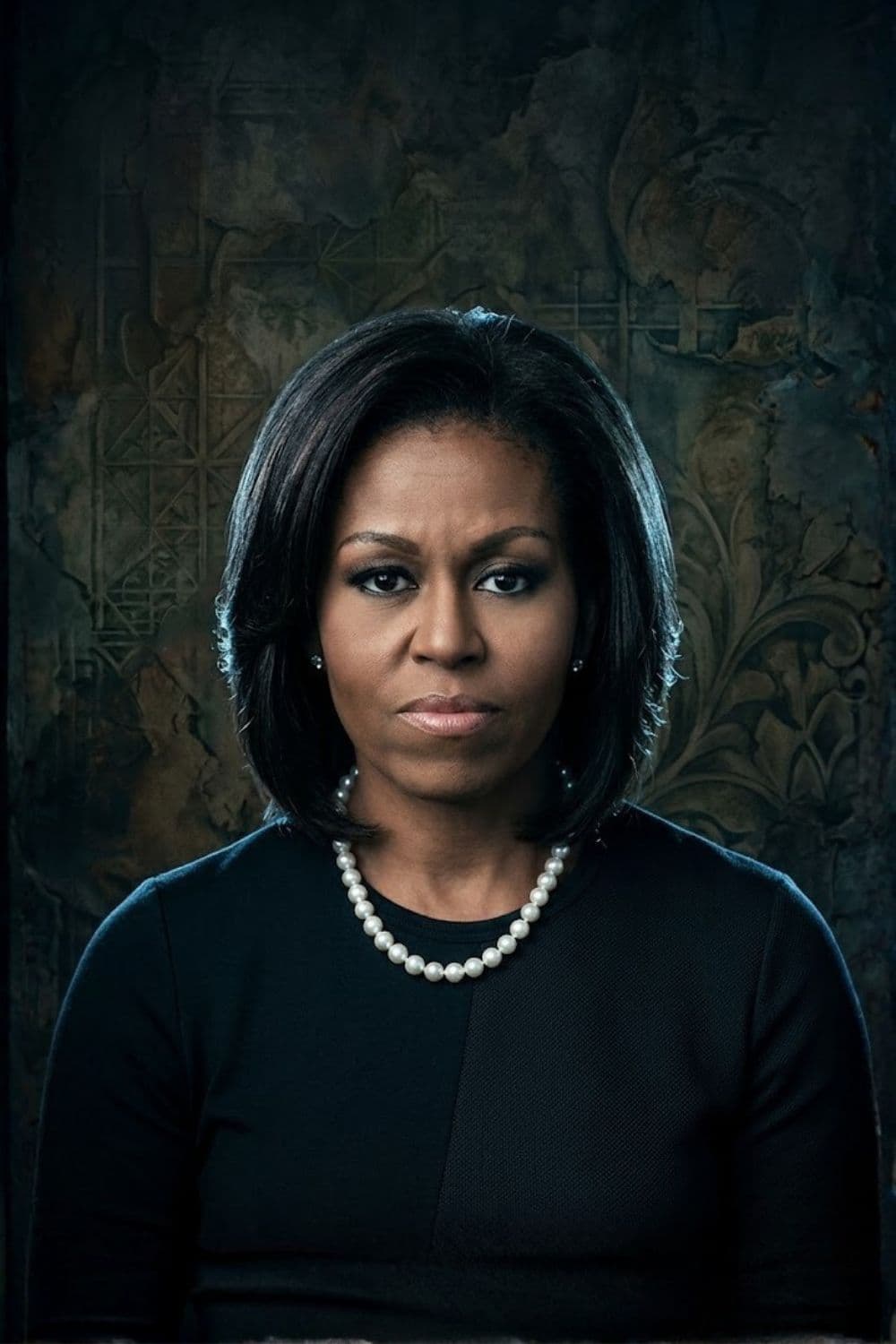
Michelle Obama
Michelle Obama grew up in a working-class household in the South Shore neighborhood of Chicago, where her parents emphasized education, hard work, and personal integrity. Her father modeled resilience by never complaining about his multiple sclerosis, maintaining a positive outlook while continuing to work and serve as a precinct captain. Her mother encouraged agency and independent problem-solving, teaching Michelle to read before kindergarten and treating her questions with adult honesty.
This environment fostered a strong sense of self-worth and a drive to excel academically, directly countering the narrative of failure often associated with economically disadvantaged neighborhoods. Her family's emphasis on proper diction and educational achievement instilled a deep pride in her intellect, proving that early familial investment forms the foundation of lifelong confidence.
Despite her academic achievements at Whitney Young High School, a college counselor explicitly told Michelle she was not Princeton material. This lowered expectation triggered a persistent internal question of whether she was truly good enough to succeed at the highest levels. Instead of internalizing this doubt, Michelle used it as fuel, applying to and successfully entering Princeton University.
There, she faced the stark reality of being a minority woman in a predominantly white, male-dominated environment. She quickly realized that her peers were not inherently smarter but simply possessed more self-confidence rooted in historical and systemic privilege. This realization allowed her to shed her insecurities and assert her presence in spaces where she was heavily marginalized.
After graduating from Harvard Law School, Michelle secured a lucrative position at a prestigious Chicago law firm. She initially operated as a box checker, fulfilling societal expectations of success by aiming for an equity partnership and financial security. She focused entirely on the traditional markers of professional advancement, ignoring her own lack of passion for the work.
The sudden deaths of her father and a close college friend severely destabilized her worldview, forcing her to confront her deep unhappiness in corporate law. Mentored by Barack Obama, whom she initially advised at the firm, she recognized the value of community-driven work. She took a significant pay cut to transition into public service and community outreach, prioritizing purpose over profit.
Michelle harbored a strong distaste for politics and initially resisted Barack's political ambitions, fearing the severe toll it would take on their family life. She ultimately supported his presidential run because she believed deeply in his vision and his unique potential to effect widespread societal change.
The campaign trail exposed her to intense public scrutiny and racist media caricatures that attempted to brand her as an angry and unpatriotic Black woman. She countered these attacks by refining her public speaking, hiring a dedicated campaign team, and grounding her public persona in her authentic personal narrative rather than responding to political smears.
As First Lady, Michelle implemented a servant leadership model that prioritized community needs over top-down political directives. Through her Let's Move! initiative, she tackled childhood obesity by collaborating directly with schools, corporations, and parents to improve nutrition and promote physical activity.
She famously planted a vegetable garden on the South Lawn, using it as an educational tool to highlight the importance of fresh, affordable produce in a society dominated by processed foods. This hands-on approach built immense trust and empowered local communities to take ownership of their health outcomes.
Moving beyond immediate community needs, Michelle utilized transformational leadership to inspire systemic change and individual empowerment. The Reach Higher program aimed to remove institutional barriers to higher education for underprivileged youth by providing mentorship, resources, and critical financial aid guidance.
Similarly, the Let Girls Learn initiative addressed global gender disparities by advocating for girls' access to education worldwide. These programs demonstrated her ability to translate a compelling moral vision into actionable policies that challenged outdated societal norms and uplifted historically marginalized groups.
Throughout her time in the public eye, Michelle faced distinct racial and gender biases that her white predecessors never experienced. Critics constantly scrutinized her physical appearance, language, and intellect, often weaponizing her Blackness to paint her as militant or intimidating.
By maintaining her authenticity and refusing to conform to these reductive stereotypes, she provided a powerful counter-narrative for women of color. Her high visibility and undeniable success at the highest levels of government expanded the definition of representation and challenged the patriarchal frameworks that typically define American leadership.
Understanding that the media obsessively focused on her clothing, Michelle weaponized fashion as a highly effective tool for communication and diplomacy. She deliberately mixed high-end designer pieces with accessible retail brands, signaling relatability and grounding her public image in everyday reality.
By frequently wearing garments created by young, emerging American designers, she used her immense platform to boost their careers. This strategic fashion diplomacy sent clear, intentional messages about diversity, inclusion, and the democratization of the fashion industry.
Raising two daughters in the White House presented the unique challenge of balancing inescapable public duty with the fundamental need for a normal childhood. Michelle fiercely protected Malia and Sasha from media intrusion, declining interviews involving them and setting strict boundaries with the press.
She actively challenged patriarchal family dynamics by insisting that the family's schedule, including dinner times, revolve around the children's needs rather than solely accommodating the President's demanding political calendar. This prioritization ensured her daughters remained grounded despite their extraordinary circumstances.
Despite her working-class roots, Michelle became acutely aware of the immense privilege afforded to her family through their rapid political ascent. She recognized that true privilege involves access to healthcare, education, and physical safety, which are basic human rights denied to many marginalized Americans.
To reconcile this glaring disparity, she dedicated her platform to serving others and creating robust opportunities for those lacking resources. Her advocacy maintained a sharp focus on systemic inequalities, ensuring that her position of power was used to dismantle barriers for veterans, students, and struggling families.
Jump into the ideas before you finish the whole summary.