
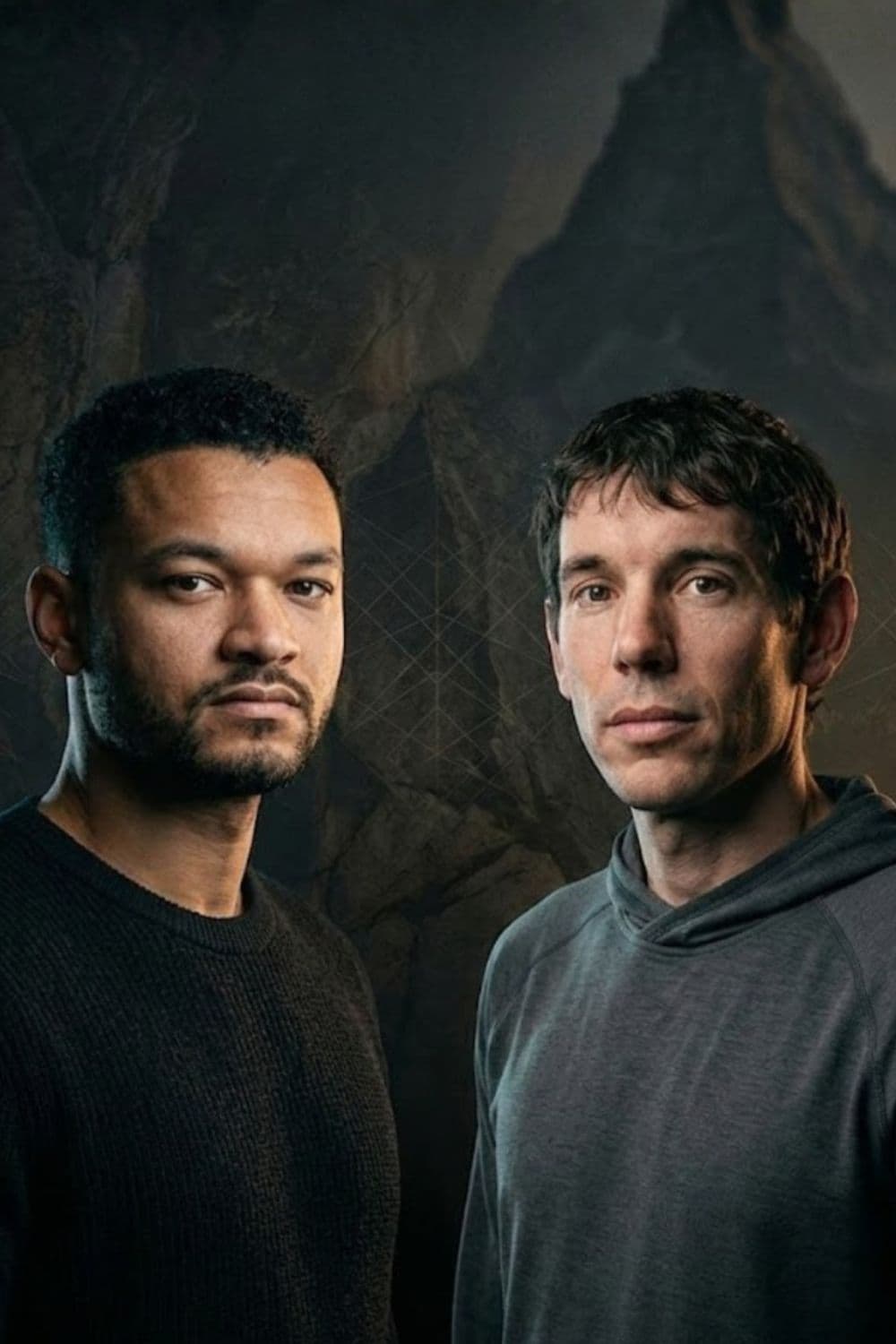
Steven Bartlett with Alex Honnold
The public often attributes Alex Honnold's achievements to a biological anomaly, specifically citing a famous brain scan that showed his amygdala barely registering scary images. This creates a convenient myth that he simply does not experience fear. The reality is far more grounded and instructive. Honnold possesses a fully functioning fear response, but his brain has been fundamentally rewired through decades of relentless exposure therapy. When you spend thirty years systematically confronting terrifying situations, black and white photos of hazards in a laboratory no longer trigger panic. He does not lack fear, rather, he has developed a masterful ability to manage it. This proves that neurological resilience is not an inherent gift but a malleable trait built through deliberate, repeated exposure to discomfort.
Society holds a deeply flawed calculus regarding risk. The average person avoids acute, visible dangers while blindly accepting chronic, unseen risks like sedentary lifestyles or reckless weekend habits. Honnold argues that living a completely guarded life does not prevent death, it merely guarantees an unfulfilled one. People operate under the delusion that they have unlimited time, which breeds complacency. By constantly confronting his own mortality, Honnold strips away societal expectations and focuses strictly on what matters. True intentionality means recognizing that death is the inevitable conclusion for everyone, and actively choosing the calculated risks that make life worth living. You are going to die either way, so you must deliberately curate the risks you take rather than letting fate decide them for you.
When the world watches Honnold scale a skyscraper like Taipei 101 or conquer El Capitan without a rope, they are witnessing the illusion of a magic trick. What remains hidden is the grueling, unglamorous preparation that makes the impossible look effortless. Honnold approaches monolithic challenges not by staring at the intimidating whole, but by surgically dismantling them into hyper-specific, manageable segments. Scaling El Capitan was a ten-year project executed in absolute secrecy, built upon hundreds of incremental practice runs. True mastery requires identifying the micro-skills necessary for a monumental task and practicing them until they become reflexive. Greatness does not emerge from spontaneous leaps of faith. It is the result of applying yourself to the fundamental steps over and over until perfection becomes second nature.
The secret to outlasting the competition is not brute-force discipline, it is an authentic obsession with the craft. For a decade, Honnold lived in a modified van on a few hundred dollars a month, completely unbothered by societal pressures to secure a traditional job. He was optimizing for skill and joy rather than immediate wealth. In any winner-take-all economy, outsized financial rewards only come to those who achieve absolute supremacy in their field. You cannot reach that level of supremacy if the daily grind feels like a chore. By focusing entirely on the process rather than the ultimate payout, you create the conditions to out-persist everyone else. Wealth and recognition are simply the lagging indicators of a life spent relentlessly pursuing what you love.
While physical achievements offer profound personal satisfaction and inspire millions globally, they are inherently intangible. Honnold recognizes that holding up a mirror to human potential is valuable, but it is not a substitute for direct, material impact. This realization drives his commitment to his foundation, where he funnels a third of his income to support community solar projects around the world. Empowering marginalized communities with reliable energy creates immediate, life-altering benefits, from refrigerated medicine to nighttime literacy, while simultaneously protecting the environment. A truly optimized life balances the pursuit of extraordinary personal goals with the pragmatic responsibility of elevating the rest of humanity.