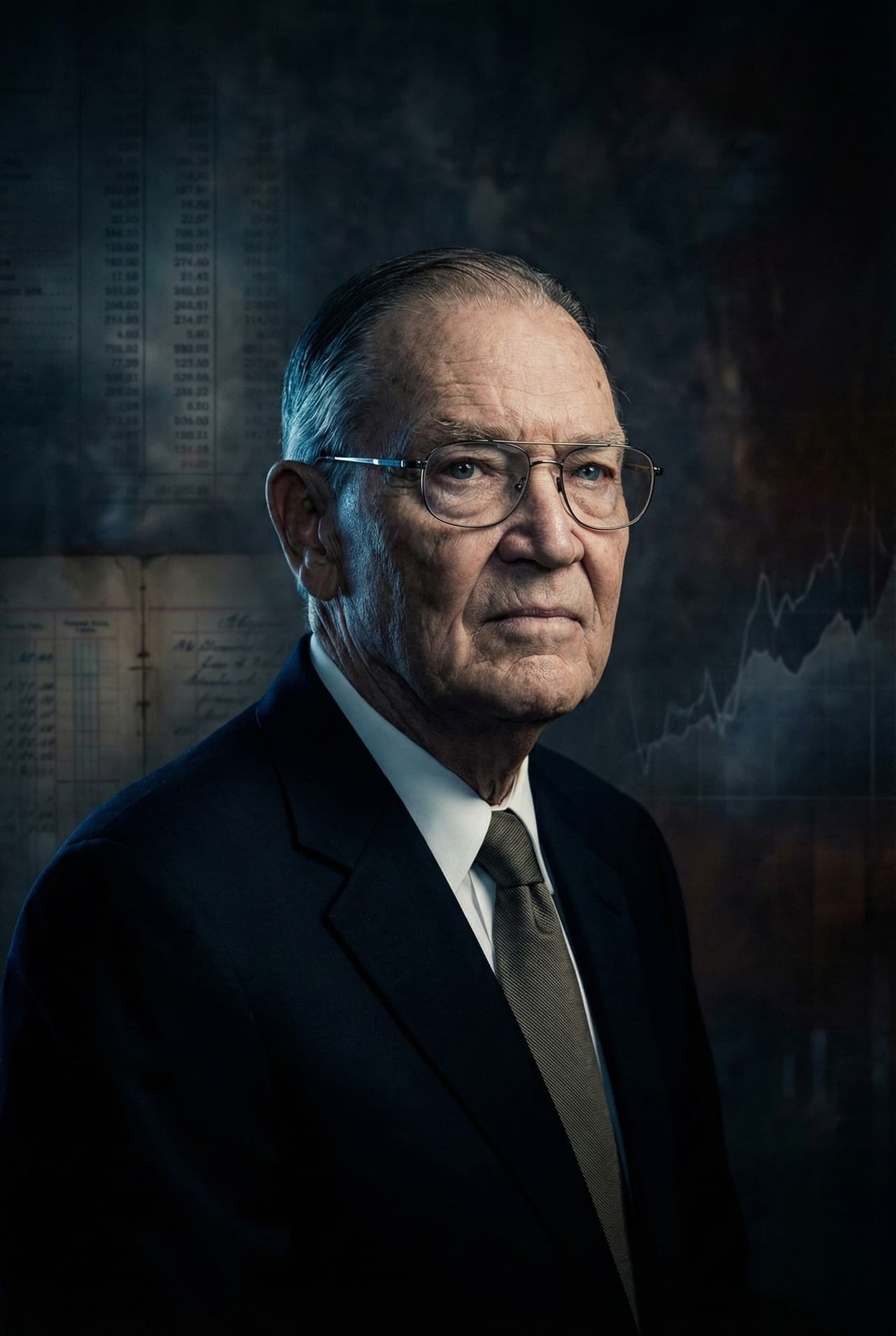

Warren Buffett built one of the most formidable financial empires in history not through complex models, but through relentless compounding, avoiding catastrophe risk, and living by an internal measure of success.
Wall Street has been quietly overtaken by an invisible arms race where high-frequency traders use microscopic speed advantages to outmaneuver traditional investors, sparking a fierce debate over whether the market is rigged.
While Wall Street built a towering machine of toxic debt, a few misfit investors looked at the actual math, bet against the American housing market, and made billions when the global economy collapsed.
Step onto the ruthless 1980s trading floor of Salomon Brothers, where gluttonous bond salesmen played million-dollar bluffing games and helped build the modern, chaotic mortgage bond market using other people's money.
Discover how to identify exceptional growth companies before the market fully prices them in, using a rigorous qualitative checklist and first-hand industry research.
Stop trying to beat the stock market with expensive managers and hot tips. By owning the entire market through low-cost index funds, you can do better than many professional investors over time.
Forget trying to time the market or pick winning stocks. A simple, low-cost index fund strategy historically outperforms the vast majority of highly paid Wall Street professionals over the long run.
Benjamin Graham's classic case for intelligent investing centers on a few durable ideas: distinguish investment from speculation, treat market swings as opportunity rather than instruction, and insist on a margin of safety before you buy.
Financial success is not a hard science governed by math, but a soft skill where your behavior, ego, and relationship with uncertainty matter more than your intelligence.