
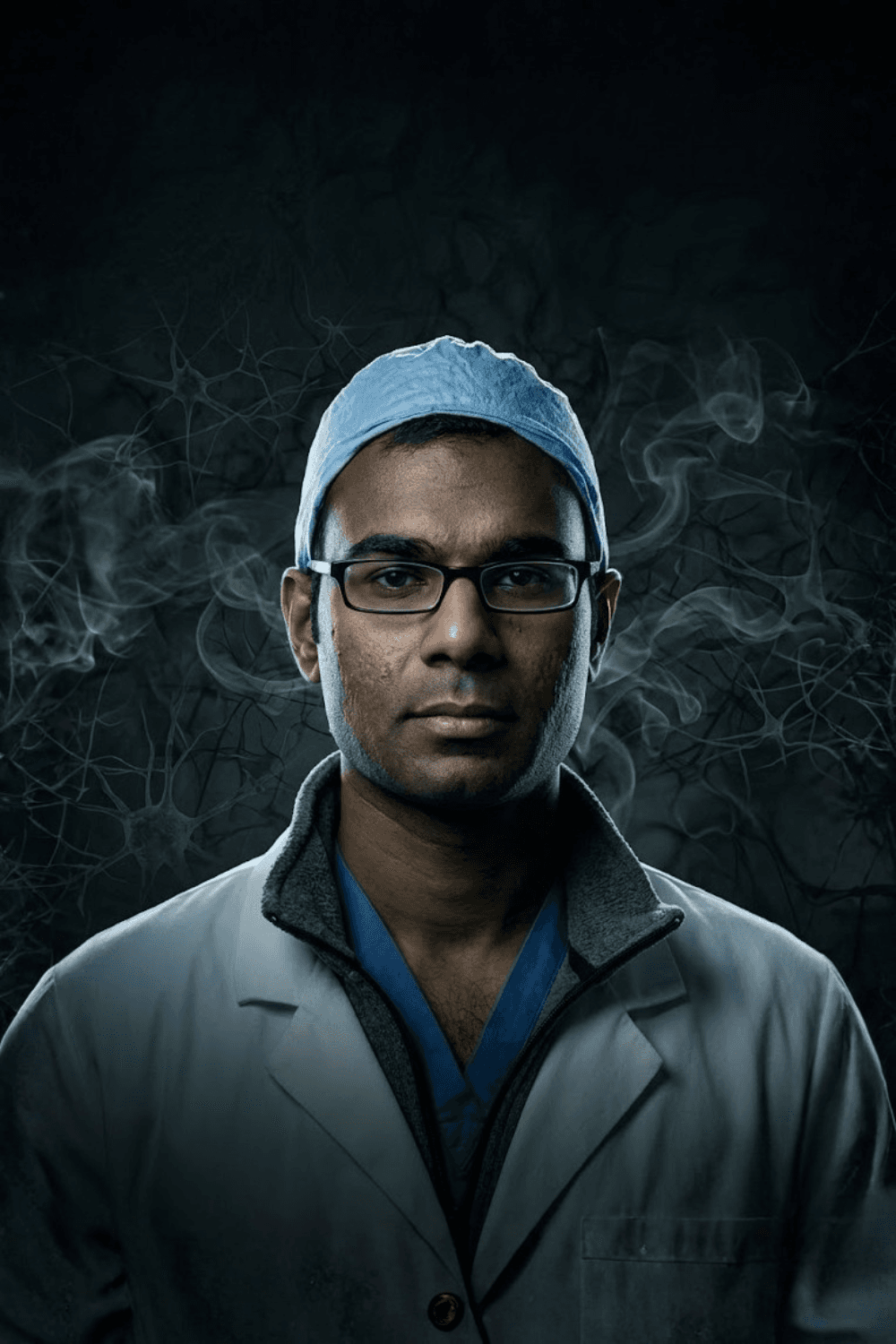
Paul Kalanithi
A brilliant neurosurgeon on the verge of completing a decade of grueling training is diagnosed with terminal cancer, forcing him to confront the profound question of what makes a life worth living.
Illness strips away the roles and future trajectories we use to define ourselves, forcing Kalanithi to rebuild identity around core values rather than around his training, status, or productivity as a surgeon.
Medical science can describe disease and extend life, but it cannot answer the existential question of what makes life worth living once the doctor becomes the patient.
A terminal diagnosis destroys the long timeline that medical training assumes, revealing how psychologically destabilizing it is to live without any clear sense of how much time remains.