
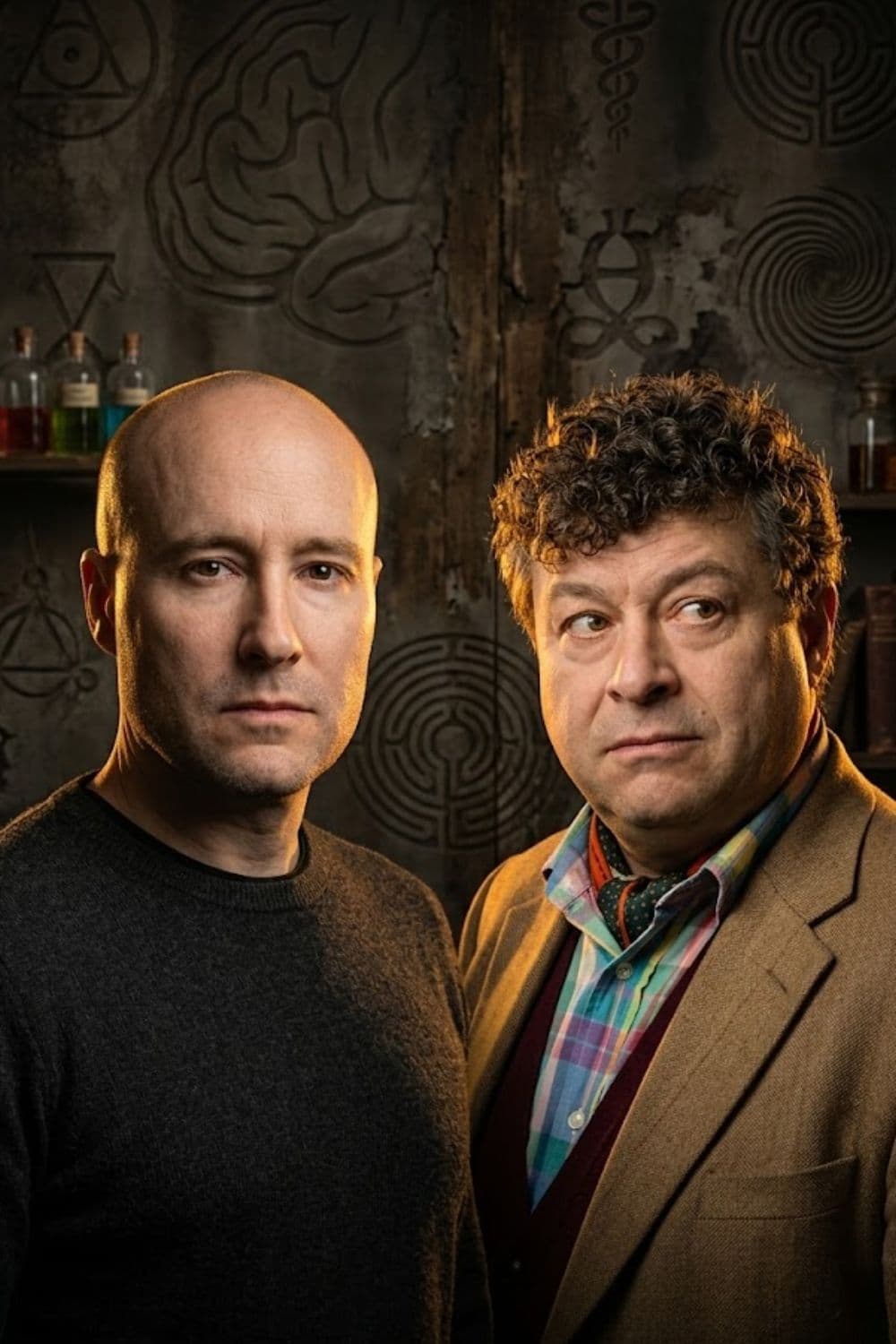
Shane Parrish with Rory Sutherland
Replacing a hotel doorman with a sensor saves a salary. It also removes the person who hails taxis, recognizes guests and makes the entrance feel secure.
The Doorman Fallacy demonstrates that substituting automated systems for human staff often eliminates invisible, high-value contributions like security and hospitality under the guise of cost reduction.
Humans naturally use subjective assessments of personal character and trust as a proxy for complex choices they lack the technical expertise to evaluate.
Public-market incentives can push companies toward short-term, spreadsheet-driven metrics that weaken long-term customer relationships, while founder-led or family-owned businesses can more easily prioritize trust and legacy.